Banks Propose 'Yes-No' Prompts for High-Risk UPI Transfers to Combat Fraud
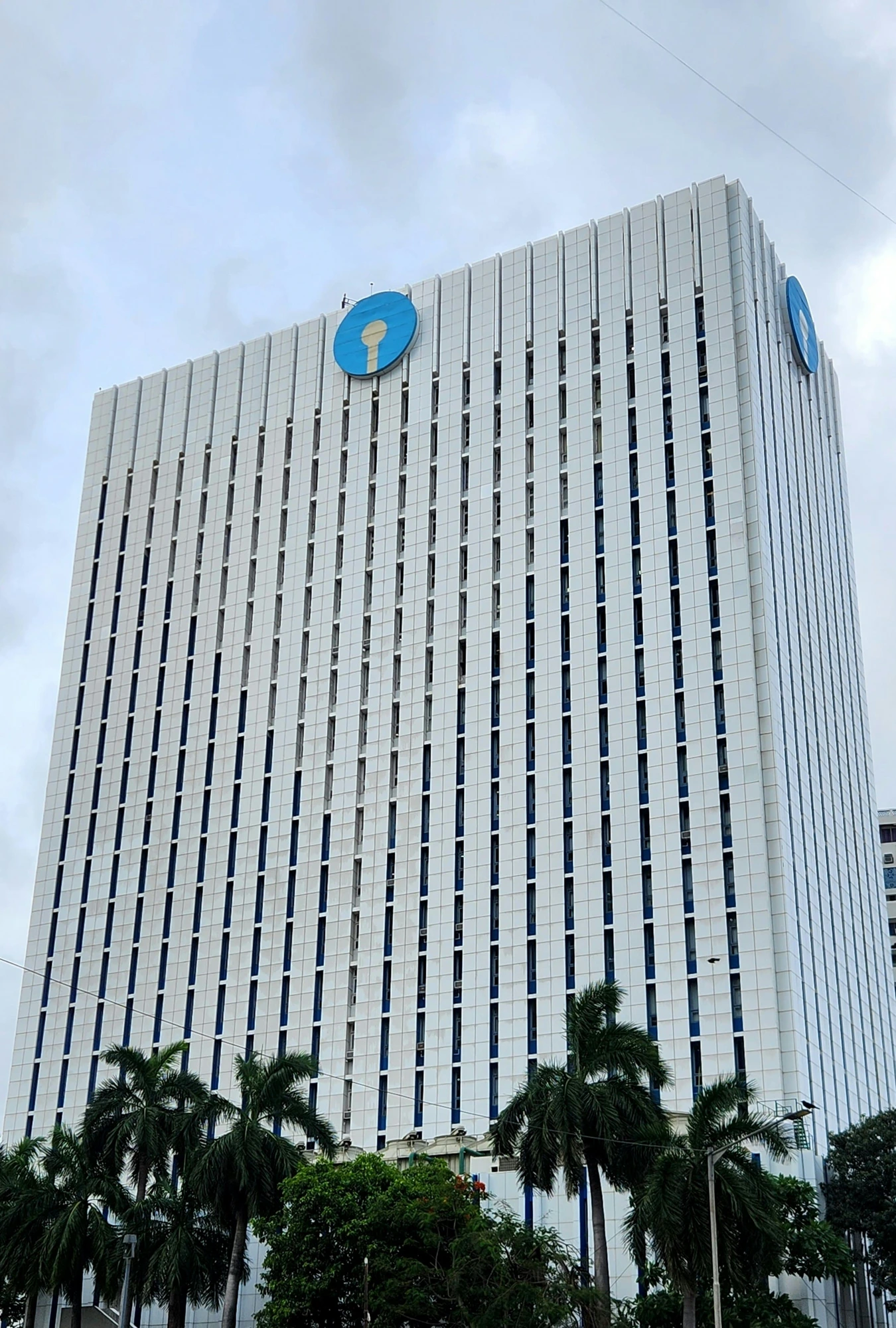
Source: ET Banking
Arth Insight · What this means for your wallet
- Indian banks propose a 'Yes-No' prompt for suspicious UPI transactions to fight fraud.
- This new prompt would only appear for transactions flagged as high-risk, not all payments.
- The Reserve Bank of India (RBI) is reviewing these suggestions for potential new guidelines.
Wealth-Impact Simulator
See how a change in interest rates hits your loan EMI.
Indicative estimate for education only — not investment advice.
Compare loan ratesIndian banks have proposed introducing a 'Yes-No' prompt for suspicious UPI transactions to enhance security against digital payment frauds. The Reserve Bank of India (RBI) is currently evaluating these suggestions as part of developing new guidelines to protect users while maintaining payment convenience.
- ▸Indian banks propose a 'Yes-No' prompt for suspicious UPI transactions to fight fraud.
- ▸This new prompt would only appear for transactions flagged as high-risk, not all payments.
- ▸The Reserve Bank of India (RBI) is reviewing these suggestions for potential new guidelines.
- ▸The aim is to boost user security without reducing the convenience of digital payments.
- ✓Indian banks propose a 'Yes-No' prompt for suspicious UPI transactions to fight fraud.
- ✓This new prompt would only appear for transactions flagged as high-risk, not all payments.
- ✓The Reserve Bank of India (RBI) is reviewing these suggestions for potential new guidelines.
- ✓The aim is to boost user security without reducing the convenience of digital payments.
In a significant move aimed at bolstering the security of digital transactions, Indian banks have put forth a proposal to implement a 'Yes-No' confirmation prompt for Unified Payments Interface (UPI) transfers flagged as potentially high-risk. This initiative, reported by ET Banking, seeks to create an additional layer of defence against the growing menace of digital payment frauds, which have become a concern for millions of Indian retail users.
The core idea behind this proposal is to strike a crucial balance: to protect users from financial losses due to fraud without undermining the ease and speed that have made UPI a cornerstone of India's digital economy. Rather than applying to all transactions above a certain monetary threshold, the suggested prompts would specifically target payments identified as suspicious, indicating a sophisticated approach to fraud prevention.
Why This Proposal Matters Now
India's digital payment ecosystem, spearheaded by UPI, has witnessed exponential growth, transforming how millions conduct daily transactions. This surge in adoption, while beneficial for financial inclusion and convenience, has unfortunately also presented new avenues for fraudsters. Scammers employ various tactics, from phishing links and remote access apps to social engineering, to trick users into authorising fraudulent transactions.
Current security measures, such as PINs and multi-factor authentication, are robust, but often, the human element remains the weakest link. Users, sometimes under duress or deception, may inadvertently authorise transactions to fraudulent accounts. A 'Yes-No' prompt for high-risk transfers aims to introduce a momentary pause, giving the user a final, explicit chance to review and confirm a potentially risky payment, thereby averting fraud.
How the 'Yes-No' Prompt Might Work
- AI-Powered Detection: Banks would likely leverage artificial intelligence (AI) and machine learning (ML) algorithms to identify transactions exhibiting patterns common in fraudulent activities. This could include unusual transaction amounts, frequent transfers to new beneficiaries, or transactions initiated from unfamiliar devices or locations.
- Targeted Intervention: Unlike a blanket security measure, this prompt would not appear for every large transaction. It would only activate when the system detects specific risk indicators for a particular payment.
- User Confirmation: When a transaction is flagged, the payment app (e.g., Google Pay, PhonePe, Paytm, BHIM) would display a clear 'Yes-No' prompt, possibly with a warning message explaining why the transaction is considered high-risk. The user would then need to explicitly choose 'Yes' to proceed or 'No' to cancel.
RBI's Role and Future Outlook
The Reserve Bank of India (RBI), as the central banking authority and primary regulator of the Indian financial system, is currently deliberating on these proposals from commercial banks. The RBI's consideration underscores its commitment to fostering a secure and resilient digital payment landscape. Any new guidelines issued by the RBI would mandate how these prompts are implemented across various banking and payment platforms, ensuring uniformity and effectiveness.
This initiative reflects a broader strategy by financial institutions and regulators to continuously adapt and innovate in the face of evolving cyber threats. By involving users in a more direct confirmation for suspicious activities, banks hope to significantly reduce the success rate of digital payment frauds, ultimately safeguarding the financial well-being of millions of Indian retail customers who rely on UPI for their daily transactions.
While the exact timeline for implementation remains subject to RBI's final guidelines, this proposal highlights a proactive approach by Indian banks to enhance digital security. Users are encouraged to stay informed about such developments and continue practicing safe digital payment habits.
This report is for informational purposes only and does not constitute financial or legal advice.
Community Pulse · This story
How readers rate the outlook after reading this article. Anonymous · one vote per reader · updates live.
Interest rates, fees and eligibility for banking products are set by the respective banks and change frequently — verify the current terms with the provider before applying. Some listings may be sponsored. Not financial advice.
Frequently Asked Questions
What is the 'Yes-No' prompt for UPI transactions?
It's a proposed security feature where your payment app would ask you to explicitly confirm 'Yes' or 'No' for a UPI transfer if it detects the transaction is potentially high-risk for fraud.
Will this prompt appear for all my UPI payments?
No, the proposal suggests it would only appear for transactions that banking systems identify as suspicious or high-risk, using advanced algorithms, not for every payment or all payments above a certain amount.
When can I expect this new security feature to be implemented?
This is currently a proposal from Indian banks that the Reserve Bank of India (RBI) is considering. There is no definite timeline yet, as it depends on the RBI's review and subsequent issuance of new guidelines.
Join the Arth Vani channels
Daily news summaries, IPO & market alerts on Telegram and WhatsApp.
Because you read about Banking
 New LaunchBreaking
Government May Reintroduce UPI Charges for Large Merchant Transactions Over ₹2,000
The Indian government is considering reintroducing Merchant Discount Rate (MDR) for UPI transactions made to large merchants, specifically those exceeding ₹2,000. This move, part of proposed amendments to the Payment and Settlement Systems Act, aims to help banks and fintech firms recover technology and infrastructure investments in the digital payments ecosystem.

BBVA's AI Agents Cut Customer Query Time by Over 15% in Digital Banks
BBVA, a global banking group, has deployed two generative AI assistants in its fully digital banks in Italy and Germany. These AI tools, developed by contact centre staff, have reduced the average time taken to handle common customer enquiries by more than 15%, aiming to improve service efficiency.
Bank-Backed Partior & OpenAssets Trial Shows Instant, Secure Digital Asset Transfers
Global settlement platform Partior, backed by major banks, and digital asset provider OpenAssets have successfully tested a new technology. This trial demonstrated how various digital assets, including regulated stablecoins and tokenised bank deposits, can be exchanged instantly and securely. This innovation could pave the way for faster and safer financial transactions in the future.
Related Stories
New LaunchBreakingGovernment May Reintroduce UPI Charges for Large Merchant Transactions Over ₹2,000
The Indian government is considering reintroducing Merchant Discount Rate (MDR) for UPI transactions made to large merchants, specifically those exceeding ₹2,000. This move, part of proposed amendments to the Payment and Settlement Systems Act, aims to help banks and fintech firms recover technology and infrastructure investments in the digital payments ecosystem.
BBVA's AI Agents Cut Customer Query Time by Over 15% in Digital Banks
BBVA, a global banking group, has deployed two generative AI assistants in its fully digital banks in Italy and Germany. These AI tools, developed by contact centre staff, have reduced the average time taken to handle common customer enquiries by more than 15%, aiming to improve service efficiency.
Bank of America Acquires UK's MDSec Consulting to Bolster Cyber Defenses
Bank of America is set to acquire MDSec Consulting, a UK-based information security specialist. This strategic move aims to significantly enhance the global banking giant's internal cybersecurity capabilities. The acquisition underscores the growing importance banks place on robust in-house defenses against evolving cyber threats.
Bank-Backed Partior & OpenAssets Trial Shows Instant, Secure Digital Asset Transfers
Global settlement platform Partior, backed by major banks, and digital asset provider OpenAssets have successfully tested a new technology. This trial demonstrated how various digital assets, including regulated stablecoins and tokenised bank deposits, can be exchanged instantly and securely. This innovation could pave the way for faster and safer financial transactions in the future.