Kotak Mahindra Bank Secures ₹5,000 Crore ($600M) Overseas Loan from HSBC, CTBC Bank

Source: ET Banking
Arth Insight · What this means for your wallet
- Your money in Indian banks becomes more secure: Increased foreign currency strengthens the overall Indian banking system, making your deposits safer.
- Potential for a more stable Rupee: Higher dollar inflows into India can help stabilize the Rupee, potentially making imported goods and overseas expenses (like travel or education) more predictable.
- No immediate change to your loan or fixed deposit rates: This move primarily addresses foreign currency needs for NRIs, so it won't directly alter the interest rates you receive on your domestic savings or pay on your loans.
Kotak Mahindra Bank is set to raise $600 million (approximately ₹5,000 crore) through an overseas loan from HSBC and CTBC Bank. This strategic move aims to attract foreign currency into India, likely to support Foreign Currency Non-Resident (Bank) deposits, leveraging a special swap facility provided by the Reserve Bank of India.
- ▸Kotak Mahindra Bank is raising $600 million (approximately ₹5,000 crore) from international banks HSBC and CTBC Bank.
- ▸The primary goal is to attract more US dollars into India's banking system, enhancing foreign currency liquidity.
- ▸These funds will likely support Foreign Currency Non-Resident (Bank) deposits, often made by NRIs.
- ▸The move is facilitated by a special swap facility from the Reserve Bank of India, indicating regulatory support.
- ✓Kotak Mahindra Bank is raising $600 million (approximately ₹5,000 crore) from international banks HSBC and CTBC Bank.
- ✓The primary goal is to attract more US dollars into India's banking system, enhancing foreign currency liquidity.
- ✓These funds will likely support Foreign Currency Non-Resident (Bank) deposits, often made by NRIs.
- ✓The move is facilitated by a special swap facility from the Reserve Bank of India, indicating regulatory support.
Kotak Mahindra Bank is actively working to secure a substantial $600 million (approximately ₹5,000 crore) overseas loan from international lenders HSBC and CTBC Bank. This fundraising initiative is part of a broader strategy by Indian banks to bolster their foreign currency reserves within the country.
The primary objective behind securing these foreign currency facilities is to attract more US dollars into India. These funds are anticipated to play a crucial role in supporting overseas clients, particularly Non-Resident Indians (NRIs), who wish to make Foreign Currency Non-Resident (Bank) or FCNR (B) deposits.
FCNR (B) deposits are fixed deposits held by NRIs in foreign currencies like USD, GBP, or EUR. They are popular as they allow NRIs to avoid currency conversion risks, making their investments stable in their preferred foreign currency. By bringing in more foreign currency, banks can better cater to the demand for these deposits, offering competitive rates and ensuring liquidity.
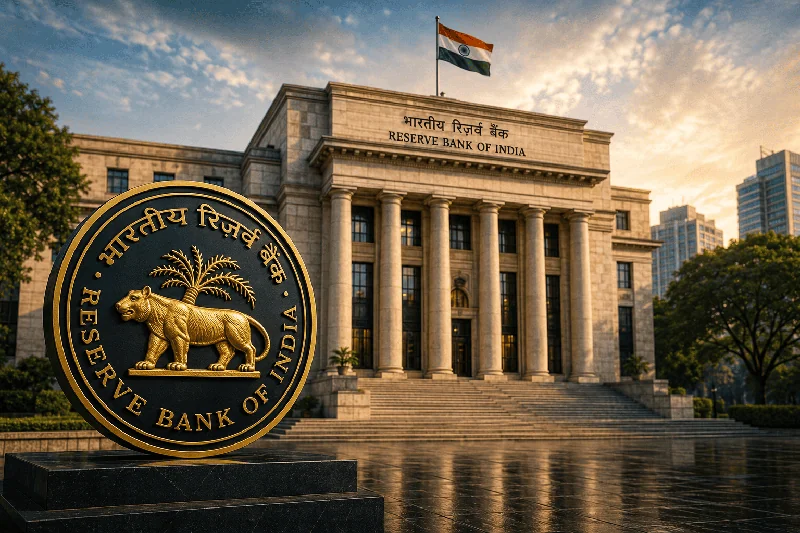
Adding to the strategic importance of this move, Kotak Mahindra Bank is leveraging a special swap facility offered by the Reserve Bank of India (RBI). This mechanism makes it more attractive and financially viable for Indian banks to borrow foreign currency from international markets and bring it into the domestic financial system. The RBI's support underscores the importance of these initiatives for the overall liquidity and stability of India's banking sector.
Broader Trend Among Indian Banks
This development with Kotak Mahindra Bank is not an isolated incident but rather reflects a growing trend among Indian financial institutions. Recently, Bank of India also successfully secured a similar amount, $600 million, through a dual-tranche term loan from overseas markets. These concerted efforts by multiple banks highlight a systemic drive to enhance dollar liquidity in the Indian economy.
For Indian retail readers, while these large-scale overseas loans don't directly impact daily transactions, they signify the health and proactive measures taken by banks to maintain robust financial operations. Increased dollar inflows contribute to the overall stability of the banking system and support various international financial transactions, indirectly benefiting the broader economy.
This report is for informational purposes only and not financial advice.
Interest rates, fees and eligibility for banking products are set by the respective banks and change frequently — verify the current terms with the provider before applying. Some listings may be sponsored. Not financial advice.
Frequently Asked Questions
Why are Indian banks taking overseas loans?
Indian banks, including Kotak Mahindra Bank, are securing overseas loans primarily to attract more US dollars and other foreign currencies into India. This helps them meet various financial needs, especially to support foreign currency non-resident deposits (FCNR B) made by NRIs.
What is an FCNR (B) deposit?
FCNR (B) stands for Foreign Currency Non-Resident (Bank) deposits. These are fixed deposits held by Non-Resident Indians (NRIs) in foreign currencies like US Dollars, British Pounds, or Euros, allowing them to avoid currency conversion risks when investing their foreign earnings.
How does the Reserve Bank of India (RBI) support these foreign loans?
The Reserve Bank of India provides a special swap facility. This facility makes it more attractive and financially viable for Indian banks to borrow foreign currency from international markets and channel it into India, bolstering the country's foreign currency reserves.
Join the Arth Vani channels
Daily news summaries, IPO & market alerts on Telegram and WhatsApp.
Because you read about Banking
 New LaunchBreaking
Mastercard Launches AI Assistant to Help Cardholders Maximize Benefits
Mastercard has introduced a new AI-powered benefits assistant designed to help credit cardholders better understand and utilize the various perks and rewards associated with their cards. This initiative aims to address the common problem of valuable card benefits going unused due to lack of awareness or difficulty in accessing information. The assistant will offer personalized guidance, enabling users to get the most value from their credit card offerings.
 Breaking
RBI Boosts Oversight on $1 Billion-Plus Overseas Investments Amid Rupee Pressure
The Reserve Bank of India (RBI) has intensified its scrutiny on overseas investments exceeding $1 billion made by Indian entities. This measure aims to address the prevailing pressure on the Indian rupee and manage the nation's foreign exchange dynamics.
 Breaking
Alleged SBI Data Breach: Hackers Claim Access to 3.75 Lakh Customer Accounts
An alleged data breach at State Bank of India (SBI) is under scrutiny, with hackers claiming to have accessed data from 3.75 lakh customer accounts. While the claims are currently unverified, experts warn that if proven true, the exposed information could lead to serious financial fraud and identity theft for affected individuals. Customers are advised to remain vigilant regarding their bank accounts and personal information.
Related Stories
 New LaunchBreaking
Mastercard Launches AI Assistant to Help Cardholders Maximize Benefits
Mastercard has introduced a new AI-powered benefits assistant designed to help credit cardholders better understand and utilize the various perks and rewards associated with their cards. This initiative aims to address the common problem of valuable card benefits going unused due to lack of awareness or difficulty in accessing information. The assistant will offer personalized guidance, enabling users to get the most value from their credit card offerings.
 Breaking
RBI Boosts Oversight on $1 Billion-Plus Overseas Investments Amid Rupee Pressure
The Reserve Bank of India (RBI) has intensified its scrutiny on overseas investments exceeding $1 billion made by Indian entities. This measure aims to address the prevailing pressure on the Indian rupee and manage the nation's foreign exchange dynamics.
 Breaking
Alleged SBI Data Breach: Hackers Claim Access to 3.75 Lakh Customer Accounts
An alleged data breach at State Bank of India (SBI) is under scrutiny, with hackers claiming to have accessed data from 3.75 lakh customer accounts. While the claims are currently unverified, experts warn that if proven true, the exposed information could lead to serious financial fraud and identity theft for affected individuals. Customers are advised to remain vigilant regarding their bank accounts and personal information.
 Breaking
Yes Bank Evaluating Capital Actions and AT1 Bond Reinstatement for Growth Plans
Yes Bank is considering various capital actions to fund its growth initiatives. This includes an assessment of reinstating certain bonds and paying their coupons, as confirmed by CFO Niranjan Banodkar after the bank's recent earnings call.