Government Bond Prices Rise as Global Oil Prices Slide on Iran Peace Hopes

Source: Economictimes
Arth Insight · What this means for your wallet
- Lower inflation expectations could lead to cheaper loans (home, auto) in the future.
- Falling oil prices help keep the cost of everyday essentials like transport and cooking gas down.
- Potential for increased foreign investment might strengthen the Indian Rupee, making imports cheaper.
Indian government bonds gained value on Friday as a sharp drop in international crude oil prices raised hopes for lower domestic inflation. While global factors provided a boost, domestic fiscal concerns prevented a larger rally in the debt market.
- ▸Government bond prices rose as global crude oil prices crashed on hopes of an Iran peace deal.
- ▸The yield on the benchmark 2036 note hit its lowest level since issuance, signaling lower future interest rate expectations.
- ▸Falling oil prices are good news for India's inflation management, potentially leading to cheaper loans for consumers in the long run.
- ▸Domestic fiscal concerns and government spending levels limited the total gains in the bond market.
- ✓Government bond prices rose as global crude oil prices crashed on hopes of an Iran peace deal.
- ✓The yield on the benchmark 2036 note hit its lowest level since issuance, signaling lower future interest rate expectations.
- ✓Falling oil prices are good news for India's inflation management, potentially leading to cheaper loans for consumers in the long run.
- ✓Domestic fiscal concerns and government spending levels limited the total gains in the bond market.
Indian government bonds witnessed a notable rally on Friday, as cooling international crude oil prices improved market sentiment. Investors flocked to sovereign debt following reports of a potential breakthrough in diplomatic talks with Iran, which could lead to increased global supply and lower energy costs.
Oil Prices Drive Bond Market Optimitude
For the Indian economy, crude oil prices are a critical driver of inflation and fiscal health. Since India imports over 80% of its oil requirements, any significant drop in global prices reduces the cost of imports and helps keep retail inflation in check. Lower inflation expectations generally lead to higher bond prices and lower yields.
Market participants reacted positively to the prospect of an Iran peace deal, which triggered a sell-off in the oil markets. This shift provided much-needed relief to the domestic bond market, allowing the benchmark 2036 government security to see its yield fall to the lowest level since it was first issued.
Balancing Global Gains with Domestic Concerns
Despite the positive momentum from global energy markets, the rally in Indian bonds faced some resistance. Domestic fiscal worries—specifically concerns regarding government borrowing and budgetary targets—acted as a ceiling for the price gains. Investors remain cautious about the long-term fiscal path even as short-term global cues remain favorable.
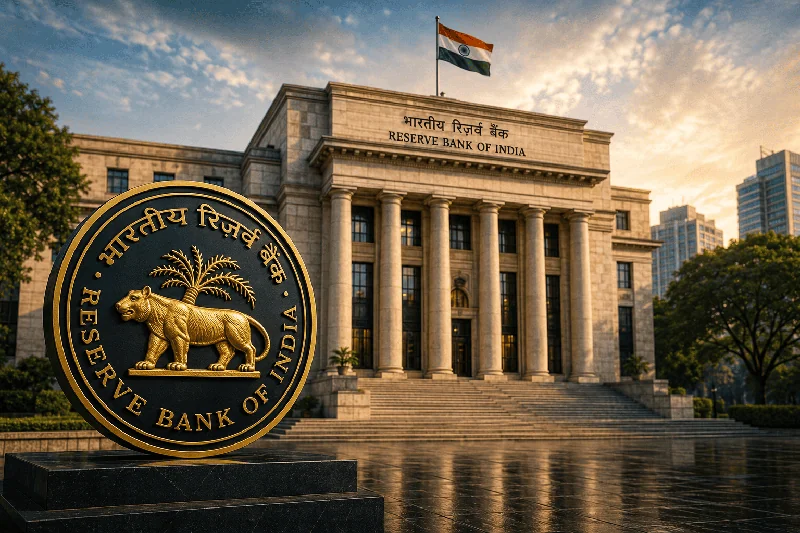
Furthermore, the market is closely monitoring the Reserve Bank of India (RBI). The central bank has been exploring various measures to make Indian debt more attractive to foreign investors, including potential inclusions in global bond indices. Increased foreign participation is seen as a key factor that could provide stability to the Indian Rupee and lower borrowing costs for the government.
What This Means for Retail Investors
While bond market movements may seem technical, they have a direct impact on the everyday consumer. A sustained rise in bond prices (and a fall in yields) signals that the market expects inflation to cool down. If this trend continues, it paves the way for the RBI to eventually consider lowering interest rates, which would result in cheaper home and auto loans for retail borrowers.
- Lower Yields: Indicate cheaper borrowing costs for the government and eventually for corporations.
- Inflation Hedge: Falling oil prices act as a natural cushion against rising prices of essential goods in India.
- Foreign Inflow: New RBI policies could bring in more global capital, strengthening the broader financial ecosystem.
Investment in debt securities involves risks; please consult a financial advisor as past performance and market trends do not guarantee future results.
Bond / FD returns and credit ratings are indicative and subject to issuer credit risk and interest-rate risk. Verify current terms with the issuer. Some listings may be sponsored. Not investment advice.
Join the Arth Vani channels
Daily news summaries, IPO & market alerts on Telegram and WhatsApp.
Because you read about Bonds
 Breaking
India's 10-Year G-Sec Yield Surges to 7.179%, Nears 2-Year High
India's benchmark 10-year government bond yield has jumped to 7.179%, reaching its highest level in nearly two years. This surge is primarily driven by rising global crude oil prices, which hit $107 per barrel, fueling inflation concerns and prompting investors to demand higher returns.
 New LaunchBreaking
Post Office Time Deposit: Key Rules to Know Before October Interest Rate Revision
The Indian government is set to review interest rates for Small Savings Schemes, including Post Office Time Deposits, for the October-December 2024 quarter. Currently, these deposits offer up to 7.5% interest, making them a popular low-risk investment for retail savers.

Trump Projects Oil Price Decline Amid US-Iran Stance
Former US President Donald Trump has reportedly stated that the United States will prevail in its dealings with Iran, a development he believes will lead to a fall in global oil prices. This brief statement suggests a potential link between geopolitical stability and crude oil markets, with implications for oil-importing nations like India.
Related Stories
 Breaking
India's 10-Year G-Sec Yield Surges to 7.179%, Nears 2-Year High
India's benchmark 10-year government bond yield has jumped to 7.179%, reaching its highest level in nearly two years. This surge is primarily driven by rising global crude oil prices, which hit $107 per barrel, fueling inflation concerns and prompting investors to demand higher returns.
 New LaunchBreaking
Post Office Time Deposit: Key Rules to Know Before October Interest Rate Revision
The Indian government is set to review interest rates for Small Savings Schemes, including Post Office Time Deposits, for the October-December 2024 quarter. Currently, these deposits offer up to 7.5% interest, making them a popular low-risk investment for retail savers.

Trump Projects Oil Price Decline Amid US-Iran Stance
Former US President Donald Trump has reportedly stated that the United States will prevail in its dealings with Iran, a development he believes will lead to a fall in global oil prices. This brief statement suggests a potential link between geopolitical stability and crude oil markets, with implications for oil-importing nations like India.
 Breaking
Central Government to Borrow ₹7.9 Lakh Crore in Second Half FY24
The Indian central government plans to borrow nearly ₹7.9 lakh crore between October 2023 and March 2024 to fund its expenditures and manage the fiscal deficit. This significant borrowing program is executed through the issuance of government securities (G-secs), which influences bond markets and broader interest rates.