Indian Debt Market Set for ₹2.1 Lakh Crore Boost on Global Index Inclusion

Source: Economictimes
Arth Insight · What this means for your wallet
- India expects up to $25 billion in foreign debt inflows over the next two years due to global index inclusion.
- Increased demand for Indian bonds likely leads to lower yields, which can increase the value of debt mutual funds.
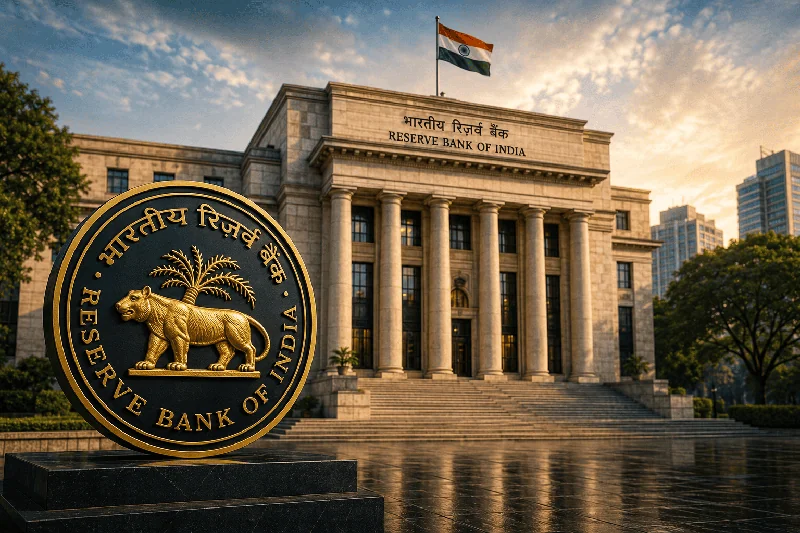
- Regulatory easing by the RBI is making it easier for global investors to buy Indian government securities.
India's bond market is bracing for a significant capital infusion as regulatory reforms and global index inclusion take effect. Experts predict up to $25 billion in new foreign investment, which could lower borrowing costs for the government and corporates alike.
- ▸India expects up to $25 billion in foreign debt inflows over the next two years due to global index inclusion.
- ▸Increased demand for Indian bonds likely leads to lower yields, which can increase the value of debt mutual funds.
- ▸Regulatory easing by the RBI is making it easier for global investors to buy Indian government securities.
- ▸Higher foreign investment could eventually lead to lower interest rates for corporate and retail borrowers.
- ✓India expects up to $25 billion in foreign debt inflows over the next two years due to global index inclusion.
- ✓Increased demand for Indian bonds likely leads to lower yields, which can increase the value of debt mutual funds.
- ✓Regulatory easing by the RBI is making it easier for global investors to buy Indian government securities.
- ✓Higher foreign investment could eventually lead to lower interest rates for corporate and retail borrowers.
Foreign Capital Inflow to Strengthen Indian Bonds
The Indian debt market is on the verge of a major transformation. According to Dhawal Dalal, President & CIO of Fixed Income at Edelweiss Mutual Fund, a strategic combination of regulatory reforms by the Reserve Bank of India (RBI) and the inclusion of Indian bonds in global indices could unlock incremental inflows ranging between $20 billion and $25 billion (approximately ₹1.65 lakh crore to ₹2.1 lakh crore) over the next 12 to 24 months.
This surge in foreign portfolio investment (FPI) is expected to act as a catalyst for the domestic financial ecosystem. As global funds increase their holdings of Indian government securities, the increased demand is likely to stabilize bond yields, creating a more favorable environment for long-term investors.
Why This Matters for Retail Investors
For the average Indian retail investor, these global developments have direct implications for debt mutual funds and personal finance. When foreign capital flows into the bond market, it typically leads to a decrease in interest rates or 'yields.' In the world of bonds, when yields fall, the prices of existing bonds rise. This inverse relationship means that investors currently holding long-duration debt funds could see a boost in their portfolio returns.
Lower Borrowing Costs on the Horizon
The impact extends beyond mutual fund returns. As the government finds it easier to fund its deficit through foreign capital, the 'crowding out' effect on the private sector diminishes. This could lead to:
- Cheaper Corporate Loans: Lower sovereign yields often serve as a benchmark for corporate lending rates.
- Market Stability: Diversifying the investor base to include global players reduces the market's reliance on domestic banks.
- Currency Support: Significant dollar inflows can help provide a cushion to the Indian Rupee against global volatility.
Regulatory Reforms Paving the Way
The anticipated inflows are not accidental. Recent efforts by the RBI to ease investment norms for foreign investors have made the Indian market more accessible. By streamlining the entry process and increasing the limits for Fully Accessible Route (FAR) bonds, the central bank has aligned domestic debt markets with international standards, making India an attractive destination for global emerging market funds.
While the timeline for these inflows spans the next two years, the structural shift suggests a maturing debt market that offers both stability and growth potential for domestic participants.
Investment in debt markets and mutual funds are subject to market risks; read all scheme related documents carefully and consult a financial advisor before investing.
Bond / FD returns and credit ratings are indicative and subject to issuer credit risk and interest-rate risk. Verify current terms with the issuer. Some listings may be sponsored. Not investment advice.
Join the Arth Vani channels
Daily news summaries, IPO & market alerts on Telegram and WhatsApp.
Because you read about Bonds
 Breaking
Rising US Bond Yields: How They Impact Your Indian SIPs, Gold, and Rupee
A rise in US bond yields often triggers a ripple effect globally, influencing foreign investment flows, the Indian rupee's value, gold prices, and returns from equity mutual funds (SIPs). Understanding this dynamic is crucial for Indian investors to make informed decisions about their portfolios amidst global economic shifts.
 Breaking
India's 10-Year G-Sec Yield Surges to 7.179%, Nears 2-Year High
India's benchmark 10-year government bond yield has jumped to 7.179%, reaching its highest level in nearly two years. This surge is primarily driven by rising global crude oil prices, which hit $107 per barrel, fueling inflation concerns and prompting investors to demand higher returns.
 New LaunchBreaking
Post Office Time Deposit: Key Rules to Know Before October Interest Rate Revision
The Indian government is set to review interest rates for Small Savings Schemes, including Post Office Time Deposits, for the October-December 2024 quarter. Currently, these deposits offer up to 7.5% interest, making them a popular low-risk investment for retail savers.
Related Stories
 Breaking
Rising US Bond Yields: How They Impact Your Indian SIPs, Gold, and Rupee
A rise in US bond yields often triggers a ripple effect globally, influencing foreign investment flows, the Indian rupee's value, gold prices, and returns from equity mutual funds (SIPs). Understanding this dynamic is crucial for Indian investors to make informed decisions about their portfolios amidst global economic shifts.
 Breaking
India's 10-Year G-Sec Yield Surges to 7.179%, Nears 2-Year High
India's benchmark 10-year government bond yield has jumped to 7.179%, reaching its highest level in nearly two years. This surge is primarily driven by rising global crude oil prices, which hit $107 per barrel, fueling inflation concerns and prompting investors to demand higher returns.
 New LaunchBreaking
Post Office Time Deposit: Key Rules to Know Before October Interest Rate Revision
The Indian government is set to review interest rates for Small Savings Schemes, including Post Office Time Deposits, for the October-December 2024 quarter. Currently, these deposits offer up to 7.5% interest, making them a popular low-risk investment for retail savers.

Trump Projects Oil Price Decline Amid US-Iran Stance
Former US President Donald Trump has reportedly stated that the United States will prevail in its dealings with Iran, a development he believes will lead to a fall in global oil prices. This brief statement suggests a potential link between geopolitical stability and crude oil markets, with implications for oil-importing nations like India.