
Source: GNews Bonds
Arth Insight · What this means for your wallet
- State governments can better manage their debt, leading to more stable funding for essential public services like infrastructure, healthcare, and education.
- Smoother government borrowing indirectly contributes to a more predictable interest rate environment, which can influence rates on your future loans and savings instruments like FDs.
- This operation signals healthy liquidity in the financial system and stable state finances, fostering overall economic confidence that benefits businesses and job markets.
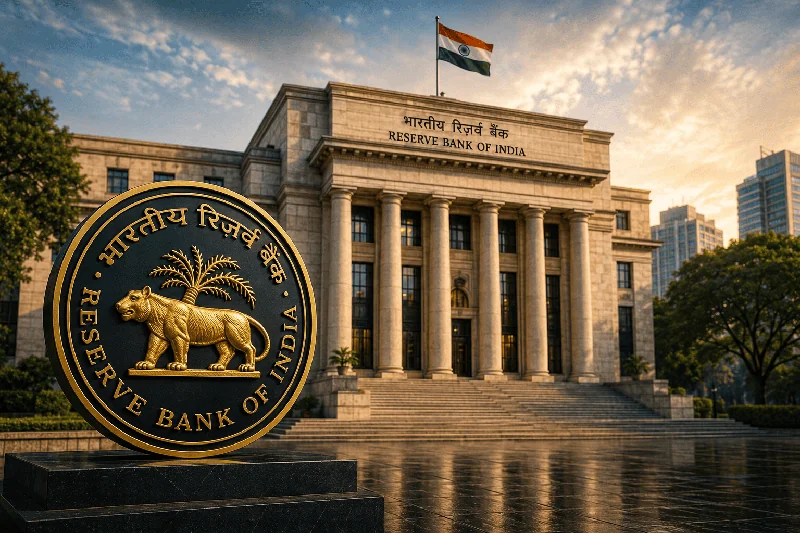
The Reserve Bank of India (RBI) recently accepted bids worth ₹8,002.80 crore in a state government bond switch auction. This operation allows state governments to exchange shorter-maturity bonds for longer-maturity ones, helping them manage their debt repayments more efficiently.
- ▸RBI accepted ₹8,002.80 crore in a state bond switch auction.
- ▸This auction helps state governments exchange short-term bonds for long-term ones, easing immediate debt repayment pressure.
- ▸The operation aids states in managing their debt profiles and improves their financial planning.
- ▸RBI facilitates these switches as part of its role in managing government debt and ensuring market stability.
- ✓RBI accepted ₹8,002.80 crore in a state bond switch auction.
- ✓This auction helps state governments exchange short-term bonds for long-term ones, easing immediate debt repayment pressure.
- ✓The operation aids states in managing their debt profiles and improves their financial planning.
- ✓RBI facilitates these switches as part of its role in managing government debt and ensuring market stability.
The Reserve Bank of India (RBI) has successfully conducted a state bond switch auction, accepting proposals amounting to ₹8,002.80 crore. This financial operation is a crucial tool used by the central bank to assist state governments in managing their debt profiles effectively.
Understanding Bond Switch Auctions
A bond switch auction is a mechanism where the RBI, on behalf of state governments, essentially buys back existing bonds that are nearing their maturity dates and issues new bonds with longer maturities. The primary goal for states participating in such auctions is to reprofile their debt, meaning they extend the repayment period for a portion of their borrowings. Instead of facing a large repayment obligation in the near future, they can convert it into a smaller, staggered repayment over a longer horizon.
Why States Opt for Bond Switches
For state governments, managing public debt is a continuous challenge. Economic cycles, revenue fluctuations, and developmental expenditure demands all impact their financial health. By participating in bond switch auctions, states can achieve several benefits:
- Reduced Redemption Pressure: It eases the immediate burden of repaying maturing debt, freeing up funds for other critical expenditures.
- Improved Cash Flow Management: Spreading out debt repayments over a longer period helps states plan their budgets and cash flows more predictably.
- Lower Refinancing Risk: It reduces the risk of having to refinance a large chunk of debt at potentially unfavorable interest rates in the future.
RBI's Role in Debt Management
The RBI plays a pivotal role as the debt manager for both the central and state governments. By facilitating these switch auctions, the central bank contributes to the orderly development and functioning of the government securities market. These operations are part of a broader strategy to ensure adequate liquidity in the market and maintain stability in borrowing costs for the government.
The acceptance of ₹8,002.80 crore in the recent auction highlights the continuous efforts by the RBI to support state finances and maintain a healthy debt market. While individual retail investors might not directly participate in these auctions, the outcomes can indirectly influence the broader fixed-income landscape, affecting yields on other debt instruments and reflecting the overall liquidity conditions in the economy.
This report is for informational purposes only and does not constitute financial or investment advice.
Bond / FD returns and credit ratings are indicative and subject to issuer credit risk and interest-rate risk. Verify current terms with the issuer. Some listings may be sponsored. Not investment advice.
Frequently Asked Questions
What is a bond switch auction?
A bond switch auction is a financial operation where the Reserve Bank of India (RBI) buys back bonds that are nearing maturity from state governments and issues new bonds with longer maturity periods in exchange. This helps states manage their debt repayments more efficiently.
Why does the RBI conduct these auctions for state governments?
The RBI conducts bond switch auctions to help state governments reprofile their debt, reduce immediate redemption pressure, and improve their cash flow management. It's part of RBI's role in managing government debt and maintaining an orderly government securities market.
How much was accepted in the recent state bond switch auction?
In the latest state bond switch auction, the Reserve Bank of India accepted bids totaling ₹8,002.80 crore.
Join the Arth Vani channels
Daily news summaries, IPO & market alerts on Telegram and WhatsApp.
Because you read about Bonds
Indian Bond Yields Edge Up Ahead of RBI Monetary Policy Decision
Indian bond yields saw a slight increase recently. This movement occurred as crude oil prices remained stable, with market participants awaiting the Reserve Bank of India's upcoming monetary policy verdict.
 Breaking
SGB 2021-22 Series I Delivers 164% Return, Premature Redemption at ₹12,612
Investors in the Sovereign Gold Bond (SGB) 2021-22 Series I are set to realize a significant 164% return on premature redemption. The Reserve Bank of India (RBI) has fixed the premature redemption price at ₹12,612 per unit, offering substantial profits to eligible bondholders.

Indian Government Bonds Face Pressure from Rising US Treasury Yields
Indian government bond yields are under pressure due to the recent surge in US Treasury yields, making global debt less attractive. This trend could impact borrowing costs for the Indian government and influence domestic interest rates.
Related Stories

Indian Bond Yields Edge Up Ahead of RBI Monetary Policy Decision
Indian bond yields saw a slight increase recently. This movement occurred as crude oil prices remained stable, with market participants awaiting the Reserve Bank of India's upcoming monetary policy verdict.
 Breaking
SGB 2021-22 Series I Delivers 164% Return, Premature Redemption at ₹12,612
Investors in the Sovereign Gold Bond (SGB) 2021-22 Series I are set to realize a significant 164% return on premature redemption. The Reserve Bank of India (RBI) has fixed the premature redemption price at ₹12,612 per unit, offering substantial profits to eligible bondholders.

Indian Government Bonds Face Pressure from Rising US Treasury Yields
Indian government bond yields are under pressure due to the recent surge in US Treasury yields, making global debt less attractive. This trend could impact borrowing costs for the Indian government and influence domestic interest rates.

US Treasury Yields Drop on AI Trade Concerns, Impacting Global Markets
US Treasury yields declined for both the day and the week, driven by investor concerns over potential impacts from the artificial intelligence (AI) trade. This uncertainty led to a 'safe-haven bid,' where investors shifted funds into less risky assets like US government bonds, pushing yields lower.