
Source: GNews Bonds
Arth Insight · What this means for your wallet
- The Indian rupee fell sharply on September 8, its biggest drop in eight weeks.
- This currency movement reflects broader market pressures and volatility.
- A weaker rupee can make imports costlier and exports cheaper for India.
The Indian rupee experienced its sharpest decline in eight weeks on Friday, September 8. This significant drop reflects broader market pressures and currency fluctuations.
- ▸The Indian rupee fell sharply on September 8, its biggest drop in eight weeks.
- ▸This currency movement reflects broader market pressures and volatility.
- ▸A weaker rupee can make imports costlier and exports cheaper for India.
- ✓The Indian rupee fell sharply on September 8, its biggest drop in eight weeks.
- ✓This currency movement reflects broader market pressures and volatility.
- ✓A weaker rupee can make imports costlier and exports cheaper for India.
The Indian rupee registered its steepest fall in the last eight weeks on Friday, September 8. The local currency weakened against the US dollar, highlighting the ongoing volatility in currency markets.
While the source material does not provide specific figures for the rupee's closing value or the extent of its decline on September 8, it indicates a notable downward movement. This trend often occurs due to a combination of factors, including global economic cues, foreign investor sentiment, and domestic economic conditions.
A weaker rupee can have several implications for Indian consumers and businesses. For individuals, it makes imported goods more expensive, potentially leading to higher prices for electronics, travel, and other foreign-sourced products. Conversely, it can benefit exporters by making their goods cheaper in international markets, thereby boosting export revenues.
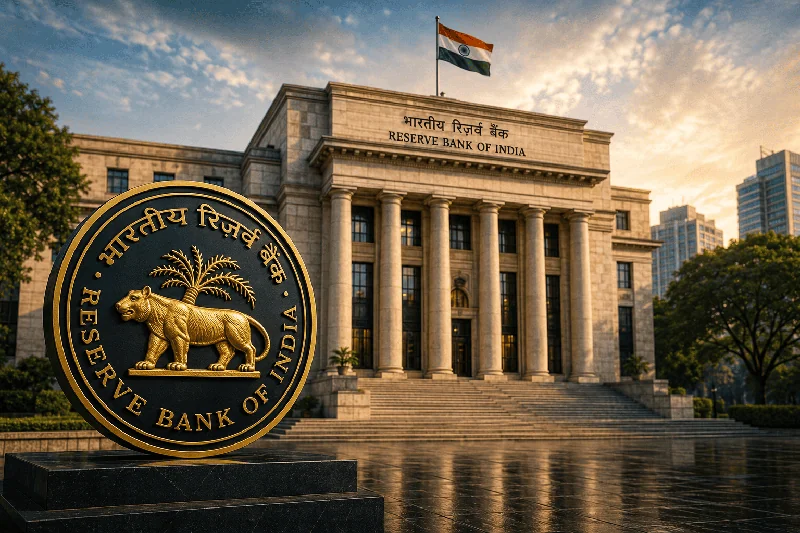
For investors, currency fluctuations are a key consideration. A depreciating rupee can impact the returns on foreign investments held in India and increase the cost of hedging for those looking to invest abroad. The Reserve Bank of India (RBI) often intervenes in the market to manage excessive volatility and maintain currency stability.
The sharp decline on September 8 suggests that market participants were reacting to prevailing economic data or global events. Further analysis of the economic calendar and central bank actions would be necessary to understand the precise drivers behind this currency movement.
This report is for informational purposes only and does not constitute investment advice.
Bond / FD returns and credit ratings are indicative and subject to issuer credit risk and interest-rate risk. Verify current terms with the issuer. Some listings may be sponsored. Not investment advice.
Frequently Asked Questions
Why did the rupee fall sharply on September 8?
The rupee experienced its sharpest decline in eight weeks on September 8, reflecting general market volatility. Specific reasons would depend on the economic factors and global cues prevalent on that day.
What does a weaker rupee mean for consumers?
A weaker rupee generally makes imported goods more expensive for consumers, potentially leading to price increases for items like electronics and foreign travel.
How does a weaker rupee affect Indian businesses?
A weaker rupee can benefit Indian exporters by making their products more competitive internationally, but it increases costs for businesses that import raw materials or finished goods.
Join the Arth Vani channels
Daily news summaries, IPO & market alerts on Telegram and WhatsApp.
Because you read about Bonds
Indian Government Bonds Stabilize as Market Awaits Fresh Debt Supply
Indian government bonds experienced range-bound trading today, with market participants adopting a cautious stance ahead of upcoming new debt issuances. This stability reflects investors' wait-and-watch approach to gauge the impact of fresh supply on bond yields.

Torrent Power Eyes ₹4,150 Crore International Bond Sale
Torrent Power is planning to raise approximately $500 million (around ₹4,150 crore) through an international bond sale. The company has appointed bankers to manage the fundraising process.
 Breaking
Couples in Their 40s: Why a Dual Portfolio Strategy Makes Financial Sense
Couples in their 40s can benefit significantly by adopting a 'two-portfolio household' approach, rather than pooling all finances. This strategy helps align individual financial goals, optimize risk profiles, and maintain clarity over diverse investment objectives like retirement and child's education.
Related Stories

Indian Government Bonds Stabilize as Market Awaits Fresh Debt Supply
Indian government bonds experienced range-bound trading today, with market participants adopting a cautious stance ahead of upcoming new debt issuances. This stability reflects investors' wait-and-watch approach to gauge the impact of fresh supply on bond yields.

Torrent Power Eyes ₹4,150 Crore International Bond Sale
Torrent Power is planning to raise approximately $500 million (around ₹4,150 crore) through an international bond sale. The company has appointed bankers to manage the fundraising process.
 Breaking
Couples in Their 40s: Why a Dual Portfolio Strategy Makes Financial Sense
Couples in their 40s can benefit significantly by adopting a 'two-portfolio household' approach, rather than pooling all finances. This strategy helps align individual financial goals, optimize risk profiles, and maintain clarity over diverse investment objectives like retirement and child's education.

RBI Faces Challenge: Attracting Funds, Not Just Slowing Outflows
While the Reserve Bank of India (RBI) has managed to slow down the outflow of funds, its primary challenge now is to attract new inflows. This is crucial for managing liquidity and interest rates in the economy.