Stock Tokens: The Global Debate on Bridging Traditional Finance and Crypto
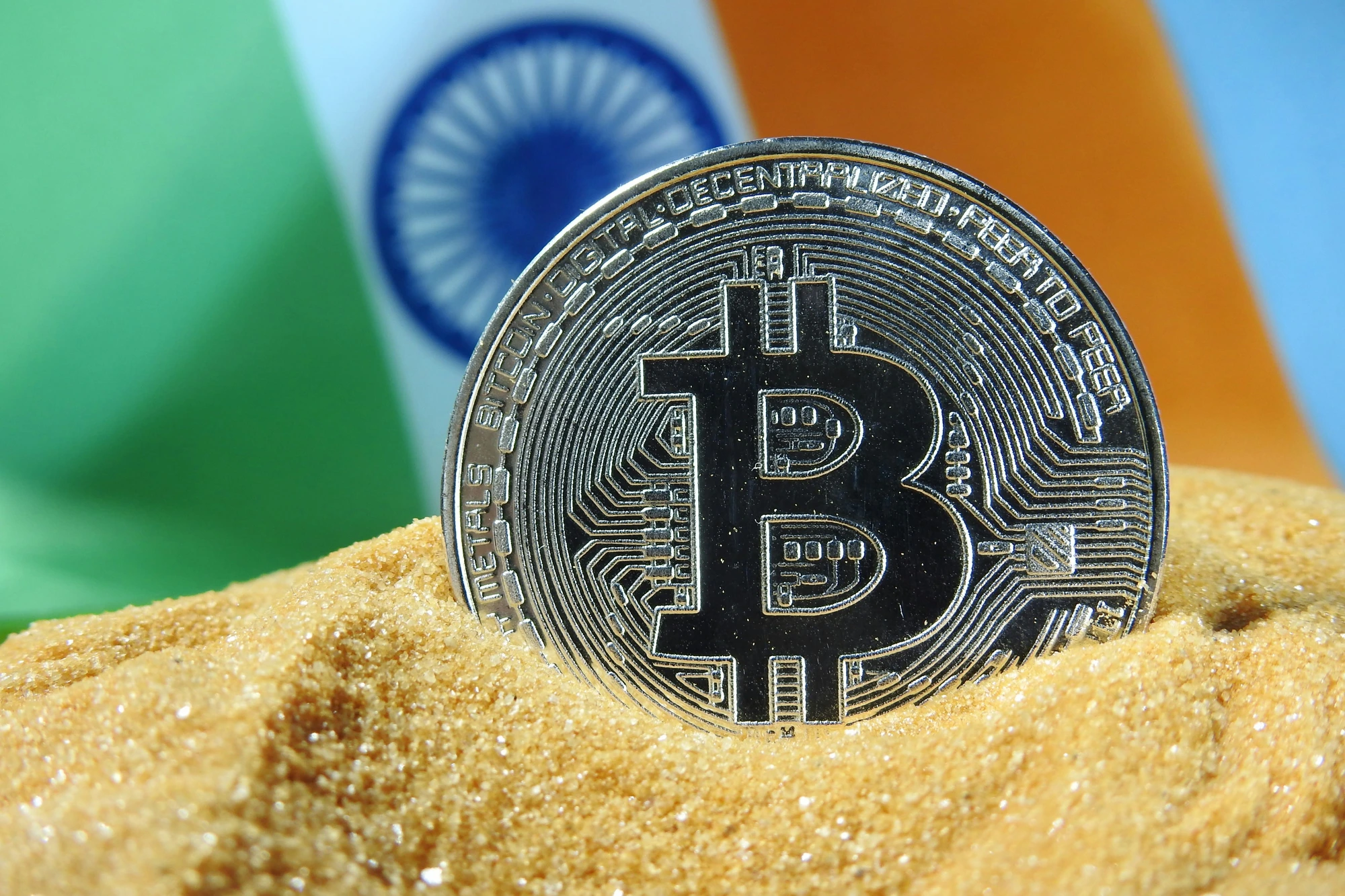
Source: CoinDesk
Arth Insight · What this means for your wallet
- Currently, investing in stock tokens could lead to significant financial loss due to regulatory uncertainty and high market risks in India.
- In the future, if regulated, these tokens might offer fractional ownership of expensive global shares, making high-value investments more accessible for smaller sums (e.g., ₹5,000 for part of an Apple share).
- Eventually, stock tokens could reduce trading costs and improve efficiency, potentially saving you money on transaction fees compared to traditional investing.
Stock tokens, digital assets representing traditional company shares on a blockchain, are sparking a global debate about their integration into financial markets. While promising benefits like fractional ownership and 24/7 trading, they face significant challenges in regulatory clarity and technological harmonisation, requiring collaborative solutions from diverse stakeholders.
- ▸Stock tokens are digital assets representing traditional shares on a blockchain, offering benefits like fractional ownership and 24/7 trading.
- ▸The primary challenges include navigating complex regulatory frameworks and ensuring seamless technological integration with traditional finance.
- ▸Resolving these issues requires global collaboration among regulators, financial institutions, and blockchain developers.
- ▸Indian investors should exercise extreme caution due to the evolving and uncertain regulatory environment for crypto products in India.
- ✓Stock tokens are digital assets representing traditional shares on a blockchain, offering benefits like fractional ownership and 24/7 trading.
- ✓The primary challenges include navigating complex regulatory frameworks and ensuring seamless technological integration with traditional finance.
- ✓Resolving these issues requires global collaboration among regulators, financial institutions, and blockchain developers.
- ✓Indian investors should exercise extreme caution due to the evolving and uncertain regulatory environment for crypto products in India.
The financial world is witnessing an intense global debate surrounding 'stock tokens' – digital representations of traditional company shares that leverage blockchain technology. These innovative assets aim to merge the established traditional financial markets with the rapidly evolving cryptocurrency ecosystem, but face a significant 'gap' that no single entity can bridge alone.
At their core, stock tokens are designed to offer investors an alternative way to gain exposure to publicly traded companies. Unlike traditional shares traded on stock exchanges, these tokens reside on a blockchain, offering several potential advantages. These include the possibility of fractional ownership, allowing investors to buy a small part of a high-value share, as well as 24/7 trading capabilities, bypassing traditional market hours. Furthermore, blockchain technology could potentially streamline transaction processes and reduce intermediaries, leading to lower costs and increased efficiency.
However, the concept is far from universally accepted, with ongoing discussions highlighting substantial hurdles. A primary concern revolves around regulatory uncertainty. Jurisdictions worldwide are grappling with how to classify and regulate stock tokens: are they securities subject to existing financial laws, or novel crypto assets requiring new frameworks? This ambiguity creates a fragmented legal landscape, posing challenges for investor protection, market surveillance, and enforcement against illicit activities. Without clear, harmonised regulations, market participants face legal risks and a lack of standardisation.
Another significant 'gap' lies in technological integration and interoperability. For stock tokens to achieve widespread adoption, they need to seamlessly connect with existing traditional financial infrastructure, including custodians, brokers, and settlement systems. This requires robust technological solutions for data exchange, security, and scalability, ensuring that blockchain networks can handle the volume and complexity of global stock trading. Questions about the underlying blockchain's security, potential for hacks, and the integrity of smart contracts that govern these tokens also contribute to the debate.
The title's emphasis on a 'gap nobody can close alone' underscores the necessity for broad collaboration. Bridging the divide between traditional finance and decentralised crypto markets demands a concerted effort from national and international regulators, financial institutions, technology providers, and blockchain developers. This collective approach is crucial for establishing common standards, robust regulatory frameworks, and secure, interoperable technological solutions that can foster trust and ensure market integrity.
For Indian retail readers, while the promise of easier access to global equities via stock tokens might seem appealing, the current landscape necessitates extreme caution. India's regulatory environment for cryptocurrencies and related products is still evolving, generally adopting a cautious stance. Products like stock tokens currently operate in a grey area, with specific regulations yet to be formulated. Investing in such instruments carries heightened risks due to potential lack of regulatory oversight, limited investor recourse, and market volatility. While the future may hold clearer pathways for such innovations, thorough due diligence and understanding of the associated risks are paramount for any prospective investor.
This article is for informational purposes only and does not constitute financial or investment advice. Investing in crypto assets carries inherent risks.
Crypto assets / VDAs are unregulated in India and highly volatile — you may lose your entire capital, and gains are taxed. Some listings may be sponsored. Not investment advice.
Frequently Asked Questions
What exactly are stock tokens?
Stock tokens are digital assets that represent traditional company shares, allowing them to be traded on a blockchain platform. They aim to combine the benefits of both traditional stock markets and cryptocurrency technology.
Why is there a debate around stock tokens?
The debate centres on regulatory clarity (whether they are securities or crypto assets), technological integration with existing financial systems, and ensuring adequate investor protection and market stability. These are complex issues requiring global consensus.
What does this mean for Indian retail investors?
While stock tokens could offer new investment avenues, the regulatory landscape in India for crypto products is still evolving and uncertain. Indian retail investors should approach such investments with extreme caution, understanding the high risks and potential lack of specific regulatory oversight or investor recourse.
Join the Arth Vani channels
Daily news summaries, IPO & market alerts on Telegram and WhatsApp.
Because you read about Crypto

Bitcoin crosses key long-term average: What it signals for investors
Bitcoin has surpassed a significant long-term technical indicator, the 200-day moving average, a level often watched by traders. This crossover could signal a potential shift in market sentiment, though caution is advised.
US Senator Lummis Claims Democrats Prioritized Trump Animosity Over Crypto Clarity Act
US Senator Cynthia Lummis has alleged that Democrats chose their 'visceral hatred' for former President Donald Trump over passing a critical 'Clarity Act' for the cryptocurrency sector. This statement highlights the political gridlock hindering crypto regulatory progress in the United States, a key global market.

US Regulator Warns of Cheating Risks in Prediction 'Mention Markets'
The U.S. Commodity Futures Trading Commission (CFTC) has issued a stern warning about significant cheating risks within 'mention markets' offered on various prediction platforms. These markets, which often operate on crypto-linked platforms, allow users to bet on what specific news topics or terms will be discussed in the future. The regulator highlighted concerns such as insider trading and market manipulation, urging both platforms and participants to exercise extreme caution.
Related Stories

Bitcoin crosses key long-term average: What it signals for investors
Bitcoin has surpassed a significant long-term technical indicator, the 200-day moving average, a level often watched by traders. This crossover could signal a potential shift in market sentiment, though caution is advised.

US Senator Lummis Claims Democrats Prioritized Trump Animosity Over Crypto Clarity Act
US Senator Cynthia Lummis has alleged that Democrats chose their 'visceral hatred' for former President Donald Trump over passing a critical 'Clarity Act' for the cryptocurrency sector. This statement highlights the political gridlock hindering crypto regulatory progress in the United States, a key global market.

US Regulator Warns of Cheating Risks in Prediction 'Mention Markets'
The U.S. Commodity Futures Trading Commission (CFTC) has issued a stern warning about significant cheating risks within 'mention markets' offered on various prediction platforms. These markets, which often operate on crypto-linked platforms, allow users to bet on what specific news topics or terms will be discussed in the future. The regulator highlighted concerns such as insider trading and market manipulation, urging both platforms and participants to exercise extreme caution.

Whitehats Secure ₹28.6 Crore Bitcoin from Coldcard Hack, Move to Recovery Trust
Ethical hackers, known as "whitehats," have successfully moved 52 Bitcoin, valued at approximately ₹28.6 crore (based on current market rates), from funds previously compromised in a Coldcard hardware wallet hack. The moved cryptocurrency has been transferred to a dedicated recovery trust, signalling an effort towards potential retrieval for affected users. Specific details regarding the hack's timeline or the recovery process were not immediately available.