India Records 7.8% GDP Growth: Decoding the Real Impact on Your Finances

Source: GNews Economy
Arth Insight · What this means for your wallet
- India's 7.8% GDP growth makes it one of the fastest-growing major economies globally.
- Headline growth numbers may not immediately reflect the financial health of every household due to income disparity.
- Strong GDP data influences RBI interest rate decisions, directly impacting EMI costs and savings rates.
India's economy clocked a robust 7.8% growth rate, solidifying its position as a fast-growing major economy. However, experts suggest looking beyond the headline figure to understand how this growth translates to the average Indian household's income and spending power.
- ▸India's 7.8% GDP growth makes it one of the fastest-growing major economies globally.
- ▸Headline growth numbers may not immediately reflect the financial health of every household due to income disparity.
- ▸Strong GDP data influences RBI interest rate decisions, directly impacting EMI costs and savings rates.
- ▸Investors should look at sector-specific growth rather than just the aggregate number to make informed portfolio choices.
- ✓India's 7.8% GDP growth makes it one of the fastest-growing major economies globally.
- ✓Headline growth numbers may not immediately reflect the financial health of every household due to income disparity.
- ✓Strong GDP data influences RBI interest rate decisions, directly impacting EMI costs and savings rates.
- ✓Investors should look at sector-specific growth rather than just the aggregate number to make informed portfolio choices.
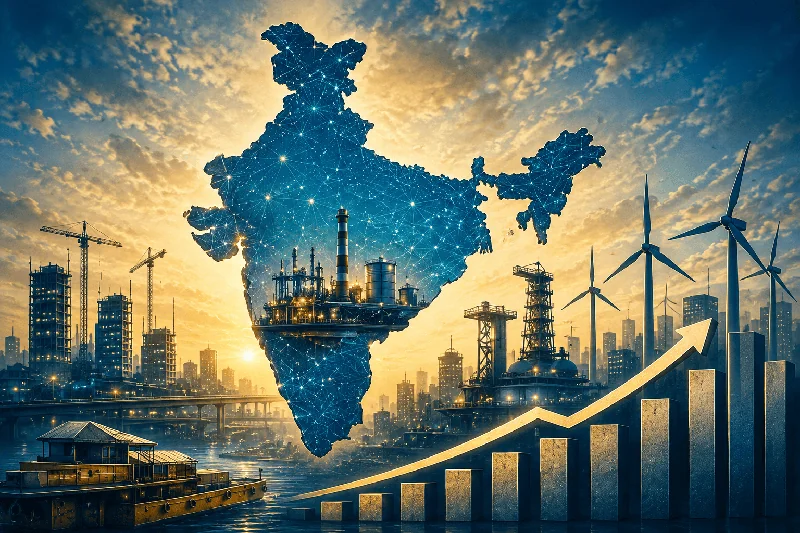
India has reported a Gross Domestic Product (GDP) growth rate of 7.8%, a figure that positions the country as a global outperformer in a period of economic uncertainty. While the headline number suggests a booming economy, the data requires a deeper look to understand its impact on the 1.4 billion people living in the country.
What the 7.8% Growth Means
The 7.8% growth rate is a measure of the total value of goods and services produced within India's borders. For retail investors and consumers, this usually signals a healthy environment for corporate earnings and potential job creation. However, economists often debate whether a single percentage point can accurately reflect the diverse economic realities of India’s vast population, ranging from urban tech hubs to rural agricultural belts.
The Gap Between Data and Reality
While the national average is high, the distribution of this growth remains a point of discussion. Key factors to consider include:
- Consumption Patterns: Is the growth driven by high-end luxury spending or broad-based demand for daily essentials?
- Rural vs. Urban Divide: Agricultural performance and rural wages often lag behind the services and manufacturing sectors, which typically drive the headline GDP.
- Inflation Impact: High growth is often accompanied by inflationary pressures, which can erode the purchasing power of the middle class despite rising national output.
Why Retail Investors Should Care
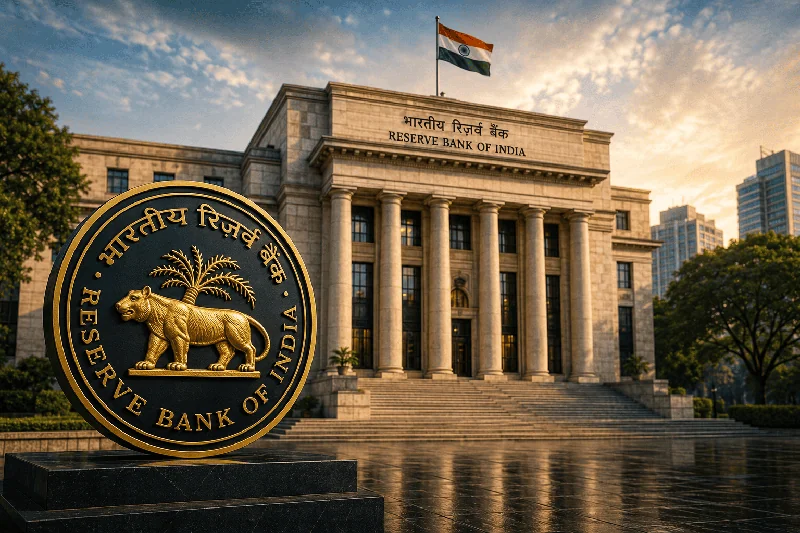
For the Indian retail reader, GDP data is more than just a government statistic. It influences Reserve Bank of India (RBI) decisions on interest rates. If the economy is perceived to be overheating, the RBI may keep interest rates high to control inflation, affecting your Home Loan EMIs and Fixed Deposit returns. Conversely, sustained growth without high inflation could lead to a more stable stock market and better long-term returns on equity investments.
Understanding the components of this 7.8% growth—such as government capital expenditure versus private investment—helps in identifying which sectors (like Infrastructure, Banking, or FMCG) are likely to lead the next market cycle.
This report is for informational purposes only and does not constitute financial or investment advice.
Some listings may be sponsored and Arth Vani may earn a referral fee. All information is for educational purposes only — verify terms and suitability with the provider before acting. Not financial advice.
Frequently Asked Questions
How does 7.8% GDP growth affect my daily life?
While it indicates a strong economy, the direct impact depends on whether this growth leads to job creation and stable prices. It also suggests that the RBI may not be in a hurry to cut interest rates.
Does high GDP growth mean the stock market will go up?
Generally, yes, as it reflects higher corporate productivity. However, markets often price in GDP expectations in advance, so the immediate reaction may vary.
Why are some experts skeptical of the 7.8% figure?
Critics often point to the 'K-shaped' recovery, where large corporations and high-income earners grow rapidly while small businesses and rural consumers struggle to keep pace.
Join the Arth Vani channels
Daily news summaries, IPO & market alerts on Telegram and WhatsApp.
Because you read about Business & Economy
OpenAI Reveals Six New Cases of 'Concerning' AI Model Behavior Since March
OpenAI has disclosed six new instances of problematic artificial intelligence (AI) model behavior since March, highlighting the intensifying global debate around AI safety. The company has also introduced a new framework for transparently reporting such incidents in the future. This move comes as AI adoption accelerates across sectors, including banking and finance.
 Breaking
EPFO Wage Ceiling Hiked to ₹25,000: 1 Crore Workers to See Lower Take-Home Pay
The government has raised the Employees' Provident Fund Organisation (EPFO) wage ceiling to ₹25,000 per month, effective Thursday. This move will impact over 10 million formal sector workers, potentially reducing their take-home salaries while increasing contributions from both employees and employers.
 Breaking
EPFO Wage Ceiling Hiked to ₹25,000: Higher PF Contributions and Pension for Millions
The Union Cabinet has approved increasing the EPFO mandatory wage ceiling from ₹15,000 to ₹25,000 per month. This move will bring more employees under the social security net and increase the monthly retirement savings for the Indian workforce.
Related Stories

OpenAI Reveals Six New Cases of 'Concerning' AI Model Behavior Since March
OpenAI has disclosed six new instances of problematic artificial intelligence (AI) model behavior since March, highlighting the intensifying global debate around AI safety. The company has also introduced a new framework for transparently reporting such incidents in the future. This move comes as AI adoption accelerates across sectors, including banking and finance.
 Breaking
EPFO Wage Ceiling Hiked to ₹25,000: 1 Crore Workers to See Lower Take-Home Pay
The government has raised the Employees' Provident Fund Organisation (EPFO) wage ceiling to ₹25,000 per month, effective Thursday. This move will impact over 10 million formal sector workers, potentially reducing their take-home salaries while increasing contributions from both employees and employers.
 Breaking
EPFO Wage Ceiling Hiked to ₹25,000: Higher PF Contributions and Pension for Millions
The Union Cabinet has approved increasing the EPFO mandatory wage ceiling from ₹15,000 to ₹25,000 per month. This move will bring more employees under the social security net and increase the monthly retirement savings for the Indian workforce.

Arunachal Frontier Highway On Track For 2029 Completion After Resolving Hurdles
India's critical Arunachal Frontier Highway project is now on track for construction, targeting completion by 2029. Major land acquisition and compensation issues, which had previously stalled progress, have largely been resolved, paving the way for the strategic road.