RBI Flags Red: Fintech Small Loans See Rising Risks & Delinquencies

Source: Economictimes
Arth Insight · What this means for your wallet
- You might face higher interest rates or stricter terms on small personal loans as lenders account for rising defaults.
- Missing repayments will severely damage your credit score, making it harder and more expensive to get future loans (e.g., home, car).
- Ease of access to unsecured small loans increases the risk of over-borrowing, potentially trapping you in a cycle of debt.
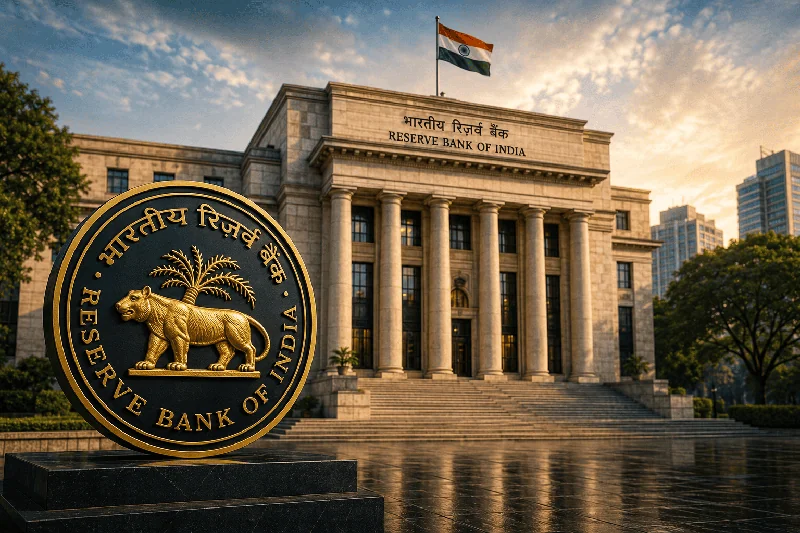
Fintech lenders now dominate India's small personal loan market, especially for amounts under ₹50,000. However, the Reserve Bank of India (RBI) is cautioning against rising risks, as these popular loans, often unsecured and targeting younger individuals, are experiencing significantly higher delinquency rates.
- ▸Fintechs dominate small personal loans (under ₹50,000) market.
- ▸Fintech loans have a significantly higher delinquency rate of 6.4% compared to traditional lenders.
- ▸These loans are often unsecured and target younger borrowers, increasing repayment risk.
- ▸The RBI is cautioning borrowers, especially the youth, about potential debt traps.
- ✓Fintechs dominate small personal loans (under ₹50,000) market.
- ✓Fintech loans have a significantly higher delinquency rate of 6.4% compared to traditional lenders.
- ✓These loans are often unsecured and target younger borrowers, increasing repayment risk.
- ✓The RBI is cautioning borrowers, especially the youth, about potential debt traps.
Fintech companies have rapidly emerged as the dominant force in India's small personal loan segment, capturing more than half of all loans under ₹50,000. This swift growth, however, is accompanied by a worrying trend of increasing defaults, prompting a cautionary note from the Reserve Bank of India (RBI).
Fintechs Lead Small Loan Market
According to recent reports, fintech lenders are projected to command an impressive 57% share of the small personal loan market, specifically for loans under ₹50,000, by March 2026. This significant market penetration underscores the appeal and accessibility of these digital lending platforms, particularly for individuals seeking quick, smaller credit.
The rise of fintechs in this space can be attributed to their streamlined application processes, minimal documentation requirements, and ability to disburse funds rapidly, often appealing to those who may not have easy access to traditional banking credit.
Rising Delinquencies Sound Alarm
Despite their market success, fintechs are facing a concerning rise in loan delinquencies. The RBI's data indicates that the delinquency rate for personal loans issued by fintech lenders has climbed to 6.4%. This figure is notably higher when compared to the default rates observed in similar loan categories offered by established banks and non-banking financial companies (NBFCs).
A delinquency rate of 6.4% means that a significant portion of borrowers are struggling to make their repayments on time, hinting at potential stress within this rapidly expanding loan portfolio.
Unsecured Loans & Young Borrowers: A Risky Mix
A major characteristic of these small personal loans from fintechs is their unsecured nature. This means the loans are not backed by any collateral, such as property or gold, making them inherently riskier for lenders. In the event of a default, lenders have fewer avenues to recover their money.
Furthermore, a substantial portion of these unsecured loans are targeted at younger borrowers. While convenient, this demographic can be particularly vulnerable. Younger individuals may have less financial experience, lower stable incomes, or a nascent credit history, making them susceptible to over-borrowing or struggling with repayment if their financial circumstances change unexpectedly. The RBI's concern is that this combination could lead to a growing number of individuals, especially the youth, falling into debt traps.
RBI Urges Caution
The central bank's observations highlight the need for both lenders and borrowers to exercise greater prudence. While fintechs offer crucial financial access, their rapid expansion into small-ticket, unsecured lending, coupled with rising defaults, signals a potential systemic risk if not managed carefully.
For borrowers, especially young individuals, the ease of obtaining these loans should not overshadow the responsibility of repayment. Understanding the terms, interest rates, and one's capacity to repay before committing to such loans is paramount to avoiding future financial distress.
This article is for informational purposes only and should not be construed as financial advice.
Some listings may be sponsored and Arth Vani may earn a referral fee. All information is for educational purposes only — verify terms and suitability with the provider before acting. Not financial advice.
Frequently Asked Questions
What is considered a 'small personal loan' in this context?
A 'small personal loan' in this report refers to loans with an amount under ₹50,000.
Why are fintech loans being flagged as riskier than traditional bank loans?
Fintech loans are flagged as riskier due to their significantly higher delinquency rate of 6.4%, their unsecured nature, and their tendency to target younger borrowers who might be more susceptible to debt.
What does the RBI's warning mean for me as a borrower?
The RBI's warning means you should be extra cautious when considering small personal loans from fintechs, carefully assessing your repayment ability and understanding all terms to avoid potential debt traps.
Join the Arth Vani channels
Daily news summaries, IPO & market alerts on Telegram and WhatsApp.
Because you read about Fintech

Barclays Expands AI Use with Anthropic's Claude to Modernize Banking Operations
Global banking giant Barclays is significantly increasing its adoption of Anthropic's AI model, Claude, to accelerate software development and enhance operational efficiency. This move aims to modernize the bank's older systems, reflecting a growing trend of major financial institutions leveraging artificial intelligence for internal processes.
 New LaunchBreaking
Australia's WeMoney Leverages AI, Open Banking for Smarter Lending Assessments
Australian fintech WeMoney has launched a new AI-powered service to assess loan applications using open banking data. This innovation, built on Australia's Consumer Data Right, aims to provide more personalized and efficient lending decisions.

Capitolis Acquires eSecLending for ₹1,666 Crore to Boost Lending Tech
Global capital markets technology provider Capitolis has acquired eSecLending in an all-cash deal worth $200 million (approximately ₹1,666 crore). This acquisition aims to integrate securities lending capabilities into Capitolis' existing technology platform, enhancing its offerings to financial institutions.
Related Stories

Barclays Expands AI Use with Anthropic's Claude to Modernize Banking Operations
Global banking giant Barclays is significantly increasing its adoption of Anthropic's AI model, Claude, to accelerate software development and enhance operational efficiency. This move aims to modernize the bank's older systems, reflecting a growing trend of major financial institutions leveraging artificial intelligence for internal processes.
 New LaunchBreaking
Australia's WeMoney Leverages AI, Open Banking for Smarter Lending Assessments
Australian fintech WeMoney has launched a new AI-powered service to assess loan applications using open banking data. This innovation, built on Australia's Consumer Data Right, aims to provide more personalized and efficient lending decisions.

Capitolis Acquires eSecLending for ₹1,666 Crore to Boost Lending Tech
Global capital markets technology provider Capitolis has acquired eSecLending in an all-cash deal worth $200 million (approximately ₹1,666 crore). This acquisition aims to integrate securities lending capabilities into Capitolis' existing technology platform, enhancing its offerings to financial institutions.
 Breaking
Apple Pay Launches in India Through Partnership with Axis Bank
Apple Pay has officially launched in India, marking its entry into the country's competitive digital payments landscape. The service is being introduced through a strategic partnership with Axis Bank, offering a new payment option for Apple users.