UPI Transaction Fees: Merchant Discount Rate (MDR) Debate Reignites
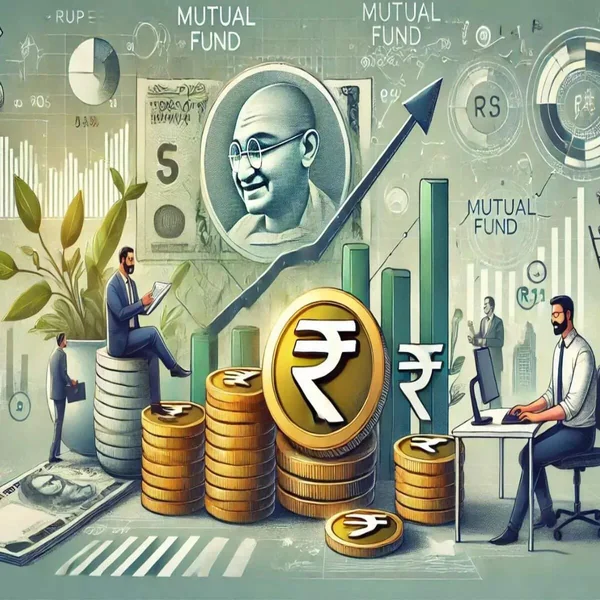
Source: Inc42 FinTech
Arth Insight · What this means for your wallet
- Small businesses might see slightly higher operating costs, potentially leading to minor price increases on goods/services.
- While direct UPI fees for consumers are unlikely, the overall cost of digital transactions could subtly rise.
- Increased investment in UPI infrastructure could lead to more secure and efficient payment experiences in the long run.
After nearly six years of zero-cost transactions, the debate around introducing Merchant Discount Rate (MDR) for UPI payments is back on the table. This could potentially impact transaction costs for merchants and, indirectly, consumers.
- ▸UPI transactions have been free for merchants for nearly six years.
- ▸There are renewed discussions about reintroducing Merchant Discount Rate (MDR) on UPI.
- ▸MDR could impact costs for merchants and potentially consumers.
- ▸The goal is to ensure the long-term sustainability of the UPI payment system.
- ✓UPI transactions have been free for merchants for nearly six years.
- ✓There are renewed discussions about reintroducing Merchant Discount Rate (MDR) on UPI.
- ✓MDR could impact costs for merchants and potentially consumers.
- ✓The goal is to ensure the long-term sustainability of the UPI payment system.
The Unified Payments Interface (UPI), a cornerstone of India's digital payment revolution, has operated on a zero-cost model for merchants for almost six years. However, discussions are resurfacing regarding the reintroduction of Merchant Discount Rate (MDR) on UPI transactions. This move, if implemented, could mark a significant shift in the operational economics of digital payments in India.
Understanding MDR
Merchant Discount Rate (MDR) is a fee charged by banks to merchants for processing card or digital payments. This charge covers various costs, including bank fees, processing fees, and interchange fees. Historically, UPI transactions have been exempt from MDR, with costs absorbed by payment service providers and banks, often supported by government incentives.
Why the Reconsideration?
The zero-cost model, while fostering rapid adoption of UPI, has placed a financial strain on payment service providers and banks. As UPI volume continues to surge, the sustainability of this model is being questioned. Industry stakeholders are reportedly advocating for the reintroduction of MDR to ensure the long-term viability and innovation within the UPI ecosystem. The potential benefits include better cost recovery for banks and payment processors, potentially leading to enhanced infrastructure and service quality.
Potential Impact on Consumers and Merchants
The reintroduction of MDR could lead to increased operational costs for merchants, particularly small businesses. These costs might be passed on to consumers through slightly higher prices for goods and services, or through direct transaction fees, although the latter is less likely given UPI's current user experience.
However, proponents argue that a well-structured MDR system could also spur further investment in payment technology, leading to more secure and efficient transaction platforms. The exact structure and rate of any potential MDR are yet to be determined, and any decision would likely involve extensive consultation with all stakeholders, including the Reserve Bank of India (RBI).
This article is for informational purposes only and does not constitute investment advice.
Some listings may be sponsored and Arth Vani may earn a referral fee. All information is for educational purposes only — verify terms and suitability with the provider before acting. Not financial advice.
Frequently Asked Questions
What is Merchant Discount Rate (MDR)?
MDR is a fee charged by banks to merchants for processing digital payments like UPI, debit cards, and credit cards. It covers the costs associated with the transaction.
Why is MDR being discussed for UPI again?
The zero-cost model for UPI has been a financial strain on payment service providers and banks. Reintroducing MDR is being considered to ensure the long-term sustainability and growth of the UPI ecosystem.
Will UPI transactions become expensive for consumers?
It's uncertain. While merchants might face increased costs, it's not guaranteed they will pass these on to consumers. Any changes would likely be carefully implemented to maintain UPI's popularity.
Join the Arth Vani channels
Daily news summaries, IPO & market alerts on Telegram and WhatsApp.
Because you read about Fintech

Indian Energy Infra Startups Attract Bigger Investor Cheques Amid 'Sovereign Play'
Indian energy infrastructure startups are reportedly receiving larger investment cheques, driven by investors betting on the sector's strategic importance as a 'sovereign play'. This trend highlights growing confidence in India's energy transition and government support for domestic energy capabilities.
 New Launch
Crédit Agricole Deutschland Partners with Enfuce for New Digital Visa Debit Cards
Crédit Agricole, a major French bank, has launched a new digital-first universal bank for retail customers in Germany. This new venture, Crédit Agricole Deutschland, will issue Visa debit cards with Enfuce, a European card processing company, acting as the card issuer and BIN sponsor.

Bengaluru Startup Aina Launches AI Ring at ₹47,000, Offers Early-Bird Price
Bengaluru-based startup Aina has launched its AI-powered smart ring in India, priced at ₹47,000. The device integrates AI agents, voice commands, and gesture controls, with an early-bird offer available at ₹37,700. This launch introduces a new wearable technology option for Indian consumers.
Related Stories

Indian Energy Infra Startups Attract Bigger Investor Cheques Amid 'Sovereign Play'
Indian energy infrastructure startups are reportedly receiving larger investment cheques, driven by investors betting on the sector's strategic importance as a 'sovereign play'. This trend highlights growing confidence in India's energy transition and government support for domestic energy capabilities.
 New Launch
Crédit Agricole Deutschland Partners with Enfuce for New Digital Visa Debit Cards
Crédit Agricole, a major French bank, has launched a new digital-first universal bank for retail customers in Germany. This new venture, Crédit Agricole Deutschland, will issue Visa debit cards with Enfuce, a European card processing company, acting as the card issuer and BIN sponsor.

Bengaluru Startup Aina Launches AI Ring at ₹47,000, Offers Early-Bird Price
Bengaluru-based startup Aina has launched its AI-powered smart ring in India, priced at ₹47,000. The device integrates AI agents, voice commands, and gesture controls, with an early-bird offer available at ₹37,700. This launch introduces a new wearable technology option for Indian consumers.

Indian Fintech Startups: 7 'Gazelles' Hit $1 Bn Valuation in 2026, 34 Since 2021
Seven Indian fintech startups achieved 'unicorn' status, crossing the $1 billion valuation mark in 2026. This brings the total number of Indian fintech unicorns to 34 since the start of 2021, highlighting rapid growth in the sector.