Banks Raise Deposit Rates, Lending Costs Up After RBI Hike

Source: GNews Fixed Income
Arth Insight · What this means for your wallet
- Your fixed deposits (FDs) and savings accounts could now earn higher interest.
- EMIs on your existing home, auto, or personal loans are likely to increase.
- Taking out new loans (home, auto, personal) will become more expensive.
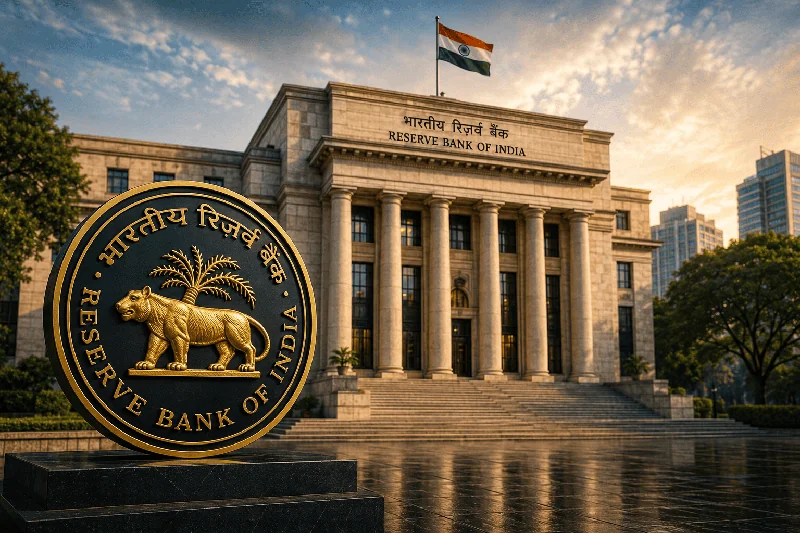
Indian banks have started increasing interest rates on fixed deposits following recent repo rate hikes by the Reserve Bank of India (RBI). This move aims to attract more savers but consequently leads to higher borrowing costs for loans across various categories.
- ▸Banks are now offering higher interest rates on fixed deposits, benefiting savers.
- ▸Borrowing costs for various loans like home, auto, and personal loans are increasing.
- ▸Existing floating-rate loan EMIs are likely to rise due to these rate adjustments.
- ▸Retail customers should compare deposit rates and review loan obligations.
- ✓Banks are now offering higher interest rates on fixed deposits, benefiting savers.
- ✓Borrowing costs for various loans like home, auto, and personal loans are increasing.
- ✓Existing floating-rate loan EMIs are likely to rise due to these rate adjustments.
- ✓Retail customers should compare deposit rates and review loan obligations.
Indian banks have begun increasing the interest rates offered on fixed deposits (FDs) and other savings products, a direct response to recent repo rate adjustments by the Reserve Bank of India (RBI). This development signals a shift towards higher returns for savers but simultaneously translates into increased borrowing costs for various loan categories across the country.
Following the RBI's policy decisions to tighten monetary policy, which typically involves raising the benchmark repo rate, commercial banks usually follow suit by adjusting their own interest rate structures. The primary aim of raising deposit rates is for banks to attract more capital from customers, helping them manage their liquidity and meet increasing demand for credit in the economy. For retail depositors, this presents a positive opportunity to secure better returns on their savings, making fixed deposits a more attractive investment option compared to periods of lower interest rates.
Rising Costs for Borrowers
While higher deposit rates cheer savers, the other side of this monetary policy transmission is an uptick in lending rates. Borrowers, particularly those with existing floating-rate loans such as home loans, auto loans, and personal loans, are likely to experience an increase in their Equated Monthly Installments (EMIs). For individuals planning to take out new loans, the cost of borrowing will also be higher than in previous periods, potentially influencing their financial planning and major purchase decisions.
The extent of these rate hikes varies across different banks and product offerings. However, the general trend indicates a more expensive lending environment for businesses and individuals alike. This can have broader implications for economic activity, as higher borrowing costs might temper consumer spending and corporate investments.
What This Means for Retail Customers
For the average Indian retail customer, understanding these shifts is crucial. Depositors are advised to actively compare the interest rates being offered by different banks on their fixed deposits. Even a small difference in percentage points can lead to significant additional earnings over the tenure of an FD. Similarly, borrowers should review their loan statements to ascertain any changes in their EMI obligations. Exploring options to pre-pay loans or manage debt effectively becomes more pertinent in a rising interest rate scenario.
This dynamic interplay between RBI's policy rates, bank deposit rates, and lending rates is a standard feature of the financial landscape. It reflects the central bank's efforts to manage inflation and stabilize the economy. As banks continue to adjust their offerings, informed decision-making by consumers will be key to navigating the changing financial environment.
This report is for informational purposes only and does not constitute financial or investment advice.
Bond / FD returns and credit ratings are indicative and subject to issuer credit risk and interest-rate risk. Verify current terms with the issuer. Some listings may be sponsored. Not investment advice.
Frequently Asked Questions
Why are banks increasing deposit rates?
Banks increase deposit rates after an RBI repo rate hike to attract more funds from customers, manage liquidity, and meet credit demand in the economy.
How do these rate changes affect my loans?
For existing floating-rate loans, your EMIs will likely increase. New loans, including home, auto, and personal loans, will also be offered at higher interest rates.
What should depositors do?
Savers should compare the latest fixed deposit rates offered by various banks to find the best returns and maximize their earnings.
Join the Arth Vani channels
Daily news summaries, IPO & market alerts on Telegram and WhatsApp.
Because you read about Fixed Income
 Breaking
SBI Amrit Vrishti vs. Indian Bank IND Prosper FD: A Look for ₹5 Lakh Savers
Retail investors are comparing special fixed deposit schemes like SBI's Amrit Vrishti and Indian Bank's IND Prosper FD, particularly for investments of ₹5 Lakh over their unique tenures of 444 and 777 days, respectively. While these deposits aim to offer competitive returns, prospective investors are urged to verify the latest interest rates directly from the banks.
 New LaunchBreaking
Bank of India Revises FD Rates, Launches Special 500-Day Deposit Scheme
Bank of India has announced a revision to its Fixed Deposit (FD) interest rates, alongside the introduction of a new 500-day special FD scheme. These changes aim to offer competitive returns, especially benefiting senior citizens who typically receive enhanced interest rates on their deposits.
 New Launch
US Insurtech Lemonade Expands Renters Insurance Nationwide
US-based insurtech company Lemonade has announced the nationwide expansion of its renters insurance product across the United States, following an initial launch in Minnesota. This move makes their digital-first renters insurance accessible to a broader American market, reflecting a trend towards accessible, technology-driven insurance solutions.
Related Stories
 Breaking
SBI Amrit Vrishti vs. Indian Bank IND Prosper FD: A Look for ₹5 Lakh Savers
Retail investors are comparing special fixed deposit schemes like SBI's Amrit Vrishti and Indian Bank's IND Prosper FD, particularly for investments of ₹5 Lakh over their unique tenures of 444 and 777 days, respectively. While these deposits aim to offer competitive returns, prospective investors are urged to verify the latest interest rates directly from the banks.
 New LaunchBreaking
Bank of India Revises FD Rates, Launches Special 500-Day Deposit Scheme
Bank of India has announced a revision to its Fixed Deposit (FD) interest rates, alongside the introduction of a new 500-day special FD scheme. These changes aim to offer competitive returns, especially benefiting senior citizens who typically receive enhanced interest rates on their deposits.
 New Launch
US Insurtech Lemonade Expands Renters Insurance Nationwide
US-based insurtech company Lemonade has announced the nationwide expansion of its renters insurance product across the United States, following an initial launch in Minnesota. This move makes their digital-first renters insurance accessible to a broader American market, reflecting a trend towards accessible, technology-driven insurance solutions.

Kenya T-Bill Demand Surges Over 240% Amid Stable Rates, Signals Global Fixed Income Trends
Demand for Kenya's short-term government debt, known as Treasury Bills, recently skyrocketed by 241.79% while interest rates remained stable, according to a report from Serrari Group. This surge indicates strong investor confidence in the Kenyan government's ability to repay its debts and a global search for stable returns.