RBI Holds Repo Rate at 6.5%: What It Means for Your Home Loan EMIs
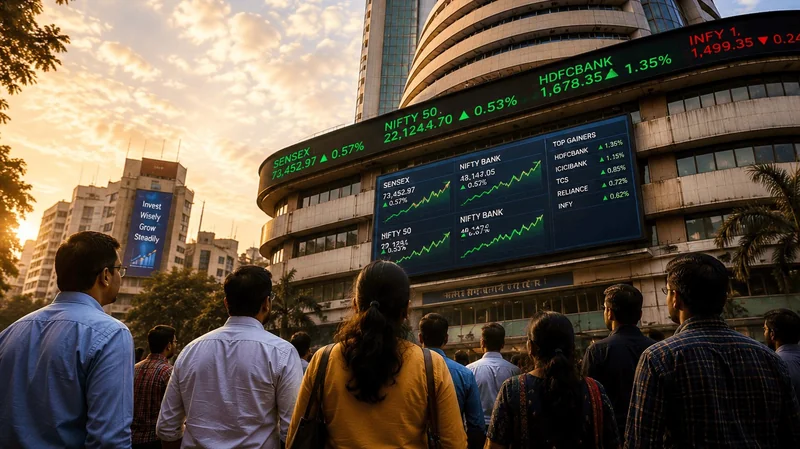
Source: Mint Economy
The Reserve Bank of India (RBI) has decided to keep the benchmark repo rate unchanged at 6.5% for the fourth consecutive time. This decision aims to balance inflation control with economic growth amidst global market uncertainties.
- ▸Your loan EMIs are unlikely to increase in the immediate future as the repo rate stays at 6.5%.
- ▸The RBI is prioritizing inflation control over immediate rate cuts due to global economic risks.
- ▸Fixed Deposit (FD) rates are expected to stay at their current peak levels for a while longer.
- ▸The central bank maintains a 'neutral' but cautious stance regarding future policy moves.
- ✓Your loan EMIs are unlikely to increase in the immediate future as the repo rate stays at 6.5%.
- ✓The RBI is prioritizing inflation control over immediate rate cuts due to global economic risks.
- ✓Fixed Deposit (FD) rates are expected to stay at their current peak levels for a while longer.
- ✓The central bank maintains a 'neutral' but cautious stance regarding future policy moves.
The Reserve Bank of India’s Monetary Policy Committee (MPC) has opted to maintain the status quo, keeping the repo rate steady at 6.5% during its latest review meeting. This marks the fourth straight meeting where the central bank has chosen not to hike rates, providing a sense of stability for the Indian financial ecosystem.
Focus on Inflation and Global Headwinds
RBI Governor Shaktikanta Das highlighted that while the domestic economy remains resilient, global uncertainties and volatile food prices necessitate a cautious approach. The central bank has maintained its 'withdrawal of accommodation' stance to ensure that inflation progressively aligns with the target of 4%, while supporting growth.
Impact on Borrowers and Savers
For retail borrowers, this pause is a sign of relief. Since the repo rate remains unchanged, banks are unlikely to hike interest rates on home, car, and personal loans immediately. However, those expecting a rate cut will have to wait longer, as the RBI remains vigilant about inflationary pressures.
- Home Loans: Floating rate EMIs will likely remain stable for now.
- Fixed Deposits: Banks may continue to offer attractive interest rates on FDs as liquidity remains a focus.
- Consumption: Stable rates help maintain consumer sentiment during the festive seasons.
The Road Ahead
The RBI’s decision reflects a 'wait and watch' strategy. By keeping rates at 6.5%, the regulator is balancing the need to curb price rises without choking economic momentum. Market analysts suggest that any future rate cuts will depend significantly on how global crude oil prices and domestic monsoon impacts play out in the coming months.
This report is for informational purposes only and does not constitute financial or investment advice.
Some listings may be sponsored and Arth Vani may earn a referral fee. All information is for educational purposes only — verify terms and suitability with the provider before acting. Not financial advice.
Frequently Asked Questions
Will my home loan EMI go down after this RBI announcement?
No, your EMI will not go down immediately because the RBI kept the rates unchanged rather than cutting them. However, it also means your EMI is unlikely to increase for now.
Is this a good time to lock in a Fixed Deposit?
Yes, since the RBI has paused rate hikes, FD interest rates are likely at or near their peak. Locking in long-term FDs now could be beneficial before eventual rate cuts begin.
Why did the RBI not cut the repo rate?
The RBI cited global economic uncertainties and the need to bring inflation down to its 4% target as the primary reasons for not reducing the repo rate yet.
Join the Arth Vani channels
Daily news summaries, IPO & market alerts on Telegram and WhatsApp.
Because you read about Global Markets
 Breaking
US 10-Year Yield Falls from 2002 High; US Stocks Edge Up
The yield on the benchmark US 10-year Treasury bond recently declined after climbing to its highest point since 2002. This movement coincided with US stock markets registering slight gains, indicating a nuanced reaction in global financial markets.

BP Reports Largest Oil Discovery in 25 Years, Potential Stock Impact Noted
Global energy giant BP has announced its largest oil discovery in 25 years. This significant finding is anticipated to influence the company's stock performance, though specific details about the discovery remain undisclosed.

Global Benchmarks Mostly Rise Amid Iran War Worries
Major global stock markets generally advanced today, demonstrating resilience despite ongoing concerns related to the conflict involving Iran. This movement suggests investor sentiment remains cautiously optimistic despite geopolitical tensions.
Related Stories
 Breaking
US 10-Year Yield Falls from 2002 High; US Stocks Edge Up
The yield on the benchmark US 10-year Treasury bond recently declined after climbing to its highest point since 2002. This movement coincided with US stock markets registering slight gains, indicating a nuanced reaction in global financial markets.

BP Reports Largest Oil Discovery in 25 Years, Potential Stock Impact Noted
Global energy giant BP has announced its largest oil discovery in 25 years. This significant finding is anticipated to influence the company's stock performance, though specific details about the discovery remain undisclosed.

Global Benchmarks Mostly Rise Amid Iran War Worries
Major global stock markets generally advanced today, demonstrating resilience despite ongoing concerns related to the conflict involving Iran. This movement suggests investor sentiment remains cautiously optimistic despite geopolitical tensions.
 Breaking
Rising Global Bond Yields Rattling Markets, Cooling Enthusiasm for AI Stocks
Global financial markets are experiencing turbulence as bond yields continue to rise, dampening investor confidence across various sectors. This surge in yields is particularly impacting high-growth segments like artificial intelligence (AI) stocks, offsetting previous hopes for their strong performance. The trend signals a broader shift in market sentiment globally.