Asian Central Banks Move to Stabilize Currencies as Dollar Pressure Mounts

Source: Economictimes
Arth Insight · What this means for your wallet
- Your petrol and imported goods (like electronics) might become more expensive due to a weaker Rupee.
- The cost of foreign travel and overseas education for your family could increase if the Rupee falls further.
- RBI's actions aim to stabilize the Rupee, potentially protecting your purchasing power against imported inflation.
Central banks across Asia, including India, are tightening rules on offshore currency trading to protect local currencies from hitting new lows. This move aims to control imported inflation and stabilize the cost of foreign travel and education for regular citizens.
- ▸Central banks are cracking down on offshore speculators to prevent the Rupee (₹) from hitting new record lows.
- ▸A stable Rupee helps keep the cost of imported goods like fuel and electronics from rising sharply.
- ▸These interventions provide more predictable costs for Indians planning foreign travel or overseas education.
- ▸The move targets high oil prices and a strong US Dollar, which are currently the biggest threats to regional currency stability.
- ✓Central banks are cracking down on offshore speculators to prevent the Rupee (₹) from hitting new record lows.
- ✓A stable Rupee helps keep the cost of imported goods like fuel and electronics from rising sharply.
- ✓These interventions provide more predictable costs for Indians planning foreign travel or overseas education.
- ✓The move targets high oil prices and a strong US Dollar, which are currently the biggest threats to regional currency stability.
Defending the Rupee from External Shocks
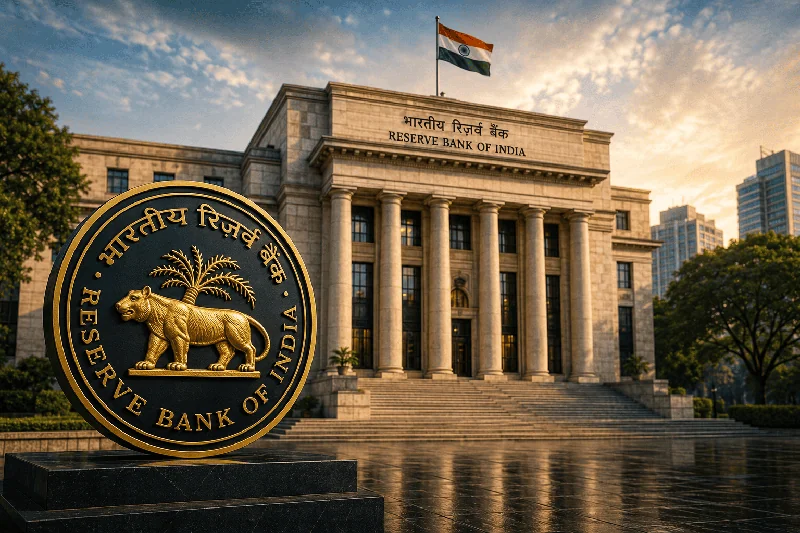
Asian central banks are opening a new front in their battle to protect local currencies against a surging US Dollar. Policymakers in India, Indonesia, South Korea, and the Philippines are now focusing on the offshore derivatives market to curb speculation that has pushed several regional currencies to record lows. By increasing oversight and tightening trading limits, these regulators aim to reduce the volatility that often spills over into domestic markets.
Why This Matters for the Indian Household
For the average Indian retail investor and consumer, the stability of the Rupee (₹) is more than just a macroeconomic statistic. When the Rupee weakens against the Dollar, the cost of everything India imports—from crude oil to electronic components—rises. This 'imported inflation' eventually hits the pockets of consumers through higher petrol prices and more expensive consumer goods.
Impact on Travel and Global Education
The central banks' push to stabilize the Rupee is particularly significant for families planning overseas expenses. A volatile currency market can suddenly increase the budget required for international travel or foreign university tuition. By curbing offshore speculation, the Reserve Bank of India and its regional peers are attempting to create a more predictable environment for those who need to convert their savings into foreign currency.
The Role of Offshore Markets
Offshore markets often act as a breeding ground for currency speculation because they operate outside the direct jurisdiction of domestic regulators. When high oil prices and strong US economic data put pressure on Asian markets, offshore traders often place large bets against regional currencies, accelerating their decline. The current strategy involves:
- Increasing oversight of offshore derivative contracts.
- Tightening limits on how much banks can trade in non-domestic markets.
- Actively intervening to ensure that offshore rates do not diverge significantly from local spot rates.
As global economic pressures persist, these central bank interventions serve as a buffer, preventing a free-fall of the Rupee and helping maintain the purchasing power of Indian households in the global market.
This article is for informational purposes only and does not constitute financial advice or an endorsement of any currency trading strategy.
Some listings may be sponsored and Arth Vani may earn a referral fee. All information is for educational purposes only — verify terms and suitability with the provider before acting. Not financial advice.
Join the Arth Vani channels
Daily news summaries, IPO & market alerts on Telegram and WhatsApp.
Because you read about Stock Market
US Stocks Surge as AI Optimism Reignites and Treasury Yields Retreat
Wall Street concluded trading sharply higher, driven by a renewed wave of optimism surrounding Artificial Intelligence (AI) and a noticeable retreat in US Treasury yields. This positive sentiment across major US stock markets signals a shift in investor confidence.

Nifty 50 Gains 84 Points, Sensex Jumps 630 on Declining Oil Prices
Indian benchmark equity indices, Nifty 50 and Sensex, closed higher today, with Nifty rising 84 points and Sensex gaining 630 points. The positive market movement was primarily attributed to a decline in global crude oil prices, which typically benefits the Indian economy.

Starbucks Faces Customer Backlash Over New Chai Recipe
Starbucks is reportedly experiencing a 'revolt' from its most loyal customers following a change in its popular chai recipe. Specific details about the recipe alteration or the extent of the customer dissatisfaction are not available in the provided information.
Related Stories

US Stocks Surge as AI Optimism Reignites and Treasury Yields Retreat
Wall Street concluded trading sharply higher, driven by a renewed wave of optimism surrounding Artificial Intelligence (AI) and a noticeable retreat in US Treasury yields. This positive sentiment across major US stock markets signals a shift in investor confidence.

Nifty 50 Gains 84 Points, Sensex Jumps 630 on Declining Oil Prices
Indian benchmark equity indices, Nifty 50 and Sensex, closed higher today, with Nifty rising 84 points and Sensex gaining 630 points. The positive market movement was primarily attributed to a decline in global crude oil prices, which typically benefits the Indian economy.

Starbucks Faces Customer Backlash Over New Chai Recipe
Starbucks is reportedly experiencing a 'revolt' from its most loyal customers following a change in its popular chai recipe. Specific details about the recipe alteration or the extent of the customer dissatisfaction are not available in the provided information.
 New LaunchBreaking
Sebi to Deliberate New Fund Siphoning Settlement Framework on Sept 24
India's market regulator, Sebi, is set to consider a new framework for settling fund siphoning cases, allowing offenders to return misappropriated funds with interest and make disclosures. This move aims to create a more practical and effective enforcement structure.