ECB Set to Raise Rates as Conflict Sparks Inflation: How it Impacts Indian Investors

Source: Economictimes
Arth Insight · What this means for your wallet
- The European Central Bank is preparing its first interest rate hike in over two years as the conflict in the Middle East drives up energy costs. This global shi
The European Central Bank is preparing its first interest rate hike in over two years as the conflict in the Middle East drives up energy costs. This global shift toward tighter money could trigger fund outflows from Indian markets and pressure the RBI to maintain higher domestic rates.
In a significant shift for global financial markets, the European Central Bank (ECB) is preparing to hike interest rates for the first time in thirty months. This move comes as a direct response to a surge in inflation, triggered primarily by an energy price shock resulting from the ongoing Iran-Israel conflict.
Why the ECB is Acting Now
For over two years, the ECB maintained a relatively steady stance, but the sudden escalation in the Middle East has changed the calculation. The war has disrupted energy supply chains, pushing the cost of fuel and electricity higher across Europe. With consumer prices now significantly exceeding the ECB’s target, policymakers believe a rate hike is necessary to prevent inflation from becoming permanent, even if it risks slowing down economic growth in the short term.
The Connection to the Indian Market
While the ECB operates thousands of miles away, its decisions have a direct impact on Indian retail investors and the domestic economy. When major central banks like the ECB raise rates, it often leads to a shift in global capital. Here is how it affects India:
- FII Outflows: Foreign Institutional Investors (FIIs) often pull money out of emerging markets like India when interest rates rise in developed economies. Higher rates in Europe make Euro-denominated assets more attractive, potentially leading to a sell-off in the Indian stock market.
- Pressure on the Rupee: As investors move capital toward the Euro, the Indian Rupee (₹) may face depreciation pressure. A weaker Rupee makes imports, especially crude oil, more expensive for India.
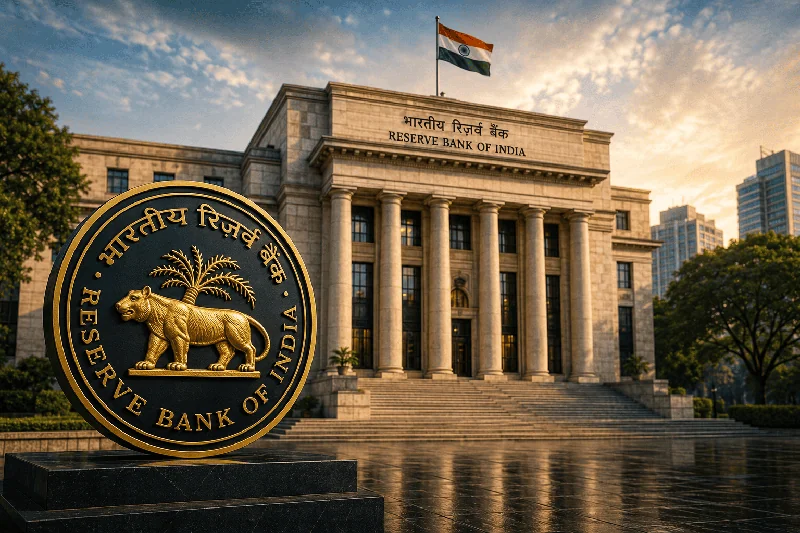
- RBI’s Response: The Reserve Bank of India (RBI) cannot ignore global trends. If European and US rates remain high, the RBI may be forced to keep Indian interest rates high to protect the Rupee and prevent excessive capital flight, even if domestic inflation is under control.
Impact on Retail Investors
For the average Indian investor, this move signals a period of volatility. If FIIs continue to withdraw funds, large-cap stocks that are heavily owned by foreign funds could see price corrections. Additionally, those looking for a cut in home loan or car loan interest rates in India might have to wait longer, as the RBI remains on guard against these global inflationary pressures.
The ECB's decision underlines a clear message: the era of cheap money is retreating as geopolitical tensions rewrite the rules of global trade and energy costs.
This article is for informational purposes only and does not constitute financial advice. Investing in securities markets is subject to market risks; please read all related documents carefully before investing.
Some listings may be sponsored and Arth Vani may earn a referral fee. All information is for educational purposes only — verify terms and suitability with the provider before acting. Not financial advice.
Join the Arth Vani channels
Daily news summaries, IPO & market alerts on Telegram and WhatsApp.
Because you read about Stock Market

US Dollar Registers Strongest Monthly Performance Since March Amidst Fed's Inflation Fight
The US dollar recently concluded its strongest monthly performance since March, primarily driven by the Federal Reserve's intensified efforts to combat inflation. This renewed focus has significantly pushed up expectations for future interest rate hikes in the US and consequently increased yields on US government bonds, making the dollar more attractive to investors.

Australian Private Credit Woes Reignite Global 'Gating' Concerns
Money managers in Australia have recently blocked investors from withdrawing funds from private credit investments, causing a fresh jolt to the global industry. This development adds to existing concerns about 'gating,' where access to invested capital is restricted, a phenomenon that has already impacted markets this year.

Sensex, Nifty Rise Today; Top Gainers Noted on BSE Barometer
India's benchmark indices, the Sensex and Nifty, closed today's trading session higher. The BSE Barometer also highlighted several top-performing stocks, contributing to the positive market sentiment.
Related Stories

US Dollar Registers Strongest Monthly Performance Since March Amidst Fed's Inflation Fight
The US dollar recently concluded its strongest monthly performance since March, primarily driven by the Federal Reserve's intensified efforts to combat inflation. This renewed focus has significantly pushed up expectations for future interest rate hikes in the US and consequently increased yields on US government bonds, making the dollar more attractive to investors.

Australian Private Credit Woes Reignite Global 'Gating' Concerns
Money managers in Australia have recently blocked investors from withdrawing funds from private credit investments, causing a fresh jolt to the global industry. This development adds to existing concerns about 'gating,' where access to invested capital is restricted, a phenomenon that has already impacted markets this year.
Sensex, Nifty Rise Today; Top Gainers Noted on BSE Barometer
India's benchmark indices, the Sensex and Nifty, closed today's trading session higher. The BSE Barometer also highlighted several top-performing stocks, contributing to the positive market sentiment.

US Riskiest Corporate Bonds Turn 'Distressed' with 1,000 BPS Spread, First Time Since 2023 Bank Crisis
The yield spread on the riskiest US corporate bonds has surged past 1,000 basis points over US Treasuries, signaling their 'distressed' status. This critical level, last seen during the 2023 regional banking crisis, implies a high probability of default or restructuring for these companies. While a US event, it offers a crucial global market health indicator for Indian investors.