India's Growth Hits 7/10 but Hidden Economic Cracks Worry Experts
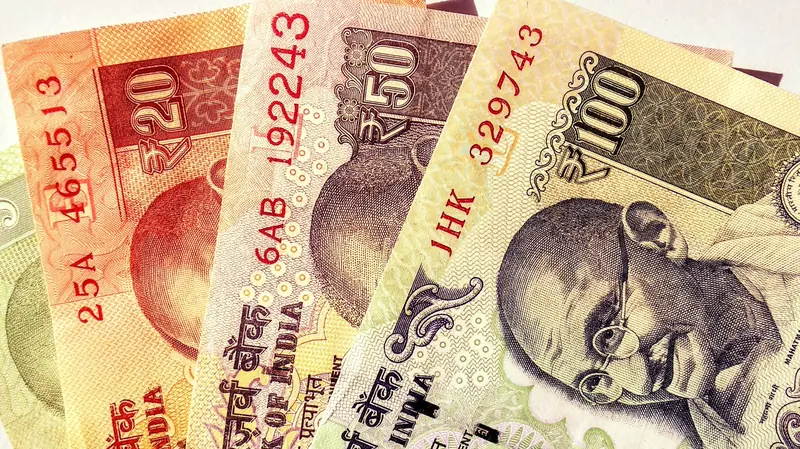
Source: Economictimes
Arth Insight · What this means for your wallet
- Your job security and salary growth could be at risk if the economy doesn't create enough new jobs for the middle class.
- Your investments might not grow as fast if corporate profits are only driven by a small segment of wealthy consumers.
- The cost of living could continue to rise without matching wage increases, squeezing your household budget.
While India's GDP figures appear robust, economists warn that the quality of growth remains fragile due to weak domestic demand and lagging private investment. Experts suggest that without a shift toward manufacturing and innovation, the middle class may face long-term stagnation.
- ▸Current economic growth is largely fueled by wealthy consumers and services exports rather than broad-based demand.
- ▸Private companies are still hesitant to invest heavily in new projects, which limits future job creation.
- ▸A lack of focus on R&D and manufacturing could lead to the 'middle-income trap' where income growth plateaus.
- ▸Sustainable prosperity for the middle class depends on a shift toward high-value production and stronger domestic spending.
- ✓Current economic growth is largely fueled by wealthy consumers and services exports rather than broad-based demand.
- ✓Private companies are still hesitant to invest heavily in new projects, which limits future job creation.
- ✓A lack of focus on R&D and manufacturing could lead to the 'middle-income trap' where income growth plateaus.
- ✓Sustainable prosperity for the middle class depends on a shift toward high-value production and stronger domestic spending.
The High Growth Paradox
India is currently being hailed as a bright spot in the global economy, scoring a solid 6 to 7 out of 10 on growth durability according to Aurodeep Nandi, an economist at Nomura. However, a closer look at the data reveals that this momentum may be resting on thin ice. While the headline GDP numbers look impressive, they mask structural weaknesses that could impact the financial security of Indian households in the coming decade.
The 'Middle-Income Trap' Risk
The primary concern raised by experts is the risk of India falling into a 'middle-income trap.' This occurs when a country grows to a certain level but gets stuck there because it cannot transition from being a low-cost producer to a high-value innovator. Currently, India’s growth is heavily driven by top-tier consumption—essentially the wealthiest segment of society spending on luxury goods and services—and the export of high-end services like IT.
For the average retail investor and middle-class family, this is a worrying trend. If growth does not trickle down to broader domestic demand, the job market remains tight and wage growth for the masses remains stagnant.
Why Private Investment is Lagging
Despite various government incentives, the two main engines of long-term prosperity are currently sputtering:
- Private Investment: Corporate India remains cautious about building new factories and expanding operations, preferring to wait for clearer signs of sustained consumer demand.
- Manufacturing: While the 'Make in India' initiative is active, the manufacturing sector is not yet creating the volume of blue-collar jobs needed to move millions out of low-productivity agriculture.
The Path to Durability
To move from a 7/10 to a perfect score, the Indian economy requires a structural shift. This involves significant investment in Research and Development (R&D) to ensure Indian products can compete globally on quality, not just price. Furthermore, boosting domestic demand is essential. When the middle class has more disposable income to spend, businesses feel more confident investing in the future, creating a virtuous cycle of growth, jobs, and rising household wealth.
Investment in securities market are subject to market risks. Read all the related documents carefully before investing. This article is for informational purposes only and does not constitute financial advice.
Some listings may be sponsored and Arth Vani may earn a referral fee. All information is for educational purposes only — verify terms and suitability with the provider before acting. Not financial advice.
Join the Arth Vani channels
Daily news summaries, IPO & market alerts on Telegram and WhatsApp.
Because you read about Stock Market

Sensex, Nifty Close Lower as IT and Banking Sectors Limit Declines
Indian benchmark indices, Sensex and Nifty, concluded the trading day in negative territory. However, a degree of resilience from the Information Technology (IT) and banking sectors played a role in mitigating the broader market's losses.
 IPOBreaking
Hero Motors IPO Price Band: Early Investors Face Significant Losses
Investors who bought Hero Motors' unlisted shares at ₹300 are now facing substantial losses as the company's Initial Public Offering (IPO) is priced in the range of ₹79-84 per share. This significant price difference highlights the speculative nature and risks associated with investing in the unlisted market.

Nifty Closes Above 23,300 While Sensex Edges Lower in Recent Session
The Nifty 50 index concluded a recent trading session above the 23,300 mark, indicating positive momentum for the broader market. Simultaneously, the BSE Sensex recorded a marginal decline, suggesting cautious investor sentiment or profit-booking in some segments.
Related Stories

Sensex, Nifty Close Lower as IT and Banking Sectors Limit Declines
Indian benchmark indices, Sensex and Nifty, concluded the trading day in negative territory. However, a degree of resilience from the Information Technology (IT) and banking sectors played a role in mitigating the broader market's losses.
 IPOBreaking
Hero Motors IPO Price Band: Early Investors Face Significant Losses
Investors who bought Hero Motors' unlisted shares at ₹300 are now facing substantial losses as the company's Initial Public Offering (IPO) is priced in the range of ₹79-84 per share. This significant price difference highlights the speculative nature and risks associated with investing in the unlisted market.

Nifty Closes Above 23,300 While Sensex Edges Lower in Recent Session
The Nifty 50 index concluded a recent trading session above the 23,300 mark, indicating positive momentum for the broader market. Simultaneously, the BSE Sensex recorded a marginal decline, suggesting cautious investor sentiment or profit-booking in some segments.

Indian Broad Market Indices See Mixed Performance Today
Indian stock market indices displayed a mixed performance today, indicating varied movements across different sectors and stocks. This suggests a lack of uniform direction in the broader market, with some segments gaining while others declined.