Rupee Holds Steady Amid Global Turmoil: What It Means for Your Expenses

Source: Economictimes
Arth Insight · What this means for your wallet
- The rupee stayed stable despite rising Middle East tensions and oil price swings.
- RBI intervention likely prevented the currency from losing significant value against the dollar.
- A steady currency helps prevent price hikes in imported goods like electronics and fuel.
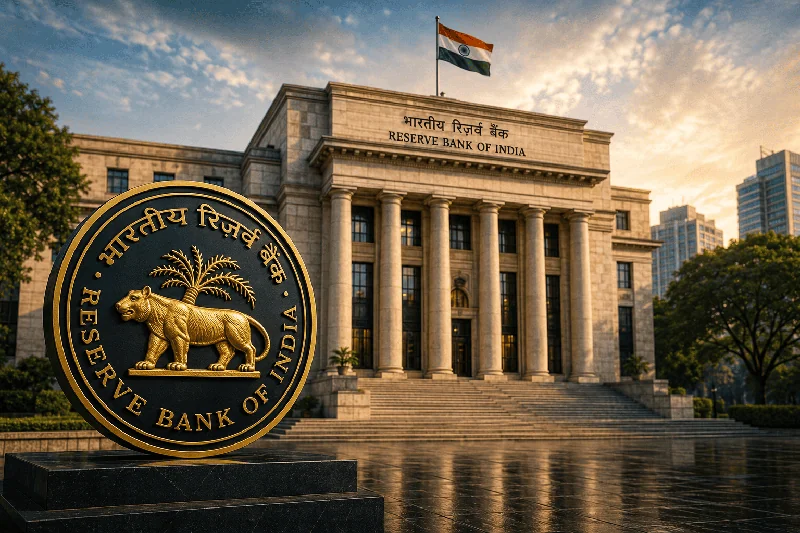
The Indian rupee remained largely stable on Wednesday despite volatile global oil prices and rising tensions in the Middle East. Strategic intervention by the Reserve Bank of India helped prevent a sharp decline, protecting domestic consumers from immediate spikes in import costs.
- ▸The rupee stayed stable despite rising Middle East tensions and oil price swings.
- ▸RBI intervention likely prevented the currency from losing significant value against the dollar.
- ▸A steady currency helps prevent price hikes in imported goods like electronics and fuel.
- ▸Market focus now shifts to upcoming US inflation data for future trends.
- ✓The rupee stayed stable despite rising Middle East tensions and oil price swings.
- ✓RBI intervention likely prevented the currency from losing significant value against the dollar.
- ✓A steady currency helps prevent price hikes in imported goods like electronics and fuel.
- ✓Market focus now shifts to upcoming US inflation data for future trends.
Stability Amid Global Fluctuations
The Indian rupee remained nearly flat during Wednesday’s trading session, demonstrating resilience even as international markets faced significant volatility. While global factors like fluctuating crude oil prices and increased demand for the US dollar exerted pressure, the local currency held its ground, ending the day with minimal changes.
The RBI’s Role in Protecting the Rupee
Market observers noted that the Reserve Bank of India (RBI) likely stepped in to provide support. By intervening in the foreign exchange market, the central bank helps prevent sudden, sharp movements in the rupee's value. This stability is crucial for the Indian economy, as it provides a predictable environment for both businesses and retail consumers.
Why a Stable Rupee Matters to You
For the average Indian consumer, the rupee's exchange rate is more than just a financial statistic; it directly impacts daily living costs. A stable rupee serves as a shield against 'imported inflation.' When the rupee weakens, it becomes more expensive for India to buy goods from abroad, which often leads to price hikes in several key areas:
- Electronics and Gadgets: Most components for smartphones, laptops, and appliances are imported. A steady currency prevents these items from becoming suddenly more expensive.
- Fuel Prices: Since India imports the majority of its crude oil, a crash in the rupee would lead to higher petrol and diesel prices at the pump.
- Foreign Education: For students planning to study abroad, a stable rupee makes it easier to plan for tuition fees and living expenses without fear of a sudden budget blowout.
Eyes on Global Cues
Current geopolitical tensions in the Middle East have added a layer of uncertainty to global markets, causing investors to be cautious. Furthermore, the market is now waiting for upcoming inflation data from the United States. These figures will likely influence the future direction of the US dollar, which in turn will dictate how the rupee performs in the coming weeks. For now, the RBI’s active management continues to offer a buffer against these international shocks.
This report is for informational purposes only and does not constitute financial advice; currency markets involve inherent risks.
Some listings may be sponsored and Arth Vani may earn a referral fee. All information is for educational purposes only — verify terms and suitability with the provider before acting. Not financial advice.
Join the Arth Vani channels
Daily news summaries, IPO & market alerts on Telegram and WhatsApp.
Because you read about Stock Market

Starbucks Faces Customer Backlash Over New Chai Recipe
Starbucks is reportedly experiencing a 'revolt' from its most loyal customers following a change in its popular chai recipe. Specific details about the recipe alteration or the extent of the customer dissatisfaction are not available in the provided information.
 New LaunchBreaking
Sebi to Deliberate New Fund Siphoning Settlement Framework on Sept 24
India's market regulator, Sebi, is set to consider a new framework for settling fund siphoning cases, allowing offenders to return misappropriated funds with interest and make disclosures. This move aims to create a more practical and effective enforcement structure.

Japanese Yen Faces Weakness Amid Holiday Liquidity Drop, BOJ Disappointment
The Japanese Yen is expected to be vulnerable to further declines next week, primarily due to a three-day holiday in Japan reducing market liquidity and investor disappointment over the Bank of Japan's cautious stance on future interest rate hikes.
Related Stories

Starbucks Faces Customer Backlash Over New Chai Recipe
Starbucks is reportedly experiencing a 'revolt' from its most loyal customers following a change in its popular chai recipe. Specific details about the recipe alteration or the extent of the customer dissatisfaction are not available in the provided information.
 New LaunchBreaking
Sebi to Deliberate New Fund Siphoning Settlement Framework on Sept 24
India's market regulator, Sebi, is set to consider a new framework for settling fund siphoning cases, allowing offenders to return misappropriated funds with interest and make disclosures. This move aims to create a more practical and effective enforcement structure.

Japanese Yen Faces Weakness Amid Holiday Liquidity Drop, BOJ Disappointment
The Japanese Yen is expected to be vulnerable to further declines next week, primarily due to a three-day holiday in Japan reducing market liquidity and investor disappointment over the Bank of Japan's cautious stance on future interest rate hikes.

Global Oil Prices Steady as Markets Weigh Middle East Supply Risks and Diplomacy
Crude oil prices have stabilized as traders balance the risk of supply disruptions in the Middle East against ongoing diplomatic efforts to resolve regional conflicts. The market remains on edge as the situation between the US and Iran continues to influence global energy sentiment.