PSU Bank Stocks Tumble Up to 21%: Opportunity or Value Trap for Retail Investors?

Source: Economictimes
Arth Insight · What this means for your wallet
- State-run bank stocks have entered a correction phase, falling significantly from their recent record highs. While the RBI's latest policy moves aim to boost th
State-run bank stocks have entered a correction phase, falling significantly from their recent record highs. While the RBI's latest policy moves aim to boost the sector, market experts advise a selective approach focusing on lenders with strong financial foundations.
Public Sector Undertaking (PSU) bank stocks, which were the darlings of the Indian stock market earlier this year, are currently facing a reality check. Several major lenders, including State Bank of India (SBI) and Punjab National Bank (PNB), have seen their share prices tumble by as much as 21% from their recent all-time highs. This sharp correction has left retail investors questioning whether this is a golden buying opportunity or a sign of deeper trouble.
Why are PSU Banks Sliding?
After a stellar rally driven by improved balance sheets and credit growth, the sector is witnessing a cooling-off period. Profit booking by large institutional investors and broader market volatility have contributed to the double-digit decline in stock prices. While the fundamental health of these banks remains stable compared to previous years, the rapid ascent in their valuations had made them susceptible to such pullbacks.
The RBI’s Supportive Stance
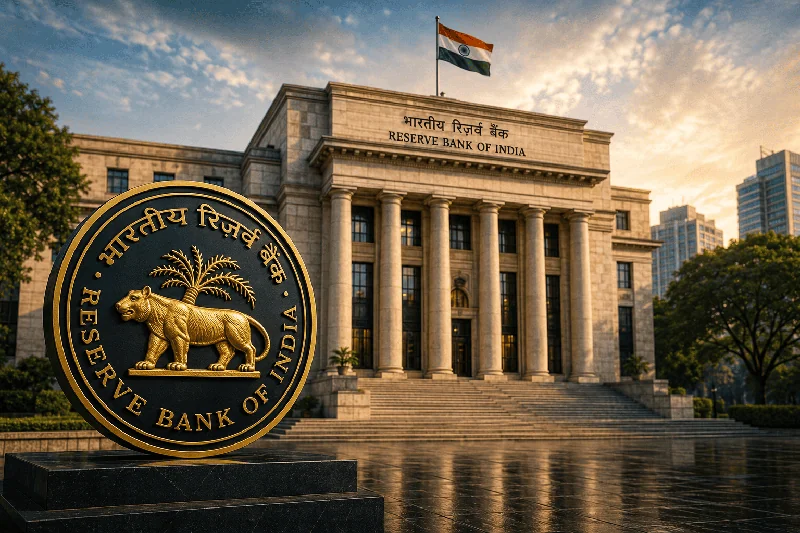
Despite the current market gloom, the Reserve Bank of India (RBI) has introduced measures that could provide a long-term cushion for the banking sector. The central bank has moved to attract more foreign investment into government securities. Analysts believe these steps are strategically positive for PSU banks because:
- Increased foreign fund flow into government bonds can help stabilize interest rates.
- Banks, being the largest holders of these securities, stand to benefit from improved valuation of their bond portfolios.
- Enhanced liquidity in the debt market generally eases the cost of borrowing for the banking system.
Expert Take: Buy the Dip or Wait?
Market veterans suggest that while the 21% drop makes these stocks look attractive, a 'blanket buy' approach should be avoided. The current market environment requires a focus on 'quality over quantity.' Investors are advised to look for banks that possess:
- High Provision Coverage Ratio (PCR) to manage potential bad loans.
- Consistent credit growth despite fluctuating interest rates.
- Manageable Net Non-Performing Assets (NNPA) levels.
For a retail investor, the current correction offers a chance to accumulate shares of top-tier PSU banks at a discount. However, instead of deploying all capital at once, a staggered investment approach may be wiser to hedge against further short-term volatility in the equity markets.
Investment in securities market are subject to market risks. Read all the related documents carefully before investing. This content is for informational purposes only and does not constitute financial advice.
Some listings may be sponsored and Arth Vani may earn a referral fee. All information is for educational purposes only — verify terms and suitability with the provider before acting. Not financial advice.
Join the Arth Vani channels
Daily news summaries, IPO & market alerts on Telegram and WhatsApp.
Because you read about Stock Market

Indian Broad Market Indices See Mixed Performance Today
Indian stock market indices displayed a mixed performance today, indicating varied movements across different sectors and stocks. This suggests a lack of uniform direction in the broader market, with some segments gaining while others declined.
 Breaking
Record Thursday: Six IPOs Debut on Indian Stock Market in Unprecedented Rush
Thursday marked a significant day for India's primary market, with six Initial Public Offerings (IPOs) making their debut on the stock exchanges. This simultaneous listing spree set a new record for the highest number of companies going public on a single day, signaling robust activity and investor interest.

Jeffrey Gundlach Warns US Fiscal Crisis Could Disrupt Bond 'Safe Haven' Status
Jeffrey Gundlach, CEO of DoubleLine Capital, has warned that the next US economic downturn could trigger a significant debt crisis, leading to a sharp rise in long-term US Treasury yields. This projection defies the long-held belief that bonds consistently act as a safe haven during periods of economic instability. Such an event could have ripple effects on global financial markets, including those in India.
Related Stories

Indian Broad Market Indices See Mixed Performance Today
Indian stock market indices displayed a mixed performance today, indicating varied movements across different sectors and stocks. This suggests a lack of uniform direction in the broader market, with some segments gaining while others declined.
 Breaking
Record Thursday: Six IPOs Debut on Indian Stock Market in Unprecedented Rush
Thursday marked a significant day for India's primary market, with six Initial Public Offerings (IPOs) making their debut on the stock exchanges. This simultaneous listing spree set a new record for the highest number of companies going public on a single day, signaling robust activity and investor interest.

Jeffrey Gundlach Warns US Fiscal Crisis Could Disrupt Bond 'Safe Haven' Status
Jeffrey Gundlach, CEO of DoubleLine Capital, has warned that the next US economic downturn could trigger a significant debt crisis, leading to a sharp rise in long-term US Treasury yields. This projection defies the long-held belief that bonds consistently act as a safe haven during periods of economic instability. Such an event could have ripple effects on global financial markets, including those in India.

Anthropic Reveals 3 Key Metrics for Tracking AI Development & Oversight
AI leader Anthropic has shared three crucial metrics it uses internally to monitor the pace and direction of its artificial intelligence development. These indicators track AI-led research, the oversight of AI agents, and the company's compute resource allocation. This approach offers insight into how major AI companies manage their rapid technological advancements.