Wipro’s ₹15,000 Crore Buyback Starts Tomorrow: Is This Your Exit Opportunity?
Source: Economictimes
Arth Insight · What this means for your wallet
- You might sell your Wipro shares at ₹250 each, potentially higher than current market prices, securing an immediate profit.
- Participation in the buyback can be a tax-efficient way to return cash to you compared to receiving dividends.
- As a small investor (shares worth less than ₹2 lakh), you have a higher chance of your shares being accepted in the buyback.
IT major Wipro is launching its massive share buyback program on June 11, offering to purchase shares at ₹250 each. The program includes a reserved category for small investors, providing a chance to sell shares at a significant premium over current market prices.
- ▸Wipro is buying back shares at a fixed price of ₹250 each starting June 11.
- ▸Small investors get a dedicated quota, increasing their chances of a successful sale.
- ▸The window to tender shares is short, closing on June 17.
- ▸Promoters will also participate in the buyback alongside public shareholders.
- ✓Wipro is buying back shares at a fixed price of ₹250 each starting June 11.
- ✓Small investors get a dedicated quota, increasing their chances of a successful sale.
- ✓The window to tender shares is short, closing on June 17.
- ✓Promoters will also participate in the buyback alongside public shareholders.
Wipro, one of India’s leading software service providers, is set to open its ₹15,000 crore share buyback window tomorrow, June 11. This move is designed to return surplus cash to shareholders and improve the company's overall value on the stock exchange. The buyback period will remain open for one week, concluding on June 17.
The Offer Price and Premium
Wipro has fixed the buyback price at ₹250 per share. For many retail investors, this represents a significant premium compared to recent trading prices. By opting for a buyback, the company effectively reduces the total number of shares available in the market, which can lead to an increase in earnings per share (EPS) over the long term.
Special Quota for Small Shareholders
Following market regulations, a specific portion of the buyback is reserved for small shareholders. This 'Retail Quota' is beneficial for individual investors who hold shares worth less than ₹2 lakh. Because of this reservation, small investors often have a higher 'acceptance ratio'—the likelihood that the company will actually buy the shares they offer—compared to large institutional investors.
Why is Wipro doing this?
Companies typically launch buybacks when they have significant cash reserves on their balance sheet and believe their stock is undervalued. By buying back its own stock, Wipro aims to:
- Return excess cash to its shareholders in a tax-efficient manner.
- Improve financial ratios like Return on Equity (RoE).
- Signal confidence in the company’s future growth prospects.
Participation from Promoters
It is important to note that the company's promoters have also expressed their intention to participate in this buyback. While this means the promoters will also be selling some of their holdings back to the company, it is a standard practice in large-scale buybacks of this nature. Investors interested in participating should contact their brokers or use their online trading platforms to 'tender' their shares before the June 17 deadline.
Investment in securities market are subject to market risks. Read all the related documents carefully before investing. This content is for informational purposes only and does not constitute financial advice.
Some listings may be sponsored and Arth Vani may earn a referral fee. All information is for educational purposes only — verify terms and suitability with the provider before acting. Not financial advice.
Join the Arth Vani channels
Daily news summaries, IPO & market alerts on Telegram and WhatsApp.
Because you read about Stock Market

Global Oil Prices Steady as Markets Weigh Middle East Supply Risks and Diplomacy
Crude oil prices have stabilized as traders balance the risk of supply disruptions in the Middle East against ongoing diplomatic efforts to resolve regional conflicts. The market remains on edge as the situation between the US and Iran continues to influence global energy sentiment.
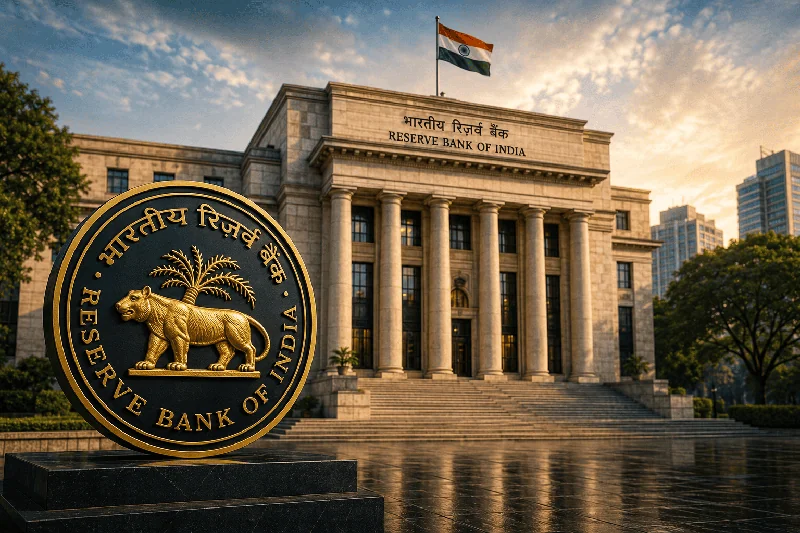
Sensex, Nifty Close Lower as IT and Banking Sectors Limit Declines
Indian benchmark indices, Sensex and Nifty, concluded the trading day in negative territory. However, a degree of resilience from the Information Technology (IT) and banking sectors played a role in mitigating the broader market's losses.
 IPOBreaking
Hero Motors IPO Price Band: Early Investors Face Significant Losses
Investors who bought Hero Motors' unlisted shares at ₹300 are now facing substantial losses as the company's Initial Public Offering (IPO) is priced in the range of ₹79-84 per share. This significant price difference highlights the speculative nature and risks associated with investing in the unlisted market.
Related Stories

Global Oil Prices Steady as Markets Weigh Middle East Supply Risks and Diplomacy
Crude oil prices have stabilized as traders balance the risk of supply disruptions in the Middle East against ongoing diplomatic efforts to resolve regional conflicts. The market remains on edge as the situation between the US and Iran continues to influence global energy sentiment.

Sensex, Nifty Close Lower as IT and Banking Sectors Limit Declines
Indian benchmark indices, Sensex and Nifty, concluded the trading day in negative territory. However, a degree of resilience from the Information Technology (IT) and banking sectors played a role in mitigating the broader market's losses.
 IPOBreaking
Hero Motors IPO Price Band: Early Investors Face Significant Losses
Investors who bought Hero Motors' unlisted shares at ₹300 are now facing substantial losses as the company's Initial Public Offering (IPO) is priced in the range of ₹79-84 per share. This significant price difference highlights the speculative nature and risks associated with investing in the unlisted market.

Nifty Closes Above 23,300 While Sensex Edges Lower in Recent Session
The Nifty 50 index concluded a recent trading session above the 23,300 mark, indicating positive momentum for the broader market. Simultaneously, the BSE Sensex recorded a marginal decline, suggesting cautious investor sentiment or profit-booking in some segments.