RBI Proposes New Data Safety Rules for Banks and NBFCs to Protect Customer Info

Source: ET Banking
Arth Insight · What this means for your wallet
- Reduces the risk of financial fraud and unauthorized transactions on your bank accounts.
- Ensures more accurate credit scores, preventing you from being wrongly denied loans or charged higher interest rates.
- Forces banks to be more accountable, meaning fewer technical glitches and faster resolution of data-related disputes.
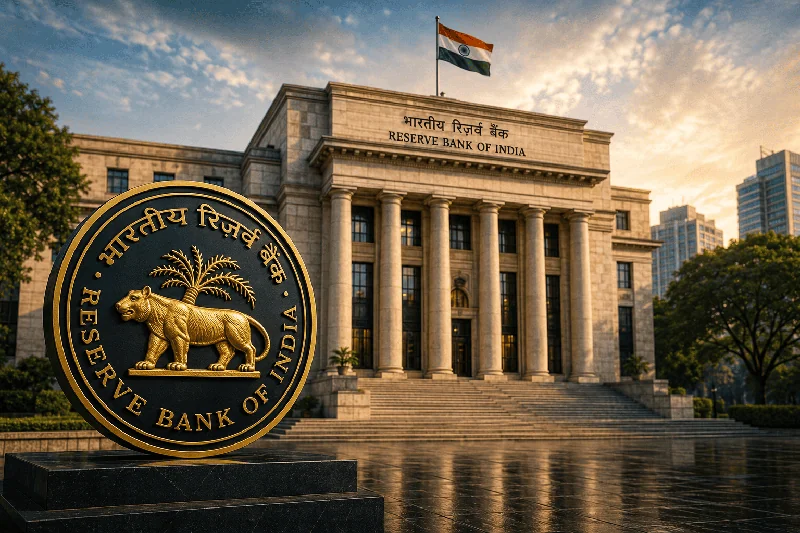
The Reserve Bank of India (RBI) has introduced a draft framework to tighten how banks and NBFCs manage and secure customer data. The move aims to improve data accuracy and security through board-level oversight and strict lifecycle controls.
- ▸The RBI is introducing stricter rules for how banks and NBFCs manage customer data.
- ▸A board-level committee will now be responsible for data safety and accuracy.
- ▸The framework aims to reduce risks like data breaches and incorrect financial reporting.
- ▸Public and stakeholder feedback is open until August 17.
- ✓The RBI is introducing stricter rules for how banks and NBFCs manage customer data.
- ✓A board-level committee will now be responsible for data safety and accuracy.
- ✓The framework aims to reduce risks like data breaches and incorrect financial reporting.
- ✓Public and stakeholder feedback is open until August 17.
The Reserve Bank of India (RBI) has taken a significant step toward securing the digital footprint of Indian consumers by proposing a comprehensive data governance framework. This new set of guidelines is designed to ensure that financial institutions, including commercial banks and Non-Banking Financial Companies (NBFCs), handle customer information with the highest levels of accuracy, security, and accountability.
Why This Matters for You
In an era where digital banking is the norm, your personal and financial data is constantly being processed. The RBI’s proposed framework focuses on 'data risk management,' which essentially means preventing data leaks, reducing errors in your credit profiles, and ensuring that the information banks hold about you is 'fit for purpose.' By implementing robust data lifecycle controls, the RBI wants to ensure your data is protected from the moment it is collected until it is eventually deleted.
Board-Level Accountability
One of the standout features of this proposal is the shift in responsibility. The RBI has suggested that a board-level committee should oversee data governance policies. This means that the senior-most leadership of a bank or NBFC will be directly responsible for how your data is managed. This move is expected to move data security from being a mere IT department task to a core business priority.
Key Objectives of the Framework
- Data Accuracy: Ensuring that the information used for loan approvals or credit scoring is correct and updated.
- Security: Strengthening the technical safeguards to prevent unauthorized access or cyber-attacks.
- Lifecycle Management: Defining clear rules on how data is stored, used, and disposed of by financial entities.
The central bank has invited stakeholders and the general public to provide feedback on these draft guidelines by August 17. Once finalized, these rules will set a new benchmark for privacy and operational safety in the Indian financial sector.
This article is for informational purposes only and does not constitute legal or financial advice.
Loan interest rates, processing fees and eligibility are set by the lender and subject to credit approval — verify current terms before applying. Some listings may be sponsored. Not financial advice.
Frequently Asked Questions
How does this RBI proposal benefit me as a bank customer?
It ensures that your personal and financial information is handled more securely, reducing the risk of data leaks and ensuring that your records (like credit scores) are accurate.
Which institutions will have to follow these new data rules?
The framework applies to all regulated entities, including commercial banks, NBFCs, and other major financial institutions in India.
What is 'data lifecycle management' in this context?
It refers to the strict controls a bank must have in place at every stage of your data's existence—from collection and storage to usage and eventual deletion.
Join the Arth Vani channels
Daily news summaries, IPO & market alerts on Telegram and WhatsApp.
Because you read about NBFCs

Tata Sons Merger Proposal Faces Scrutiny from Tata Trusts Trustees
A proposed merger of Tata Sons, the holding company for the Tata Group, is reportedly facing questions from the trustees of Tata Trusts. This development could impact the future structure and operations of one of India's largest conglomerates.
Bajaj Finance Boosts Financial Literacy & Cyber Safety for Tribal and Migrant Workers in Kodagu
Bajaj Finance has launched a new initiative in Kodagu, Karnataka, to provide essential financial literacy and cyber fraud awareness programs. The program targets tribal communities and migrant workers, aiming to empower them with critical knowledge for better financial decision-making and protection against digital scams.

Sagarmala Finance Pulls ₹600 Crore Blue Bond Issue Amidst High Interest Demands
Sagarmala Finance has withdrawn its planned ₹600 crore blue bond issue, citing higher-than-expected interest rates demanded by investors. This strategic decision reflects the company's assessment that the borrowing costs were too high for the planned project funding.
Related Stories

Tata Sons Merger Proposal Faces Scrutiny from Tata Trusts Trustees
A proposed merger of Tata Sons, the holding company for the Tata Group, is reportedly facing questions from the trustees of Tata Trusts. This development could impact the future structure and operations of one of India's largest conglomerates.

Bajaj Finance Boosts Financial Literacy & Cyber Safety for Tribal and Migrant Workers in Kodagu
Bajaj Finance has launched a new initiative in Kodagu, Karnataka, to provide essential financial literacy and cyber fraud awareness programs. The program targets tribal communities and migrant workers, aiming to empower them with critical knowledge for better financial decision-making and protection against digital scams.

Sagarmala Finance Pulls ₹600 Crore Blue Bond Issue Amidst High Interest Demands
Sagarmala Finance has withdrawn its planned ₹600 crore blue bond issue, citing higher-than-expected interest rates demanded by investors. This strategic decision reflects the company's assessment that the borrowing costs were too high for the planned project funding.

Fab Capital Facilitates Over ₹40 Crore Monthly Debt for Indian Businesses, Boosts Access to Funding
Fab Capital, a platform connecting Indian businesses with lenders, has facilitated over ₹40 crore in debt financing every month. This highlights the growing role of such platforms in providing crucial capital solutions and expanding access to funding for businesses across the country.