Moneymaxxing: A 'Cultural Shift' for Financial Security Amid Rising Costs
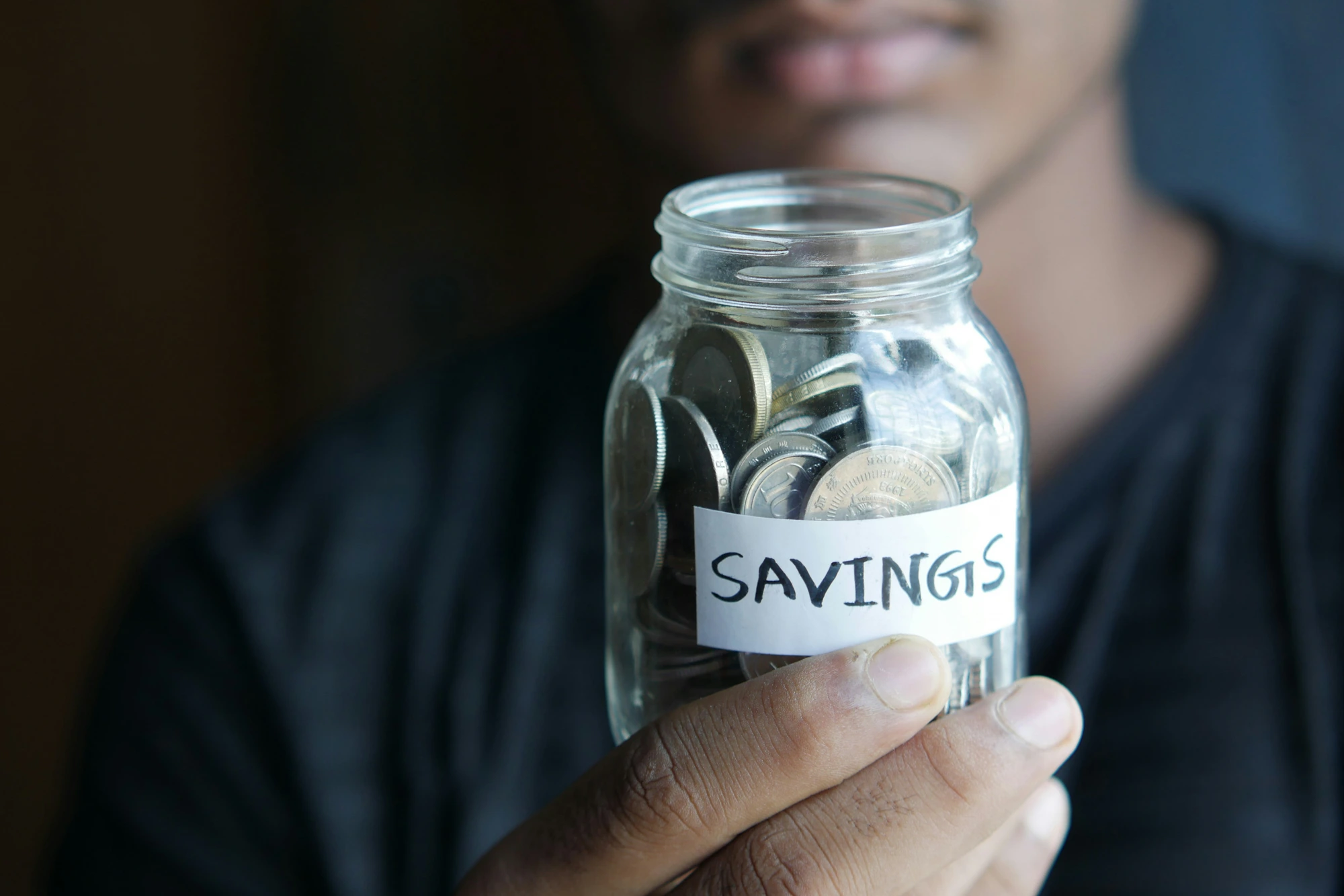
Source: CNBC (Global)
Arth Insight · What this means for your wallet
- Moneymaxxing is a proactive approach to managing your finances for long-term security.
- It involves continuously optimising income, expenses, savings, and investments.
- This strategy is particularly relevant for Indian readers facing rising living costs and seeking financial control.
Social media's viral 'moneymaxxing' is evolving from a mere trend into a significant cultural shift aimed at achieving long-term financial security. This approach encourages individuals to proactively optimise their financial habits, particularly in response to current affordability challenges.
- ▸Moneymaxxing is a proactive approach to managing your finances for long-term security.
- ▸It involves continuously optimising income, expenses, savings, and investments.
- ▸This strategy is particularly relevant for Indian readers facing rising living costs and seeking financial control.
- ▸Start by assessing your finances, cutting unnecessary expenses, and exploring smarter saving and investment options.
- ✓Moneymaxxing is a proactive approach to managing your finances for long-term security.
- ✓It involves continuously optimising income, expenses, savings, and investments.
- ✓This strategy is particularly relevant for Indian readers facing rising living costs and seeking financial control.
- ✓Start by assessing your finances, cutting unnecessary expenses, and exploring smarter saving and investment options.
In an era marked by an ongoing affordability crunch, a concept popularized on social media platforms, known as 'moneymaxxing,' is being recognized as more than just a fleeting trend. A financial advisor highlights that 'moneymaxxing' represents a fundamental 'cultural shift' towards securing one's financial future.
This evolving mindset emphasizes active and continuous optimization of personal finances to navigate economic pressures and build lasting wealth. The core idea behind 'moneymaxxing' is to maximise every aspect of one's financial life, from income generation to expense management and investment returns, thereby leading to enhanced financial security over the long term.
Understanding the 'Moneymaxxing' Mindset
For Indian retail readers grappling with rising living costs, 'moneymaxxing' offers a proactive framework. It goes beyond traditional budgeting, advocating for a holistic approach to money management that seeks efficiency and growth at every turn. This includes scrutinizing expenditures, identifying opportunities for savings, optimising debt, and strategically growing investments.
The 'cultural shift' aspect suggests that people are increasingly moving away from passive financial management towards a more engaged and strategic posture. This shift is driven by a desire for greater control over one's financial destiny, especially when external economic conditions can feel uncertain.
How to Begin Your 'Moneymaxxing' Journey
Embarking on 'moneymaxxing' doesn't require drastic measures overnight but rather a systematic approach to improving financial health:
- Assess Your Current Financial Standing: Begin by thoroughly understanding your income, expenses, assets, and liabilities. This provides a clear picture of where your money is going and where it's currently held.
- Optimise Spending: Review your monthly expenditures to identify areas where costs can be reduced without significantly impacting your quality of life. This could involve renegotiating utility bills, cancelling unused subscriptions, or finding more cost-effective alternatives for daily necessities.
- Enhance Savings: Automate savings transfers to ensure a consistent build-up of your emergency fund and other financial goals. Explore high-interest savings options or short-term deposits to maximise returns on idle cash.
- Strategic Investing: Learn about various investment avenues suitable for your risk appetite, such as mutual funds (equity, debt, hybrid), Public Provident Fund (PPF), National Pension System (NPS), or even direct equities. The goal is to ensure your money is working as hard as possible to beat inflation and achieve growth.
- Debt Management: Prioritise paying off high-interest debts like credit card outstanding or personal loans. Strategies like the snowball or avalanche method can accelerate debt repayment and free up funds for saving and investing.
- Increase Income Streams: Consider opportunities to supplement your primary income, such as freelancing, starting a side business, or skill development to command a higher salary in your current profession.
This philosophy resonates strongly with Indian households keen on securing their future amidst fluctuating economic landscapes. By adopting a 'moneymaxxing' approach, individuals can move towards greater financial resilience and achieve their long-term financial aspirations.
This article is for informational purposes only and does not constitute financial advice. Please consult a qualified financial advisor for personalized guidance.
Some listings may be sponsored and Arth Vani may earn a referral fee. All information is for educational purposes only — verify terms and suitability with the provider before acting. Not financial advice.
Frequently Asked Questions
What is 'moneymaxxing'?
'Moneymaxxing' is a comprehensive approach to personal finance that involves actively optimising every aspect of your financial life—from spending and saving to investing and income generation—to achieve long-term financial security.
Why is 'moneymaxxing' considered a 'cultural shift'?
It's seen as a cultural shift because it signifies a widespread move from passive money management to a more engaged, strategic, and proactive mindset, driven by the desire to gain financial control amid economic uncertainties and rising costs.
How can an Indian retail reader start 'moneymaxxing'?
You can start by evaluating your current income and expenses, identifying areas to reduce costs, automating savings, exploring suitable investment options like mutual funds or PPF, and strategically managing any existing debts.
Join the Arth Vani channels
Daily news summaries, IPO & market alerts on Telegram and WhatsApp.
Because you read about Personal Finance
 Breaking
Gen Z Shows Growing Interest in Crypto Investments: What Young Indians Should Know
A recent Livemint report indicates increasing traction for cryptocurrencies among Gen Z investors in India. While the specific details of this trend were not provided in the raw source, it highlights a notable shift in investment preferences among younger demographics. This demographic's digital savviness and openness to new technologies likely fuel their engagement with digital assets.

Charlie Munger Skipped Personal Insurance Due to 'Other Fellow's Frauds'
Legendary investor Charlie Munger, Vice Chairman of Berkshire Hathaway, reportedly chose not to personally hold insurance policies. His unconventional stance was attributed to his belief that individuals end up "paying for the other fellow's frauds." This perspective offers a unique insight into financial planning from a renowned financial figure.

Indian Content Creators Increasingly Seek Equity, Not Just Brand Deals
A global trend shows content creators are moving beyond one-off brand deals to demand equity stakes in companies they promote, signaling a shift towards long-term wealth creation. This evolving monetization model offers creators a share in a brand's growth, impacting India's booming creator economy.
Related Stories
 Breaking
Gen Z Shows Growing Interest in Crypto Investments: What Young Indians Should Know
A recent Livemint report indicates increasing traction for cryptocurrencies among Gen Z investors in India. While the specific details of this trend were not provided in the raw source, it highlights a notable shift in investment preferences among younger demographics. This demographic's digital savviness and openness to new technologies likely fuel their engagement with digital assets.

Charlie Munger Skipped Personal Insurance Due to 'Other Fellow's Frauds'
Legendary investor Charlie Munger, Vice Chairman of Berkshire Hathaway, reportedly chose not to personally hold insurance policies. His unconventional stance was attributed to his belief that individuals end up "paying for the other fellow's frauds." This perspective offers a unique insight into financial planning from a renowned financial figure.

Indian Content Creators Increasingly Seek Equity, Not Just Brand Deals
A global trend shows content creators are moving beyond one-off brand deals to demand equity stakes in companies they promote, signaling a shift towards long-term wealth creation. This evolving monetization model offers creators a share in a brand's growth, impacting India's booming creator economy.
 Breaking
US Retirement Shock: Nearly Half of Americans Have No Savings; A Wake-Up Call for India
A concerning report from Yahoo Finance indicates that nearly 50% of Americans are entering retirement with no savings, highlighting a significant financial vulnerability. This stark reality serves as a crucial warning for Indian retail investors about the universal importance of early and consistent retirement planning.