Fairfax's ₹46,700 Crore IDBI Bank Acquisition: India's Largest Banking M&A Without I-Banks
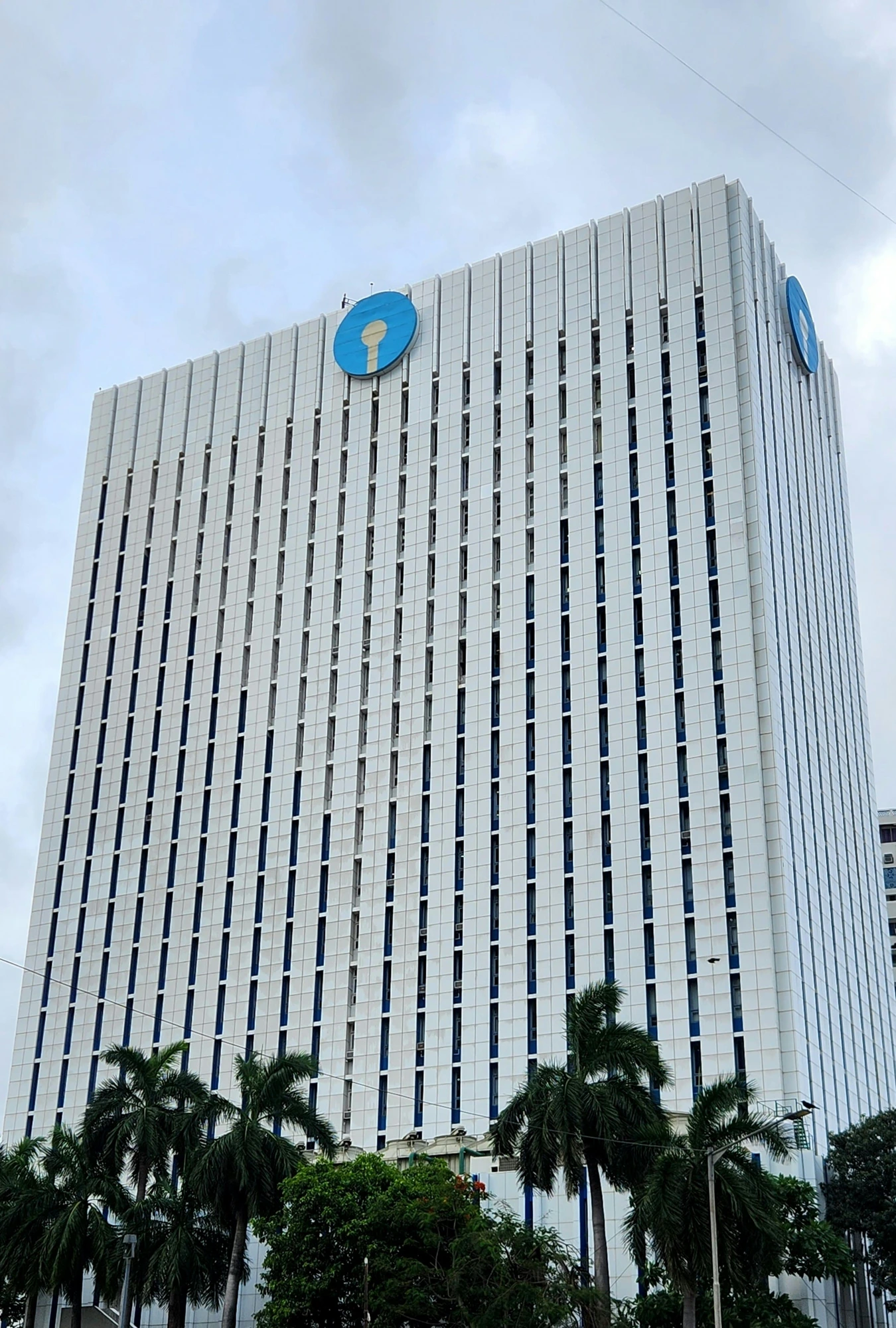
Source: ET Banking
Arth Insight · What this means for your wallet
- Foreign investment in Indian banks like this can make the sector stronger and more competitive, potentially leading to better services and returns on bank-related investments.
- If you are an IDBI Bank customer, this acquisition could lead to improved services, new products, or changes in how the bank operates, impacting your banking experience.
- For investors, this deal signals continued global confidence in India's financial market, which could positively influence the broader stock market and your portfolio.
Fairfax Financial Holdings is set to acquire a controlling stake in IDBI Bank for approximately ₹46,700 crore ($5.6 billion), marking India's largest foreign investment in the banking sector. Notably, this significant transaction proceeded without the involvement of major investment banks, with KPMG advising the government.
- ▸Fairfax Financial Holdings is acquiring a controlling stake in IDBI Bank for approximately ₹46,700 crore.
- ▸This is India's largest foreign investment in the banking sector to date.
- ▸The deal was executed without the involvement of major investment banks, with KPMG advising the government.
- ▸The acquisition signals strong foreign investor confidence in the Indian banking sector.
- ✓Fairfax Financial Holdings is acquiring a controlling stake in IDBI Bank for approximately ₹46,700 crore.
- ✓This is India's largest foreign investment in the banking sector to date.
- ✓The deal was executed without the involvement of major investment banks, with KPMG advising the government.
- ✓The acquisition signals strong foreign investor confidence in the Indian banking sector.
Fairfax Financial Holdings' acquisition of a controlling stake in IDBI Bank for an estimated ₹46,700 crore ($5.6 billion) stands as a landmark deal in India's financial landscape. This transaction is not only the largest foreign investment ever in the country's banking sector but also unique for its execution without the traditional involvement of major investment banks.
The Canadian financial services giant, led by Prem Watsa, is making a substantial bet on the Indian banking sector through this acquisition. The deal highlights a growing trend where large-scale mergers and acquisitions, particularly those involving government divestments, can be structured and executed with a more streamlined approach.
A Unique Transaction Structure
Unlike many high-profile M&A deals that typically involve a multitude of financial advisors and investment bankers, the IDBI Bank acquisition took a different path. Fairfax Financial Holdings and IDBI Bank did not initiate a formal process to appoint financial advisors for the transaction. This suggests a direct negotiation and valuation process, potentially simplifying the deal's structure and reducing associated advisory fees.
The Indian government, as the seller, was advised by KPMG. Additionally, two professional agencies were engaged to assist in determining the fair valuation of the government's stake in IDBI Bank. This multi-agency approach for valuation underscores the government's commitment to transparency and ensuring a fair price for public assets.
Impact on the Indian Banking Sector
This acquisition is expected to bring significant changes to IDBI Bank, potentially enhancing its operational efficiency and market competitiveness. For the broader Indian banking sector, it signals continued interest from foreign investors in India's financial services market, which is seen as having immense growth potential due to a large and underbanked population.
The deal also sets a precedent for future large-scale transactions, demonstrating that complex M&A can be successfully navigated without the full suite of traditional investment banking services. This could influence how similar deals are structured in the future, potentially leading to more cost-effective and direct transaction processes.
What This Means for Retail Investors
- Increased Foreign Investment: This deal underscores the attractiveness of the Indian banking sector to global investors, which could lead to more capital inflows and potentially stronger banks.
- IDBI Bank's Future: With Fairfax at the helm, IDBI Bank could see strategic shifts, improved governance, and a renewed focus on growth, which might impact its stock performance in the long run.
- Market Efficiency: The successful completion of such a large deal without traditional investment bankers suggests a maturing market where direct negotiations and government-appointed advisors can effectively facilitate complex transactions.
This article is for informational purposes only and does not constitute financial or investment advice.
Interest rates, fees and eligibility for banking products are set by the respective banks and change frequently — verify the current terms with the provider before applying. Some listings may be sponsored. Not financial advice.
Frequently Asked Questions
What is the significance of Fairfax's acquisition of IDBI Bank?
This acquisition, valued at approximately ₹46,700 crore ($5.6 billion), is the largest foreign investment in India's banking sector and is notable for being completed without major investment banks.
Who advised the government on the sale of IDBI Bank?
KPMG advised the Indian government on the sale, and two professional agencies helped determine the fair valuation of the government's stake.
How might this deal impact the Indian banking sector?
It signals strong foreign investor interest in India's financial services, potentially leading to more capital inflows and setting a precedent for streamlined M&A processes in the future.
Join the Arth Vani channels
Daily news summaries, IPO & market alerts on Telegram and WhatsApp.
Because you read about Banking
 Breaking
HSBC Deploys Over ₹4,150 Crore From ₹8,300 Crore Startup Fund in India Within a Year
HSBC has committed more than half of its $1 billion (approx. ₹8,300 crore) loan fund to Indian startups within a year of launching its dedicated innovation banking platform. The British lender witnessed strong demand from consumer technology, e-commerce, and enterprise software sectors, indicating a robust appetite for funding in the Indian startup ecosystem.
 Breaking
Yes Bank Faces Significant Capital Reduction After Supreme Court Reverses ₹6,600 Cr AT1 Bond Write-Down
The Supreme Court has reversed the earlier write-down of over $800 million (approximately ₹6,600 crore) in Yes Bank's Additional Tier-1 (AT1) bonds. This ruling could significantly lower the bank's Common Equity Tier-1 (CET1) capital ratio to 11-11.5%, impacting its financial standing.
 Breaking
Supreme Court Orders Yes Bank to Repay ₹8,415 Crore AT1 Bonds
The Supreme Court has upheld the Bombay High Court's decision, mandating Yes Bank to repay ₹8,415 crore in Additional Tier-1 (AT1) bonds. These bonds were controversially written off during the bank's restructuring in 2020. The ruling confirms that the administrator lacked the authority to write down these securities, obligating Yes Bank to repay the bondholders along with accrued interest.
Related Stories
 Breaking
HSBC Deploys Over ₹4,150 Crore From ₹8,300 Crore Startup Fund in India Within a Year
HSBC has committed more than half of its $1 billion (approx. ₹8,300 crore) loan fund to Indian startups within a year of launching its dedicated innovation banking platform. The British lender witnessed strong demand from consumer technology, e-commerce, and enterprise software sectors, indicating a robust appetite for funding in the Indian startup ecosystem.
 Breaking
Yes Bank Faces Significant Capital Reduction After Supreme Court Reverses ₹6,600 Cr AT1 Bond Write-Down
The Supreme Court has reversed the earlier write-down of over $800 million (approximately ₹6,600 crore) in Yes Bank's Additional Tier-1 (AT1) bonds. This ruling could significantly lower the bank's Common Equity Tier-1 (CET1) capital ratio to 11-11.5%, impacting its financial standing.
 Breaking
Supreme Court Orders Yes Bank to Repay ₹8,415 Crore AT1 Bonds
The Supreme Court has upheld the Bombay High Court's decision, mandating Yes Bank to repay ₹8,415 crore in Additional Tier-1 (AT1) bonds. These bonds were controversially written off during the bank's restructuring in 2020. The ruling confirms that the administrator lacked the authority to write down these securities, obligating Yes Bank to repay the bondholders along with accrued interest.
 New LaunchBreaking
Sundaram Finance Hikes Fixed Deposit Rates, Offers Up to 8% Returns
Sundaram Finance, a leading Non-Banking Financial Company (NBFC), has announced an increase in its fixed deposit interest rates, now offering returns of up to 8%. Specific details regarding the revised rates across different tenures and their effective date were not provided in the raw source material.