RBI DG Murmu: MDR Concerns Unlikely to Drive Indians Back to Cash
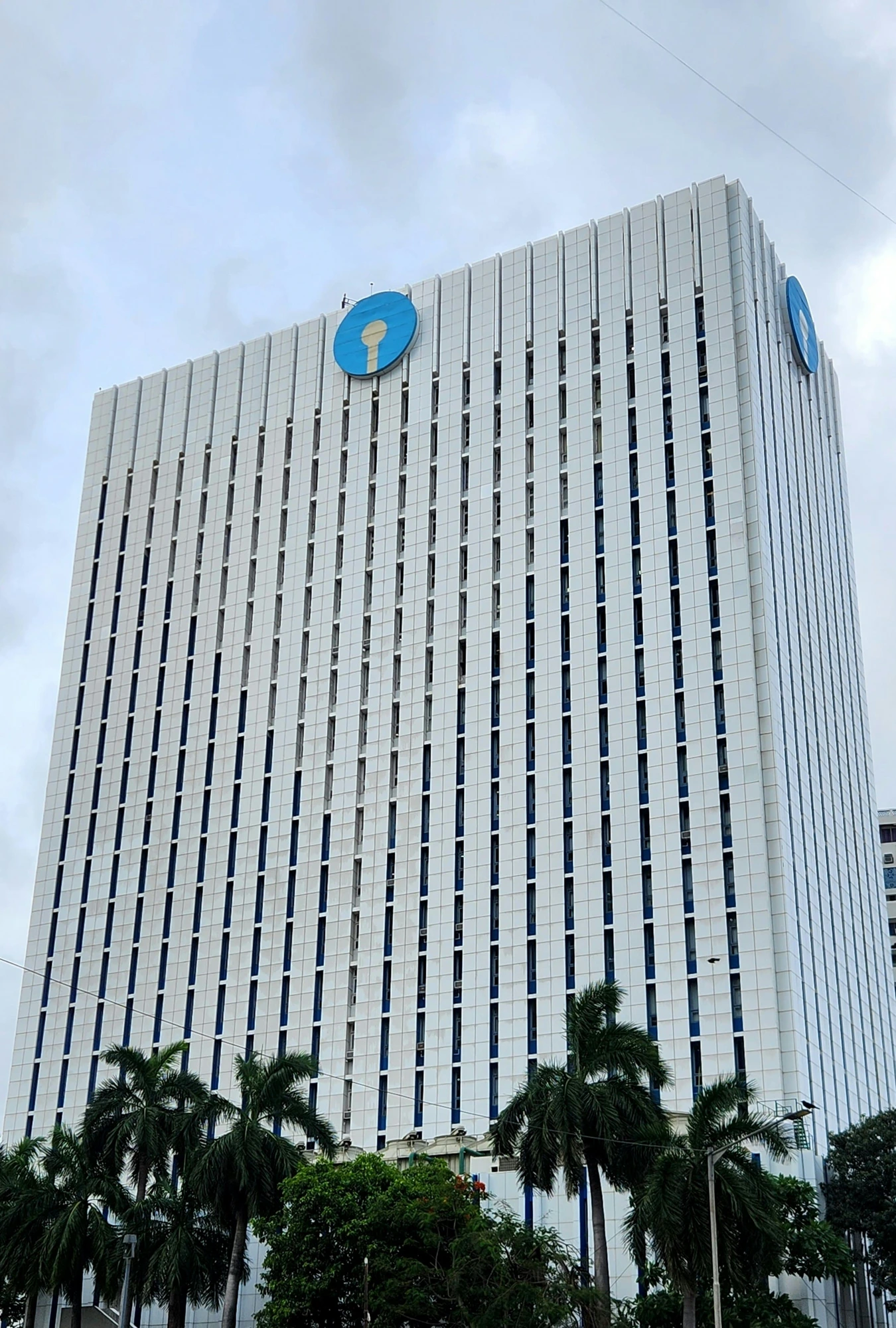
Source: GNews Banking
Arth Insight · What this means for your wallet
- Continued access to digital incentives: Keep earning cashbacks and discounts on online/card payments.
- Reduced cash handling risks: Fewer worries about carrying or losing physical cash for daily transactions.
- Improved spending insights: Digital records help you track expenses for better budgeting and financial control.
Reserve Bank of India (RBI) Deputy Governor Shirish Chandra Murmu has stated that concerns over Merchant Discount Rate (MDR) are not expected to increase the use of physical cash in India. This indicates the central bank's confidence in the continued adoption of digital payments despite existing apprehensions.
- ▸RBI believes digital payment growth will continue despite MDR concerns.
- ▸No significant shift back to cash is expected due to Merchant Discount Rate apprehension.
- ▸This indicates strong confidence in India's digital payment infrastructure.
- ✓RBI believes digital payment growth will continue despite MDR concerns.
- ✓No significant shift back to cash is expected due to Merchant Discount Rate apprehension.
- ✓This indicates strong confidence in India's digital payment infrastructure.
Reserve Bank of India (RBI) Deputy Governor Shirish Chandra Murmu recently commented that worries regarding the Merchant Discount Rate (MDR) are unlikely to prompt Indian consumers and businesses to revert to using physical cash more frequently.
Murmu's statement suggests that the central bank remains confident in the momentum of digital payment adoption across the country. Despite some apprehension that MDR charges might deter digital transactions, the RBI believes this will not lead to a significant shift back towards cash-based payments.
This perspective from a senior RBI official offers reassurance about the stability and continued growth of India's digital payment ecosystem. It implies that any concerns surrounding MDR are not seen as a major threat to the ongoing push for a less-cash economy.
What This Means for Retail Readers
- **Continued Digital Push:** The RBI's stance indicates that the focus on digital transactions is likely to remain strong, with no anticipated reversal towards higher cash usage due to MDR concerns.
- **Ecosystem Stability:** For users of UPI, debit cards, and other digital payment methods, this suggests that the regulatory body views the digital payment infrastructure as robust and resilient to current apprehensions.
- **Future of Payments:** The statement reinforces the long-term vision for a progressively digital financial landscape in India.
The Merchant Discount Rate (MDR) is a fee that a merchant pays to their acquiring bank for processing digital transactions made through debit cards, credit cards, or other digital payment instruments. While some segments have expressed concerns about these charges, particularly for smaller businesses, the RBI's Deputy Governor's remarks aim to allay fears about a potential widespread shift away from digital platforms.
This report is for informational purposes only and does not constitute financial advice. Please consult a qualified financial advisor for personalized guidance.
Interest rates, fees and eligibility for banking products are set by the respective banks and change frequently — verify the current terms with the provider before applying. Some listings may be sponsored. Not financial advice.
Frequently Asked Questions
What did RBI Deputy Governor Shirish Chandra Murmu say about MDR?
RBI Deputy Governor Shirish Chandra Murmu stated that apprehension surrounding the Merchant Discount Rate (MDR) is unlikely to lead to an increase in cash usage.
Does the RBI expect people to use more cash due to MDR concerns?
No, the RBI does not expect apprehension regarding MDR to spur higher usage of physical cash.
What does this mean for digital payments in India?
This suggests the RBI maintains confidence in the continued adoption and growth of digital payments, despite existing concerns about MDR.
Join the Arth Vani channels
Daily news summaries, IPO & market alerts on Telegram and WhatsApp.
Because you read about Banking
 Breaking
Analysts Predict Two RBI Rate Hikes by End-2026
Financial analysts are forecasting that the Reserve Bank of India (RBI) could implement two interest rate increases by the end of calendar year 2026. This potential move could impact lending and deposit rates across the Indian banking system, affecting both borrowers and savers.
 Breaking
RBI Under Pressure for Rate Hike as US Fed Tightens Policy Amid Rising Inflation
The Reserve Bank of India (RBI) is facing increasing pressure to raise interest rates, following the US Federal Reserve's recent move to tighten its monetary policy. This anticipated action by the RBI aims to combat rising inflation in India, which is being exacerbated by global economic factors.

Understanding Why RBI Adjusts Liquidity in the Indian Banking System
The Reserve Bank of India (RBI) periodically withdraws excess cash from commercial banks to manage liquidity, control inflation, and maintain financial stability. This action typically involves tools like reverse repo operations or open market sales, aiming to reduce the amount of money available for lending in the economy.
Related Stories
 Breaking
Analysts Predict Two RBI Rate Hikes by End-2026
Financial analysts are forecasting that the Reserve Bank of India (RBI) could implement two interest rate increases by the end of calendar year 2026. This potential move could impact lending and deposit rates across the Indian banking system, affecting both borrowers and savers.
 Breaking
RBI Under Pressure for Rate Hike as US Fed Tightens Policy Amid Rising Inflation
The Reserve Bank of India (RBI) is facing increasing pressure to raise interest rates, following the US Federal Reserve's recent move to tighten its monetary policy. This anticipated action by the RBI aims to combat rising inflation in India, which is being exacerbated by global economic factors.

Understanding Why RBI Adjusts Liquidity in the Indian Banking System
The Reserve Bank of India (RBI) periodically withdraws excess cash from commercial banks to manage liquidity, control inflation, and maintain financial stability. This action typically involves tools like reverse repo operations or open market sales, aiming to reduce the amount of money available for lending in the economy.
 Breaking
UPI Free for Users, But Merchant Fees Could Reshape Digital Payments
While Unified Payments Interface (UPI) transactions typically remain free for individual users, discussions around potential 'new Merchant Discount Rate' (MDR) policies for businesses could alter payment preferences. This report explains what MDR is and its possible impact on merchant adoption and the future balance between digital and cash payments in India.