RBI Bond Buyback Gets Muted Response, But Loan Rates Could Ease

Source: Economictimes
Arth Insight · What this means for your wallet
- The RBI's offer to buy back government bonds saw low interest from banks, despite a cash shortage.
- Despite this, the yield on the 10-year government bond has fallen to its lowest since March, boosted by cheaper oil and foreign investments.
- Lower bond yields typically mean banks can borrow at a lower cost, potentially leading to cheaper interest rates on your loans.
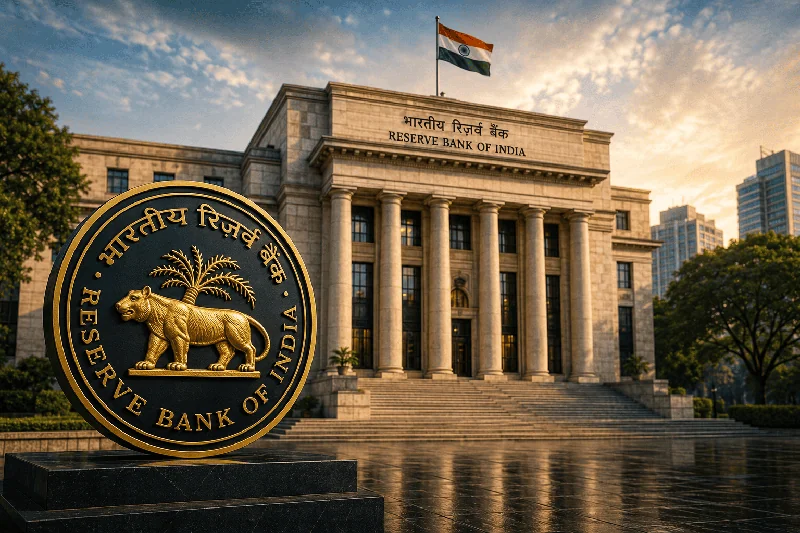
The Reserve Bank of India's attempt to buy back government bonds received a lukewarm response from banks, despite a cash crunch in the system. However, the benchmark 10-year government bond yield has fallen to its lowest since March, driven by cheaper oil and strong foreign investments. This trend could signal potential relief for borrowers and adjustments for savers.
- ▸The RBI's offer to buy back government bonds saw low interest from banks, despite a cash shortage.
- ▸Despite this, the yield on the 10-year government bond has fallen to its lowest since March, boosted by cheaper oil and foreign investments.
- ▸Lower bond yields typically mean banks can borrow at a lower cost, potentially leading to cheaper interest rates on your loans.
- ▸Conversely, interest rates on your savings, like Fixed Deposits, might also see some adjustments if rates decline further.
- ✓The RBI's offer to buy back government bonds saw low interest from banks, despite a cash shortage.
- ✓Despite this, the yield on the 10-year government bond has fallen to its lowest since March, boosted by cheaper oil and foreign investments.
- ✓Lower bond yields typically mean banks can borrow at a lower cost, potentially leading to cheaper interest rates on your loans.
- ✓Conversely, interest rates on your savings, like Fixed Deposits, might also see some adjustments if rates decline further.
In a move that surprised many market watchers, the Reserve Bank of India (RBI) recently offered to buy back government bonds to inject much-needed cash into the banking system. However, the initiative saw a muted reception, with banks bidding for significantly less than the amount the central bank was willing to purchase.
Despite a prevailing shortage of ready cash, or 'liquidity deficit,' within the banking system, banks chose to hold back from selling their bonds to the RBI. Industry experts suggest this cautious approach stems from banks anticipating future inflows of cash and their preference for investing in shorter-term financial instruments, which offer more flexibility in the current economic climate.
Key Bond Yields Fall to Multi-Month Lows
While the bond buyback faced a cool reception, another significant development has been observed in the bond market. The yield on the benchmark 10-year government bond, a key indicator for long-term interest rates in the economy, has dipped to its lowest point since March this year. This drop is largely attributed to two major factors:
- Falling Oil Prices: A sustained decline in international crude oil prices is a positive development for India, as it reduces import bills and helps contain inflation. Lower inflation expectations often lead to lower bond yields.
- Record Foreign Investments: India has been witnessing robust inflows of money from overseas investors into its stock and bond markets. This increased demand for Indian government bonds naturally pushes their yields down.
What This Means for Your Loans and Savings
For the average Indian retail consumer, movements in government bond yields are not just abstract financial figures; they have a direct bearing on personal finance. Here's how:
- Loans: Lower government bond yields often translate into reduced borrowing costs for banks. This, in turn, can pave the way for banks to offer cheaper interest rates on various loans, including home loans, personal loans, and car loans. If this trend continues, borrowers could soon see more attractive rates.
- Savings: Conversely, when overall interest rates decline, the returns on savings products like fixed deposits (FDs) might also see a downward adjustment. While specific changes will depend on individual bank policies and broader economic conditions, a general softening of rates could impact savers.
The current scenario presents a mixed bag of signals from the financial markets. While banks are exercising caution in their dealings with the RBI, external factors are driving down key interest rate benchmarks. This dynamic interplay will be crucial to watch, as it could shape the cost of borrowing and the returns on savings in the coming months, directly impacting the financial decisions of millions of households across India.
This article is for informational purposes only and does not constitute financial advice. Readers should consult a qualified financial advisor before making any financial decisions.
Bond / FD returns and credit ratings are indicative and subject to issuer credit risk and interest-rate risk. Verify current terms with the issuer. Some listings may be sponsored. Not investment advice.
Frequently Asked Questions
Why did the RBI offer to buy back government bonds?
The RBI offered to buy back bonds to inject more ready cash (liquidity) into the banking system, aiming to ease the shortage faced by banks.
Why did banks not participate much in the RBI's bond buyback?
Banks held back as they might be anticipating future cash inflows and preferred to invest in shorter-term financial instruments for more flexibility.
How do falling bond yields affect my personal finances?
Falling bond yields can lead to lower interest rates on loans such as home and personal loans, making borrowing potentially cheaper. However, it might also mean slightly lower returns on your savings accounts and fixed deposits.
Join the Arth Vani channels
Daily news summaries, IPO & market alerts on Telegram and WhatsApp.
Because you read about Bonds
 Breaking
Rising US Bond Yields: How They Impact Your Indian SIPs, Gold, and Rupee
A rise in US bond yields often triggers a ripple effect globally, influencing foreign investment flows, the Indian rupee's value, gold prices, and returns from equity mutual funds (SIPs). Understanding this dynamic is crucial for Indian investors to make informed decisions about their portfolios amidst global economic shifts.
 Breaking
India's 10-Year G-Sec Yield Surges to 7.179%, Nears 2-Year High
India's benchmark 10-year government bond yield has jumped to 7.179%, reaching its highest level in nearly two years. This surge is primarily driven by rising global crude oil prices, which hit $107 per barrel, fueling inflation concerns and prompting investors to demand higher returns.
 New LaunchBreaking
Post Office Time Deposit: Key Rules to Know Before October Interest Rate Revision
The Indian government is set to review interest rates for Small Savings Schemes, including Post Office Time Deposits, for the October-December 2024 quarter. Currently, these deposits offer up to 7.5% interest, making them a popular low-risk investment for retail savers.
Related Stories
 Breaking
Rising US Bond Yields: How They Impact Your Indian SIPs, Gold, and Rupee
A rise in US bond yields often triggers a ripple effect globally, influencing foreign investment flows, the Indian rupee's value, gold prices, and returns from equity mutual funds (SIPs). Understanding this dynamic is crucial for Indian investors to make informed decisions about their portfolios amidst global economic shifts.
 Breaking
India's 10-Year G-Sec Yield Surges to 7.179%, Nears 2-Year High
India's benchmark 10-year government bond yield has jumped to 7.179%, reaching its highest level in nearly two years. This surge is primarily driven by rising global crude oil prices, which hit $107 per barrel, fueling inflation concerns and prompting investors to demand higher returns.
 New LaunchBreaking
Post Office Time Deposit: Key Rules to Know Before October Interest Rate Revision
The Indian government is set to review interest rates for Small Savings Schemes, including Post Office Time Deposits, for the October-December 2024 quarter. Currently, these deposits offer up to 7.5% interest, making them a popular low-risk investment for retail savers.

Trump Projects Oil Price Decline Amid US-Iran Stance
Former US President Donald Trump has reportedly stated that the United States will prevail in its dealings with Iran, a development he believes will lead to a fall in global oil prices. This brief statement suggests a potential link between geopolitical stability and crude oil markets, with implications for oil-importing nations like India.