RBI Shifts Liquidity Management Focus to Bond Market

Source: GNews Bonds
Arth Insight · What this means for your wallet
- Your Borrowing Costs: RBI's bond market activities can indirectly influence interest rates on your home, car, and personal loans, affecting your EMIs (₹).
- Your Savings Returns: Changes in market liquidity can impact the interest rates offered on fixed deposits (FDs) and savings accounts, affecting your earnings (₹).
- Inflation Control: The shift aims to better manage money supply and inflation, which directly impacts your purchasing power and the value of your rupees (₹).
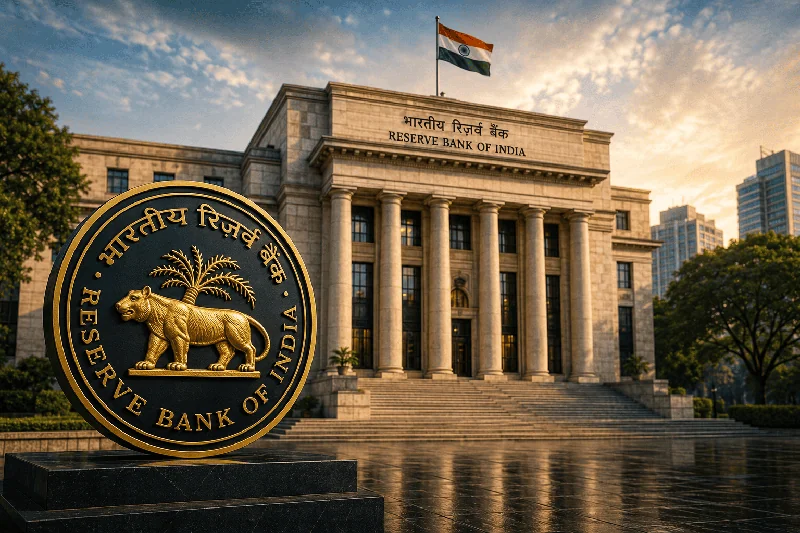
The Reserve Bank of India (RBI) is reportedly shifting its liquidity management operations to the bond market. This move indicates a change in how the central bank will regulate the flow of money within the Indian financial system, as per a report from Policy Circle.
- ▸The RBI is reportedly changing its approach to managing money supply, focusing more on the bond market.
- ▸This shift is a strategic adjustment in how the central bank regulates funds in the Indian financial system.
- ▸Specific details about this particular change, such as timing or scale, are not yet available.
- ▸Understanding the implications will require further announcements from the RBI.
- ✓The RBI is reportedly changing its approach to managing money supply, focusing more on the bond market.
- ✓This shift is a strategic adjustment in how the central bank regulates funds in the Indian financial system.
- ✓Specific details about this particular change, such as timing or scale, are not yet available.
- ✓Understanding the implications will require further announcements from the RBI.
According to a report by Policy Circle, the Reserve Bank of India (RBI) has initiated a shift in its liquidity balancing act, moving the focus towards the bond market. This development signals a strategic adjustment in how the central bank plans to manage the availability of funds within the Indian financial system.
Liquidity management is a core function of any central bank, including the RBI. It involves regulating the amount of money circulating in the economy to maintain price stability, support economic growth, and ensure the smooth functioning of financial markets. When there is too much money (excess liquidity), it can potentially fuel inflation. Conversely, insufficient liquidity can stifle lending and overall economic activity. The RBI employs various tools to manage this delicate balance, such as adjusting key policy rates like the repo and reverse repo rates, conducting open market operations (OMOs), and implementing cash reserve ratio (CRR) requirements for banks.
The bond market plays a crucial role in the RBI's liquidity operations. Through the buying and selling of government securities (G-secs) in the secondary market, the RBI can either inject or withdraw liquidity from the system. For instance, when the RBI buys bonds from commercial banks, it injects money into the financial system as banks receive funds in exchange for the securities. Conversely, when the RBI sells bonds, it absorbs liquidity as banks pay money to the central bank to acquire these securities. This method allows for a more targeted and often more flexible approach to managing day-to-day money flows compared to broad policy rate changes.
While the source indicates a strategic move towards utilizing the bond market more intensely for liquidity management, specific details regarding the nature, scale, or timing of this shift are not provided. Crucial information such as the types of instruments to be prioritized (e.g., short-term treasury bills or long-term government bonds), the quantum of operations planned, or the precise objectives behind this particular change in strategy are currently unavailable. Without these specifics, it is challenging to assess the potential impact on interest rates, banking sector liquidity, or the broader implications for Indian retail investors and the economy. Readers are encouraged to monitor official RBI announcements and comprehensive financial news for further details as they emerge.
This report is for informational purposes only and does not constitute financial advice.
Bond / FD returns and credit ratings are indicative and subject to issuer credit risk and interest-rate risk. Verify current terms with the issuer. Some listings may be sponsored. Not investment advice.
Frequently Asked Questions
What is the RBI's liquidity balancing act?
It refers to the Reserve Bank of India's efforts to manage the amount of money available in the financial system. This is done to ensure stable credit flow, control inflation, and support economic growth.
Why is the RBI moving to the bond market for liquidity management?
The provided source material does not specify the exact reasons for this particular shift. Generally, central banks use the bond market to conduct open market operations (OMOs) for injecting or absorbing liquidity, offering a flexible tool for financial stability.
How will this affect me as a retail investor?
The specific impact of this move on retail investors, such as changes in interest rates on loans or deposits, cannot be determined from the limited information provided. Further details are needed from the RBI to assess the direct implications.
Join the Arth Vani channels
Daily news summaries, IPO & market alerts on Telegram and WhatsApp.
Because you read about Bonds

RBI to Re-Issue Government Securities Via Auction on September 25
The Reserve Bank of India (RBI) has announced it will conduct a re-issue auction of government securities (G-Secs) on September 25. This move is part of the government's borrowing program to manage its financial needs and maintain liquidity in the bond market.
Emerging Market Local Bonds See Rising Demand as Dollar Debt Loses Appeal
Investors are increasingly turning to local currency bonds in emerging markets. This trend suggests a shift away from traditional dollar-denominated debt. The change in preference highlights evolving global investment strategies.

South Korean Pension Fund Seeks Licence to Invest in Indian Government Bonds
A prominent South Korean pension fund is reportedly seeking regulatory approval to invest in Indian government securities. This development underscores India's growing appeal as a destination for global institutional investors, potentially channeling significant foreign capital into the country's debt markets.
Related Stories

RBI to Re-Issue Government Securities Via Auction on September 25
The Reserve Bank of India (RBI) has announced it will conduct a re-issue auction of government securities (G-Secs) on September 25. This move is part of the government's borrowing program to manage its financial needs and maintain liquidity in the bond market.

Emerging Market Local Bonds See Rising Demand as Dollar Debt Loses Appeal
Investors are increasingly turning to local currency bonds in emerging markets. This trend suggests a shift away from traditional dollar-denominated debt. The change in preference highlights evolving global investment strategies.

South Korean Pension Fund Seeks Licence to Invest in Indian Government Bonds
A prominent South Korean pension fund is reportedly seeking regulatory approval to invest in Indian government securities. This development underscores India's growing appeal as a destination for global institutional investors, potentially channeling significant foreign capital into the country's debt markets.

US Fed Rate Decisions: How Indian Debt Mutual Fund Investors Should Position Portfolios
As the US Federal Reserve navigates interest rate adjustments, Indian debt mutual fund investors face a mix of volatility and opportunity. Understanding the correlation between US yields and Indian bond markets is crucial for protecting capital and optimizing returns in fixed-income portfolios.