RBI May Hike Rates If Oil Inflation Stays High, Says ICICI Bank

Source: GNews Bonds
Arth Insight · What this means for your wallet
- RBI might raise interest rates if oil inflation persists.
- Any rate hike cycle is expected to be shallow, meaning limited increases and duration.
- High oil prices are a key concern for India's inflation outlook.
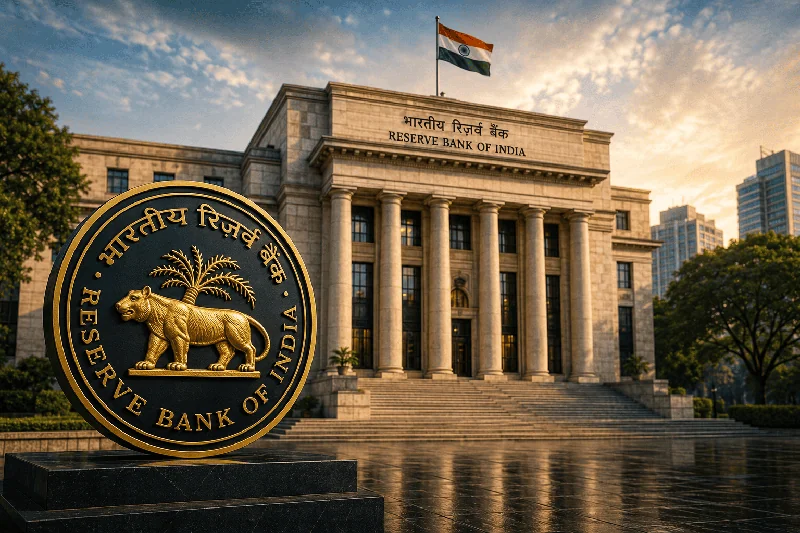
The Reserve Bank of India (RBI) might consider raising interest rates if oil inflation continues to be a concern. However, any rate hike cycle is expected to be short-lived, according to ICICI Bank's analysis.
- ▸RBI might raise interest rates if oil inflation persists.
- ▸Any rate hike cycle is expected to be shallow, meaning limited increases and duration.
- ▸High oil prices are a key concern for India's inflation outlook.
- ▸The RBI aims to balance inflation control with economic growth.
- ✓RBI might raise interest rates if oil inflation persists.
- ✓Any rate hike cycle is expected to be shallow, meaning limited increases and duration.
- ✓High oil prices are a key concern for India's inflation outlook.
- ✓The RBI aims to balance inflation control with economic growth.
The Reserve Bank of India (RBI) could be compelled to increase interest rates if elevated oil prices persist, potentially impacting inflation. This view comes from ICICI Bank, which suggests that while a rate hike is a possibility, the cycle of such increases is likely to be shallow.
The persistence of high oil prices globally is a significant factor that the RBI closely monitors. If these prices continue to rise or remain at elevated levels, it could translate into higher imported inflation for India, putting upward pressure on overall price levels. In such a scenario, the central bank's monetary policy committee might deem it necessary to tighten liquidity and curb demand by raising the key policy rates, such as the repo rate.
However, ICICI Bank's outlook indicates that any such tightening measures might not be prolonged. The expectation is for a "shallow" cycle, implying that the extent of rate hikes could be limited, and the duration of this tightening phase might also be relatively short. This suggests that the RBI might be cautious about choking off economic growth while trying to manage inflation.
Factors influencing this outlook likely include the RBI's assessment of domestic economic conditions, the trajectory of inflation beyond oil prices, and global economic developments. A shallow rate hike cycle could mean that while borrowing costs might see a marginal increase, they are unlikely to reach levels that severely dampen investment and consumption.
For investors and borrowers, this analysis suggests a need to stay vigilant about inflation data, particularly oil prices. While a significant and sustained increase in interest rates is not immediately anticipated, any upward movement could affect loan EMIs and the returns on fixed-income instruments. The shallow nature of the potential cycle, however, offers some reassurance that the economy might not face a sharp downturn due to monetary tightening.
This article is for informational purposes only and does not constitute investment advice.
Bond / FD returns and credit ratings are indicative and subject to issuer credit risk and interest-rate risk. Verify current terms with the issuer. Some listings may be sponsored. Not investment advice.
Frequently Asked Questions
Why would the RBI consider raising interest rates?
The RBI might raise interest rates primarily to combat persistent inflation, especially if it's driven by rising oil prices, which increase the cost of imported goods and services.
What does a 'shallow' rate hike cycle mean?
A 'shallow' rate hike cycle suggests that if interest rates are increased, the hikes will likely be small in magnitude and the period of higher rates might not last very long.
How could this affect my loans or investments?
If interest rates rise, your Equated Monthly Installments (EMIs) on loans like home loans or car loans could increase. For fixed-income investments, higher rates could eventually lead to better returns, but short-term impacts might vary.
Join the Arth Vani channels
Daily news summaries, IPO & market alerts on Telegram and WhatsApp.
Because you read about Bonds
 Breaking
GIFT Nifty Rises 131 Points, Signals Positive Opening for Indian Markets
GIFT Nifty futures contracts jumped 131 points, indicating a potentially strong and positive start for major Indian equity indices like the Nifty 50 and Sensex on the domestic exchanges. This movement serves as an early signal for investor sentiment ahead of market open.
Next-Gen GST: India's Tax Reform Journey Continues
India is embarking on the 'Next-Gen GST' phase, aiming to further streamline its indirect tax system. This evolution seeks to enhance efficiency, broaden the tax base, and simplify compliance for businesses across the country.
 Breaking
Navigating Choppy Markets: Asset Allocation Strategies for Indian Investors
As India's Sensex and Nifty indices experience volatility, retail investors face a critical decision on how to distribute their investments across equity, debt, gold, and cash. A balanced asset allocation strategy is crucial to manage risk and align with financial goals during uncertain market conditions.
Related Stories
 Breaking
GIFT Nifty Rises 131 Points, Signals Positive Opening for Indian Markets
GIFT Nifty futures contracts jumped 131 points, indicating a potentially strong and positive start for major Indian equity indices like the Nifty 50 and Sensex on the domestic exchanges. This movement serves as an early signal for investor sentiment ahead of market open.

Next-Gen GST: India's Tax Reform Journey Continues
India is embarking on the 'Next-Gen GST' phase, aiming to further streamline its indirect tax system. This evolution seeks to enhance efficiency, broaden the tax base, and simplify compliance for businesses across the country.
 Breaking
Navigating Choppy Markets: Asset Allocation Strategies for Indian Investors
As India's Sensex and Nifty indices experience volatility, retail investors face a critical decision on how to distribute their investments across equity, debt, gold, and cash. A balanced asset allocation strategy is crucial to manage risk and align with financial goals during uncertain market conditions.
 Breaking
India's Forex Reserves Drop Record $18.34 Billion Amidst Rupee Pressure
India's foreign exchange reserves saw a historic decline of $18.34 billion in the week ending October 21, 2022. This significant drop is attributed to the Reserve Bank of India's (RBI) interventions to manage the weakening rupee against a strong US dollar.