RBI's Short-Term Dollar Boost: India Needs Long-Term Plan for Rupee Stability
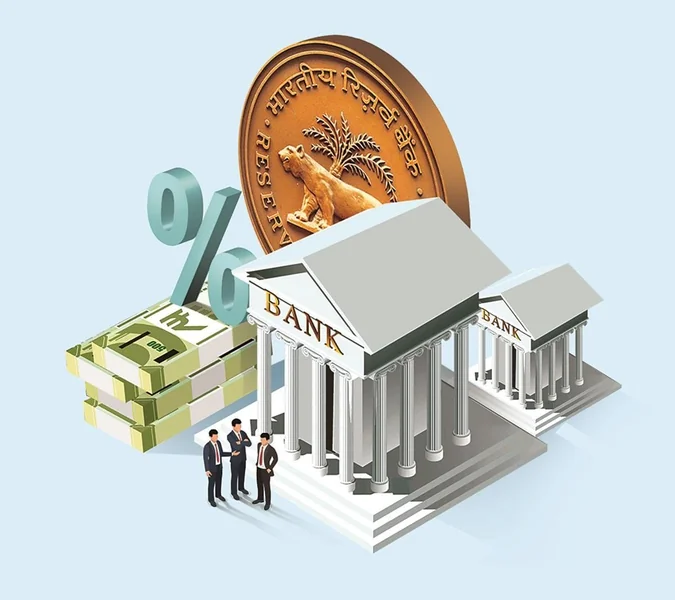
Source: Economictimes
Arth Insight · What this means for your wallet
- A weaker rupee can lead to higher prices for imported goods, increasing your daily expenses.
- The RBI might raise interest rates to stabilize the rupee, making your loans (like home or car loans) more expensive.
- Investment returns could be affected by interest rate hikes or currency fluctuations, impacting your savings goals.
The Reserve Bank of India recently took steps to bring more dollars into the country, aiming to support the Indian rupee. While these actions offer immediate relief, economists caution they are only a temporary fix. India must strengthen its overall economic position, particularly its international trade and investment balance, over the next 3 to 5 years to ensure the rupee remains stable in the long run.
- ▸The RBI's recent efforts to attract dollars are a short-term fix to support the rupee.
- ▸India needs to strengthen its overall international financial position within the next 3 to 5 years.
- ▸A strong 'Balance of Payments' (more foreign earnings than spending) is key to long-term rupee stability.
- ▸Without sustainable solutions, the rupee could face renewed pressure, potentially impacting inflation and interest rates.
- ✓The RBI's recent efforts to attract dollars are a short-term fix to support the rupee.
- ✓India needs to strengthen its overall international financial position within the next 3 to 5 years.
- ✓A strong 'Balance of Payments' (more foreign earnings than spending) is key to long-term rupee stability.
- ✓Without sustainable solutions, the rupee could face renewed pressure, potentially impacting inflation and interest rates.
The Reserve Bank of India (RBI) recently rolled out measures to encourage the flow of US dollars into India. These steps were taken with a clear goal: to stabilize the Indian rupee against global currencies and ease immediate pressures. However, financial experts are sounding a note of caution, suggesting that while these interventions offer short-term relief, they are not a permanent solution to India's currency challenges.
The Temporary Relief
Think of the RBI's recent moves as giving a much-needed boost to India's foreign currency reserves. By making it more attractive for foreign investors and Non-Resident Indians (NRIs) to bring their dollars into India, the RBI aims to increase the supply of dollars in the market. A higher supply of dollars relative to demand generally helps strengthen the rupee or prevent its sharp depreciation.
These measures typically include adjusting rules for foreign currency deposits or making it easier for Indian companies to borrow in foreign currencies. The immediate effect is a healthier flow of dollars, which helps calm currency markets and provides a window of stability.
The Looming Challenge: 3 to 5 Years Out
Economists warn that this stability might be short-lived if India doesn't address the underlying issues. The core problem lies in what happens when these foreign currency borrowings and deposits 'mature' – meaning they become due for repayment or withdrawal. When this happens, the dollars that flowed into India will start flowing out again, potentially putting renewed pressure on the rupee.
This is where the long-term strategy becomes crucial. The country has a critical 3 to 5-year window to build a more robust 'Balance of Payments' (BoP). Simply put, the BoP is a record of all money transactions between India and the rest of the world. A strong BoP means India is earning more foreign currency (through exports, foreign investments, etc.) than it is spending (on imports, foreign repayments, etc.).
Strengthening India's Economic Foundation
To achieve a strong BoP, India needs to focus on sustainable strategies such as:
- Boosting Exports: Selling more goods and services to other countries brings in foreign currency.
- Attracting Stable Foreign Investment: Encouraging long-term investments in industries, rather than short-term speculative capital, provides a more stable source of dollars.
- Managing Imports: While essential, a careful balance is needed to ensure that India isn't spending excessively on foreign goods and services.
- Building Robust Reserves: Maintaining a large buffer of foreign currency reserves acts as a safety net against global economic shocks.
What This Means for You
The stability of the rupee directly impacts your daily life and financial well-being. A weaker rupee can make imports, like crude oil or electronics, more expensive, leading to higher inflation. To counter this, the RBI might be compelled to raise interest rates, affecting your loan EMIs (Equated Monthly Instalments) and investment returns.
While the recent measures offer a temporary reprieve, the focus must now shift to long-term structural reforms that strengthen India's economic fundamentals. Only then can the country ensure lasting rupee stability, protect against external risks, and foster an environment of predictable financial growth for all citizens.
This article is for informational purposes only and does not constitute financial or investment advice.
Some listings may be sponsored and Arth Vani may earn a referral fee. All information is for educational purposes only — verify terms and suitability with the provider before acting. Not financial advice.
Frequently Asked Questions
What are these 'dollar inflow measures' the RBI took?
The RBI introduced steps to make it more attractive for foreign investors and Non-Resident Indians (NRIs) to bring US dollars into India, thereby increasing the supply of foreign currency in the country.
Why are these measures considered a 'temporary fix'?
They are temporary because the foreign funds attracted have maturity periods; when these funds are repaid or withdrawn, the dollars will flow out again, potentially putting renewed pressure on the rupee unless India's underlying economic strength improves.
How does a strong 'Balance of Payments' (BoP) help the rupee?
A strong BoP indicates India is earning more foreign currency through exports and stable investments than it is spending on imports and foreign obligations. This sustained inflow of dollars helps maintain a stable and strong rupee over the long term.
Join the Arth Vani channels
Daily news summaries, IPO & market alerts on Telegram and WhatsApp.
Because you read about Business & Economy

Moody's Boosts India's FY27 Growth Forecast to 7%
Global rating agency Moody's has raised its projection for India's economic growth in the fiscal year 2026-27 (FY27) to 7%. This upgrade reflects a more optimistic outlook on the country's economic performance.
 Breaking
Retail Inflation Breaches RBI’s 6% Upper Limit at Two-Year High of 6.09% in October
India's retail inflation surged to a two-year high of 6.09% in October, surpassing the Reserve Bank of India's (RBI) upper tolerance limit of 6%. This marks a significant development for consumers and could influence future monetary policy decisions. The breach highlights increasing price pressures across the economy.
 Breaking
Economist Flags Rapid Money, Credit Growth Threatening RBI's 4% Inflation Target
An economist has warned that the Reserve Bank of India (RBI) may face significant challenges in achieving its 4% retail inflation target. This concern arises from the fastest rate of money supply and credit growth witnessed in the Indian economy since the 2012-13 financial year, potentially fueling inflationary pressures.
Related Stories

Moody's Boosts India's FY27 Growth Forecast to 7%
Global rating agency Moody's has raised its projection for India's economic growth in the fiscal year 2026-27 (FY27) to 7%. This upgrade reflects a more optimistic outlook on the country's economic performance.
 Breaking
Retail Inflation Breaches RBI’s 6% Upper Limit at Two-Year High of 6.09% in October
India's retail inflation surged to a two-year high of 6.09% in October, surpassing the Reserve Bank of India's (RBI) upper tolerance limit of 6%. This marks a significant development for consumers and could influence future monetary policy decisions. The breach highlights increasing price pressures across the economy.
 Breaking
Economist Flags Rapid Money, Credit Growth Threatening RBI's 4% Inflation Target
An economist has warned that the Reserve Bank of India (RBI) may face significant challenges in achieving its 4% retail inflation target. This concern arises from the fastest rate of money supply and credit growth witnessed in the Indian economy since the 2012-13 financial year, potentially fueling inflationary pressures.
 Breaking
RBI Dispels Viral Claim: No New Cheque Book Rules From January 2027
The Reserve Bank of India (RBI) has officially clarified that recent viral claims regarding new cheque book rules coming into effect from January 2027 are false. This comes after widespread social media speculation about impending changes to cheque usage regulations. Indian bank account holders can continue to use their existing cheque books without any immediate changes.