Repo Rate Hike: FD Investors May See Higher Interest Rates from Banks

Source: GNews Fixed Income
Arth Insight · What this means for your wallet
- You could earn higher interest on your existing and new Fixed Deposits (FDs).
- Your savings parked in FDs may grow faster due to better interest rates.
- Those looking for stable, low-risk returns will find FDs more attractive.
Following a recent repo rate hike by the Reserve Bank of India, fixed deposit investors may experience relief as banks could potentially increase their interest rates. This development often leads to better returns for savers, particularly those looking to open new FDs or renew existing ones.
- ▸A recent RBI repo rate hike could lead to banks increasing Fixed Deposit (FD) interest rates.
- ▸Higher FD rates would mean better returns for individuals saving money in fixed deposits.
- ▸Both new FDs and renewing FDs are likely to benefit from potential rate increases.
- ▸Investors should compare rates across banks as they revise their offerings.
- ✓A recent RBI repo rate hike could lead to banks increasing Fixed Deposit (FD) interest rates.
- ✓Higher FD rates would mean better returns for individuals saving money in fixed deposits.
- ✓Both new FDs and renewing FDs are likely to benefit from potential rate increases.
- ✓Investors should compare rates across banks as they revise their offerings.
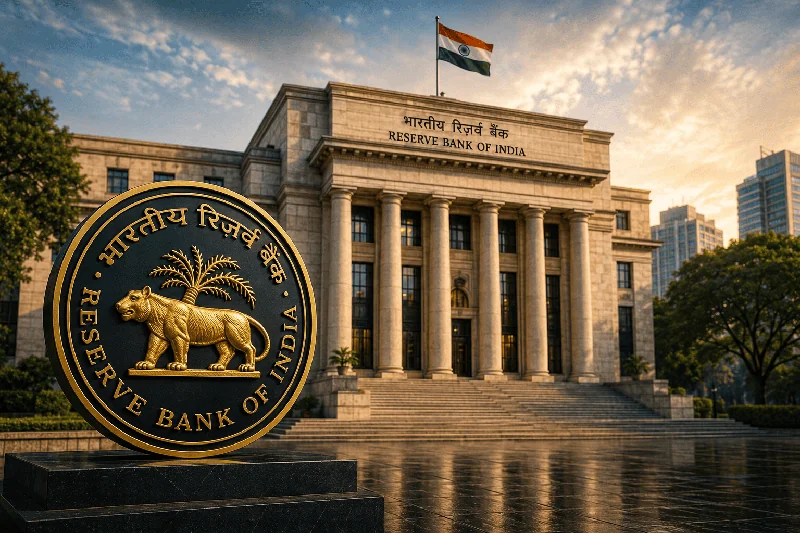
Fixed Deposit (FD) investors in India may soon have reasons to cheer, as a recent repo rate hike by the Reserve Bank of India (RBI) could pave the way for banks to increase interest rates on their FDs. While the decision to revise rates rests with individual banks, a repo rate increase typically creates an environment where banks are incentivized to offer better returns on deposits.
The repo rate is the interest rate at which the RBI lends money to commercial banks. When the RBI increases the repo rate, it becomes more expensive for banks to borrow funds from the central bank. This increased cost of funds for banks often translates into higher lending rates for consumers (e.g., on home loans, personal loans) and, crucially, higher deposit rates to attract more capital from savers.
Potential Benefits for FD Investors
For individuals relying on fixed deposits for stable returns, a hike in FD interest rates could provide significant relief, especially in an inflationary environment. Here's how it generally works:
- New FDs: Investors planning to open new fixed deposits might find more attractive rates compared to previous offerings.
- Renewing FDs: Those with FDs maturing soon could benefit from renewing their deposits at a higher interest rate, locking in better returns for the new tenure.
- Enhanced Returns: Higher rates mean more interest earned on your principal amount, directly impacting your wealth creation over time.
It's important for investors to monitor announcements from various banks regarding their revised FD rates. Different banks may implement rate changes at varying paces and magnitudes, depending on their liquidity positions and competitive strategies. Banks often update rates across various tenures, from short-term to long-term deposits, and sometimes offer special rates for senior citizens.
While the prospect of higher FD rates is positive, investors should also consider their financial goals, liquidity needs, and the overall interest rate cycle before making investment decisions. Comparing rates across multiple banks and understanding the terms and conditions of different FD products will be key to optimizing returns in this evolving interest rate landscape.
This report is for informational purposes only and does not constitute financial advice. Readers should consult with a qualified financial advisor before making any investment decisions.
Bond / FD returns and credit ratings are indicative and subject to issuer credit risk and interest-rate risk. Verify current terms with the issuer. Some listings may be sponsored. Not investment advice.
Frequently Asked Questions
What is the RBI Repo Rate?
The Repo Rate is the interest rate at which the Reserve Bank of India (RBI) lends money to commercial banks. It is a key tool used by the RBI to control inflation and manage the money supply in the economy.
How does a Repo Rate hike affect Fixed Deposit interest rates?
When the RBI increases the Repo Rate, it makes borrowing more expensive for banks. To maintain their profitability and attract deposits to fund their lending, banks often increase the interest rates they offer on Fixed Deposits to savers.
What should FD investors do now?
FD investors should keep an eye on announcements from various banks regarding their revised interest rates. If you are planning to open a new FD or have an existing one maturing soon, comparing rates across different banks can help you lock in the best possible returns.
Join the Arth Vani channels
Daily news summaries, IPO & market alerts on Telegram and WhatsApp.
Because you read about Fixed Income
Senior Citizens Weigh Investment Returns: Key Factors Beyond Interest Rates
Indian senior citizens evaluating investment options are often presented with varying interest rates, such as 8.2% and 7.05%. While higher rates are appealing, financial experts emphasize considering risk, liquidity, and taxation alongside the headline percentage for informed decisions.

Special Fixed Deposit Tenures: Which Offers More for Senior Citizens on ₹2 Lakh?
Indian banks frequently offer special fixed deposit tenures like 444-day and 555-day FDs to attract depositors, often with enhanced interest rates for senior citizens. For a ₹2 lakh deposit, determining which tenure offers higher returns requires a direct comparison of specific rates from individual banks, as these can vary significantly across institutions and are crucial for informed investment decisions.

UPI Service Alert: 45-Minute Downtime Reported, Specifics Awaited
Reports indicate a 45-minute downtime for UPI services in India. However, crucial details regarding the exact date, time, and the authority behind this notification are currently unavailable from the initial source.
Related Stories

Senior Citizens Weigh Investment Returns: Key Factors Beyond Interest Rates
Indian senior citizens evaluating investment options are often presented with varying interest rates, such as 8.2% and 7.05%. While higher rates are appealing, financial experts emphasize considering risk, liquidity, and taxation alongside the headline percentage for informed decisions.

Special Fixed Deposit Tenures: Which Offers More for Senior Citizens on ₹2 Lakh?
Indian banks frequently offer special fixed deposit tenures like 444-day and 555-day FDs to attract depositors, often with enhanced interest rates for senior citizens. For a ₹2 lakh deposit, determining which tenure offers higher returns requires a direct comparison of specific rates from individual banks, as these can vary significantly across institutions and are crucial for informed investment decisions.

UPI Service Alert: 45-Minute Downtime Reported, Specifics Awaited
Reports indicate a 45-minute downtime for UPI services in India. However, crucial details regarding the exact date, time, and the authority behind this notification are currently unavailable from the initial source.
 Breaking
Major PF Reform: Up to 90% Corpus Withdrawal Now Allowed
A significant reform in Provident Fund (PF) rules now permits subscribers to withdraw up to 90% of their corpus. This change aims to provide greater liquidity and flexibility for individuals managing their retirement savings.