AI-Powered Cyberattacks Heighten Threat to India's Financial Sector
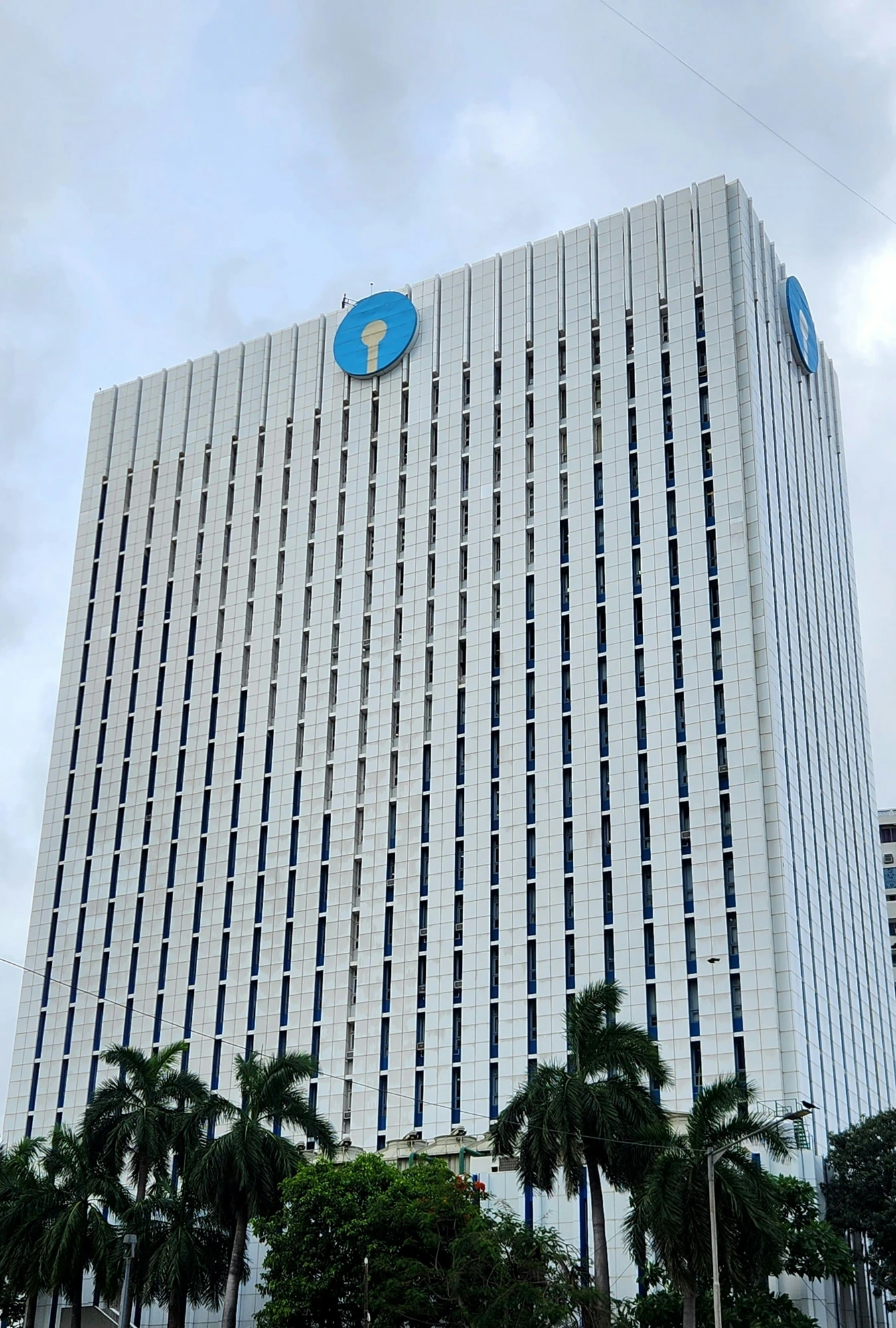
Source: GNews NBFC
Arth Insight · What this means for your wallet
- You could lose your savings, investments, or money directly from bank accounts and credit cards to sophisticated AI-powered scams.
- Your personal financial data might be stolen, leading to identity theft and fraudulent transactions in your name.
- Recovering stolen funds or securing compromised accounts could be a lengthy and stressful process, costing you time and potentially legal fees.
Artificial intelligence (AI) is significantly enhancing the sophistication and scale of cyberattacks targeting India's banking, financial services, and insurance (BFSI) sectors. These advanced threats pose new challenges for financial institutions and increase risks for individual retail customers across the country.
- ▸AI is making cyberattacks on Indian financial institutions more advanced and difficult to detect.
- ▸Be cautious of highly convincing phishing attempts via email, SMS, or calls, as AI can personalize these scams.
- ▸Financial institutions are enhancing their defenses with AI, but individual vigilance remains critical for protection.
- ✓AI is making cyberattacks on Indian financial institutions more advanced and difficult to detect.
- ✓Be cautious of highly convincing phishing attempts via email, SMS, or calls, as AI can personalize these scams.
- ✓Financial institutions are enhancing their defenses with AI, but individual vigilance remains critical for protection.
India's financial sector, encompassing banks, non-banking financial companies (NBFCs), and insurance providers, is facing an escalating threat from cyberattacks driven by artificial intelligence (AI). This technological leap is enabling attackers to launch more sophisticated, targeted, and harder-to-detect assaults, posing significant challenges for both institutions and individual retail customers.
How AI Transforms Cyberattacks
Traditionally, cyberattacks often relied on broad, easily identifiable patterns. However, AI introduces several critical advancements for malicious actors:
- Enhanced Phishing and Social Engineering: AI can generate highly convincing phishing emails, messages, and even voice calls that mimic legitimate communications, making it extremely difficult for individuals to distinguish between real and fraudulent requests. It can learn user behaviour and language patterns to create highly personalized scams.
- Automated Vulnerability Exploitation: AI can rapidly scan financial systems for weaknesses, identify potential vulnerabilities, and automate the process of exploiting them at an unprecedented speed. This reduces the time institutions have to patch security gaps.
- Adaptive Malware: AI-driven malware can learn and adapt its behaviour to evade detection by conventional security systems. It can change its code, communication patterns, or attack vectors to bypass existing defenses.
- Deepfake Technology: Malicious actors can use AI to create 'deepfakes'—synthetic media where a person's likeness or voice is manipulated—to impersonate executives or trusted individuals, potentially tricking employees or customers into divulging sensitive information or authorizing fraudulent transactions.
Impact on India's Financial Ecosystem
The implications of AI-driven cyberattacks for India's BFSI sector are far-reaching. Financial institutions are prime targets due to the vast amounts of sensitive customer data and monetary assets they manage. An attack could lead to significant financial losses, data breaches, reputational damage, and erosion of customer trust. For retail customers, the risk translates directly to potential financial fraud, identity theft, and compromise of personal bank accounts, credit cards, or investment portfolios.
Regulators and financial entities are increasingly investing in AI-powered cybersecurity solutions to counter these evolving threats. These defenses utilize AI to detect anomalies, predict potential attacks, and automate response mechanisms. However, the continuous innovation in AI means the cybersecurity landscape remains a perpetual arms race between attackers and defenders.
What This Means for Indian Retail Customers
As AI-powered threats become more prevalent, it is crucial for Indian retail banking and financial service users to adopt heightened vigilance. Understanding the evolving nature of these attacks is the first step in protecting personal finances and data from sophisticated fraudulent schemes.
This article is for informational purposes only and does not constitute financial or security advice. Please consult with a professional for specific guidance.
Loan interest rates, processing fees and eligibility are set by the lender and subject to credit approval — verify current terms before applying. Some listings may be sponsored. Not financial advice.
Frequently Asked Questions
What makes AI-driven cyberattacks different?
AI enables attackers to create more personalized phishing scams, automate the exploitation of system vulnerabilities, develop malware that adapts to evade detection, and even generate deepfake content to impersonate individuals, making attacks harder to identify than traditional methods.
How do these attacks specifically target Indian retail customers?
Retail customers are vulnerable to sophisticated phishing and social engineering attacks designed to steal banking credentials, credit card details, or personal identity information. These can lead to unauthorized transactions, identity theft, and direct financial losses from bank accounts or digital wallets.
What precautions should I take against AI-driven financial fraud?
Always verify the legitimacy of unexpected communications, never share one-time passwords (OTPs) or personal banking details, use strong and unique passwords, enable multi-factor authentication, and regularly monitor your financial statements for any suspicious activity.
Join the Arth Vani channels
Daily news summaries, IPO & market alerts on Telegram and WhatsApp.
Because you read about NBFCs

MobiKwik to Route 10% NBFC Loans via Co-Lending Model
Digital payments firm MobiKwik plans to disburse 10% of its Non-Banking Financial Company (NBFC) loan portfolio through a co-lending model. This move aims to leverage partnerships with NBFCs to expand its credit offerings.
 Breaking
Paisabazaar Expands Instant Personal Loan Network to 18 Lenders for Faster Disbursals
Paisabazaar has expanded its instant personal loan ecosystem by partnering with 18 lenders to offer end-to-end digital credit solutions. The platform aims to provide Indian retail borrowers with immediate liquidity through a completely paperless process.

PTC India Financing H1 Result Declines to ₹71.32 Crore
PTC India's financing segment reported a result of ₹71.32 crore for the first half (H1) of the current fiscal year. This figure indicates a decline in the segment's financial performance for the period.
Related Stories

MobiKwik to Route 10% NBFC Loans via Co-Lending Model
Digital payments firm MobiKwik plans to disburse 10% of its Non-Banking Financial Company (NBFC) loan portfolio through a co-lending model. This move aims to leverage partnerships with NBFCs to expand its credit offerings.
 Breaking
Paisabazaar Expands Instant Personal Loan Network to 18 Lenders for Faster Disbursals
Paisabazaar has expanded its instant personal loan ecosystem by partnering with 18 lenders to offer end-to-end digital credit solutions. The platform aims to provide Indian retail borrowers with immediate liquidity through a completely paperless process.

PTC India Financing H1 Result Declines to ₹71.32 Crore
PTC India's financing segment reported a result of ₹71.32 crore for the first half (H1) of the current fiscal year. This figure indicates a decline in the segment's financial performance for the period.
 Breaking
RBI: Services Sector Drives 28.3% Bank Credit Growth in September
Bank credit to India's services sector surged by 28.3% year-on-year in September, as per the Reserve Bank of India (RBI). This robust growth highlights strong demand from businesses in services, while the industry and agriculture sectors also saw significant credit expansion of 19.5%.