Indian Banking System Sees Liquidity Deficit First Time Since June 29

Source: GNews Personal Finance
Arth Insight · What this means for your wallet
- New loans for homes, cars, or personal needs may become more expensive.
- Your Equated Monthly Installment (EMI) on existing floating-rate loans could increase.
- Banks might become more cautious in lending, potentially making it harder to get new credit.
India's banking system has entered a liquidity deficit for the first time since June 29, indicating banks now have less ready cash. This shift follows a period where the overall liquidity surplus in the system had been steadily shrinking. The development is a key indicator for financial markets and could influence future borrowing conditions.
- ▸India's banking system liquidity has moved into a deficit for the first time since June 29.
- ▸A liquidity deficit means banks collectively have less ready cash to meet obligations and lend.
- ▸This shift follows a period of shrinking liquidity surplus within the banking sector.
- ✓India's banking system liquidity has moved into a deficit for the first time since June 29.
- ✓A liquidity deficit means banks collectively have less ready cash to meet obligations and lend.
- ✓This shift follows a period of shrinking liquidity surplus within the banking sector.
India's banking system has experienced a significant shift, with its liquidity turning into a deficit for the first time since June 29. This development marks a reversal from the surplus conditions that had prevailed for several months, signaling a tighter availability of funds within the financial sector.
Banking system liquidity refers to the availability of ready cash within the financial system. It represents the aggregate amount of funds that banks have to meet their immediate financial obligations, disburse loans, and facilitate transactions. A 'surplus' indicates that banks have excess funds beyond their immediate needs, while a 'deficit' means they collectively have less cash than required or typically held in abundance.
The level of liquidity is a critical indicator for the health and stability of the financial sector. Adequate liquidity ensures the smooth functioning of payment systems, allows banks to lend robustly to businesses and individuals, and influences overall interest rate dynamics across the economy. When liquidity is ample, banks are generally more willing to lend, often at lower rates, supporting economic activity.
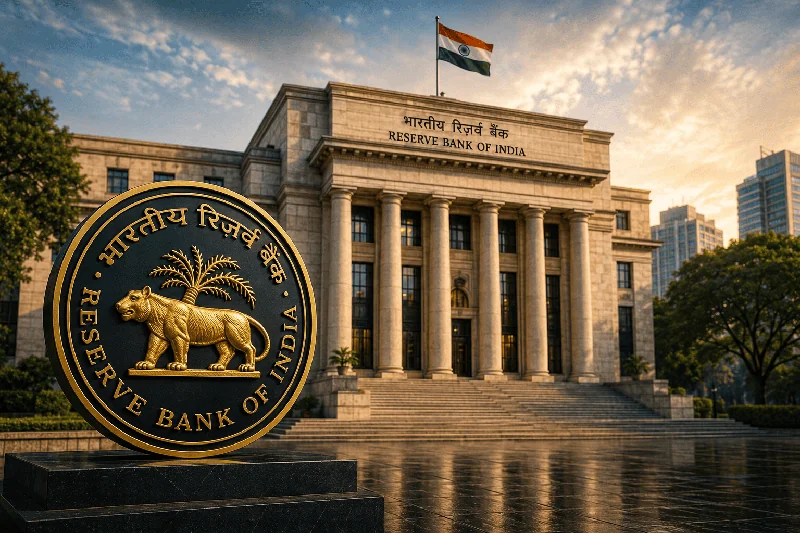
The Reserve Bank of India (RBI) plays a crucial role in managing banking system liquidity. It uses various monetary policy tools, such as the repo rate, reverse repo rate, Cash Reserve Ratio (CRR), and open market operations (OMOs), to inject or absorb liquidity. The RBI's objective is to maintain stability and align liquidity conditions with its broader monetary policy goals, including inflation control and fostering sustainable economic growth.
A sustained liquidity deficit can have several implications for the economy and for retail consumers. Banks may face tighter funding conditions, leading to an increase in their short-term borrowing costs. This, in turn, can potentially influence the interest rates that banks offer on loans for housing, vehicles, personal consumption, and business credit, making borrowing more expensive for retail consumers and enterprises.
The recent shift to a deficit follows a period where the banking system's liquidity surplus had been shrinking. This gradual reduction eventually led to the current state where the available funds within the system are insufficient to meet demands, thus registering a deficit.
While the immediate causes and potential duration of this deficit remain subjects for ongoing observation, its occurrence is a key development for financial market participants and the broader economy. Retail readers should monitor future announcements from financial authorities, as shifts in banking liquidity can indirectly affect their personal finances, particularly regarding borrowing costs and investment opportunities.
This article is for informational purposes only and does not constitute financial advice.
Some listings may be sponsored and Arth Vani may earn a referral fee. All information is for educational purposes only — verify terms and suitability with the provider before acting. Not financial advice.
Frequently Asked Questions
What is the current state of banking system liquidity in India?
The Indian banking system is currently in a liquidity deficit, meaning banks collectively have less ready cash than needed or typically held.
When did the banking system last face a liquidity deficit?
This is the first time the Indian banking system has faced a liquidity deficit since June 29.
What does a 'liquidity deficit' mean for the banking system?
A liquidity deficit indicates that banks have less available funds to meet short-term obligations and lend, which can potentially lead to tighter funding conditions and influence interest rates.
Join the Arth Vani channels
Daily news summaries, IPO & market alerts on Telegram and WhatsApp.
Because you read about Personal Finance
 Breaking
SIP Date Barely Affects Returns: Sensex Data Shows Minimal Impact
A recent analysis by WhiteOak Capital, based on historical Sensex data, reveals that the specific date of a Systematic Investment Plan (SIP) in a mutual fund has a negligible impact on long-term returns. Over a 10-year period, average SIP returns varied by only 0.06 percentage points across different investment dates, dispelling a common investor concern.
Akhilesh Yadav Pledges ₹1 Lakh Monthly Yash Bharti Samman Honorarium If SP Wins UP 2027 Polls
Samajwadi Party chief Akhilesh Yadav has announced that the Yash Bharti Samman award would be reinstated if his party wins the 2027 Uttar Pradesh Assembly elections. He also promised to double the monthly honorarium for award recipients from ₹50,000 to ₹1 lakh.
 Breaking
Google Employee Saves Nearly 90% of ₹3 Crore Salary with ₹18.6 Lakh Annual Expenses
A Google employee earning an annual salary of ₹3 crore demonstrates extreme financial discipline by keeping annual expenses below ₹18.6 lakh. This strategic approach allows the individual to save nearly 90% of their income, highlighting the power of high savings rates for wealth accumulation.
Related Stories
 Breaking
SIP Date Barely Affects Returns: Sensex Data Shows Minimal Impact
A recent analysis by WhiteOak Capital, based on historical Sensex data, reveals that the specific date of a Systematic Investment Plan (SIP) in a mutual fund has a negligible impact on long-term returns. Over a 10-year period, average SIP returns varied by only 0.06 percentage points across different investment dates, dispelling a common investor concern.

Akhilesh Yadav Pledges ₹1 Lakh Monthly Yash Bharti Samman Honorarium If SP Wins UP 2027 Polls
Samajwadi Party chief Akhilesh Yadav has announced that the Yash Bharti Samman award would be reinstated if his party wins the 2027 Uttar Pradesh Assembly elections. He also promised to double the monthly honorarium for award recipients from ₹50,000 to ₹1 lakh.
 Breaking
Google Employee Saves Nearly 90% of ₹3 Crore Salary with ₹18.6 Lakh Annual Expenses
A Google employee earning an annual salary of ₹3 crore demonstrates extreme financial discipline by keeping annual expenses below ₹18.6 lakh. This strategic approach allows the individual to save nearly 90% of their income, highlighting the power of high savings rates for wealth accumulation.
 Breaking
Delhi Police Busts ₹67.78 Lakh Pan-India Investment Scam; 7 Arrested Across 5 States
The Delhi Police has dismantled a major investment fraud syndicate that cheated victims of ₹67.78 lakh through fake high-return schemes. Seven individuals were arrested following a multi-state operation spanning Delhi, Rajasthan, Uttar Pradesh, Haryana, and Gujarat.